
Grape
Research status: AI draft — awaiting expert review


Overview
Grapes are small, juicy fruits that grow in clusters on woody vines. Table grapes are grown for fresh eating and come in green, red, purple, and black varieties, with or without seeds.
Origin & cultivation
Cultivated grapes trace much of their ancestry to western Asia and the Caucasus, though other grape species are native to North America and elsewhere. Major producing countries include China, Italy, Spain, France, Turkey, and the United States; California supplies most U.S. table grapes.
Season
Fresh grapes are generally harvested from summer through autumn, with timing varying by variety and region. Imports make them available year-round; choose plump berries firmly attached to stems, without mold or leaking juice.
Texture & flavor
Grapes have juicy flesh and skins ranging from thin and tender to thick and slightly astringent. Flavors range from crisp and tart to intensely sweet, sometimes with floral or musky notes.
Nutrition
Typical values estimated with AI, not yet checked against lab data. For guidance only.
| Energy | 69 kcal | raw, per 100 g edible portion | FoodPulse AI estimate |
| Protein | 0.72 g | raw, per 100 g edible portion | FoodPulse AI estimate |
| Total fat | 0.16 g | raw, per 100 g edible portion | FoodPulse AI estimate |
| Saturated fat | 0.054 g | raw, per 100 g edible portion | FoodPulse AI estimate |
| Carbohydrate | 18.1 g | raw, per 100 g edible portion | FoodPulse AI estimate |
| Dietary fiber | 0.9 g | raw, per 100 g edible portion | FoodPulse AI estimate |
| Total sugars | 15.48 g | raw, per 100 g edible portion | FoodPulse AI estimate |
| Water | 80.54 g | raw, per 100 g edible portion | FoodPulse AI estimate |
| Calcium | 10 mg | raw, per 100 g edible portion | FoodPulse AI estimate |
| Iron | 0.36 mg | raw, per 100 g edible portion | FoodPulse AI estimate |
| Magnesium | 7 mg | raw, per 100 g edible portion | FoodPulse AI estimate |
| Potassium | 191 mg | raw, per 100 g edible portion | FoodPulse AI estimate |
| Sodium | 2 mg | raw, per 100 g edible portion | FoodPulse AI estimate |
| Zinc | 0.07 mg | raw, per 100 g edible portion | FoodPulse AI estimate |
| Vitamin C | 3.2 mg | raw, per 100 g edible portion | FoodPulse AI estimate |
| Vitamin A (RAE) | 3 µg | raw, per 100 g edible portion | FoodPulse AI estimate |
| Folate | 2 µg | raw, per 100 g edible portion | FoodPulse AI estimate |
| Vitamin B12 | 0 µg | raw, per 100 g edible portion | FoodPulse AI estimate |
| Cholesterol | 0 mg | raw, per 100 g edible portion | FoodPulse AI estimate |
Glycemic index: Not established.
Grapes provide water, carbohydrates, some fiber, and polyphenols, but evidence does not establish that eating them prevents or treats a specific disease. Grape allergy is uncommon but possible, and sulfite-sensitive people should check dried or processed grape products for added sulfites. Whole grapes are a choking hazard for young children; quarter them lengthwise. Educational, not medical advice.
Educational information, not medical advice.
Storage
- Room temperature · 60–75°F (16–24°C) · Preferably only for serving; use whole grapes within 1 day for best quality.. Keep out of sunlight and away from heat. Refrigerate cut grapes within 2 hours, or 1 hour above 90°F (32°C). Discard grapes with mold, slime, leaking decay, or a fermented odor. FoodPulse AI estimate
- Refrigerator · 32–40°F (0–4°C) · About 1 week whole; 3–4 days once cut.. Store whole grapes unwashed in a ventilated bag or container; keep cut grapes covered. Keep separate from raw animal foods and discard moldy, slimy, or fermented-smelling fruit. FoodPulse AI estimate
- Freezer · 0°F (−18°C) or below · 8–12 months for best quality; continuously frozen fruit remains safe longer.. Wash, remove stems, dry thoroughly, and freeze on a tray before transferring to freezer containers. Thawed grapes soften; thaw in the refrigerator for sauces or use frozen in smoothies. Freezing does not make spoiled fruit safe, and whole frozen grapes are a choking hazard. FoodPulse AI estimate
Preparation
Wash grapes under cool running water just before use, gently rubbing them; do not use soap or bleach. Remove stems and damaged berries, then halve or quarter as needed and remove seeds from seeded varieties. Keep grapes and clean cutting equipment separate from raw meat, poultry, seafood, and their juices.
Cooking
Eat grapes raw, freeze them for blending, or cook them into sauces and compotes. Roast at 400°F (205°C) for about 15–25 minutes, depending on size and desired softness. Simmer halved or whole grapes for roughly 10–20 minutes for a compote, stopping when tender and adjusting sweetness to taste.
Recipes
No verified recipes yet.
Waste less
Use sound, slightly wrinkled grapes in roasting, sauces, or smoothies, and freeze surplus before it spoils. Skins are edible and need not be peeled; compost stems and discarded fruit where accepted. If a grape is moldy, discard it and berries directly touching it, inspect the rest carefully, and discard the bunch if mold or decay is widespread.
Food waste tips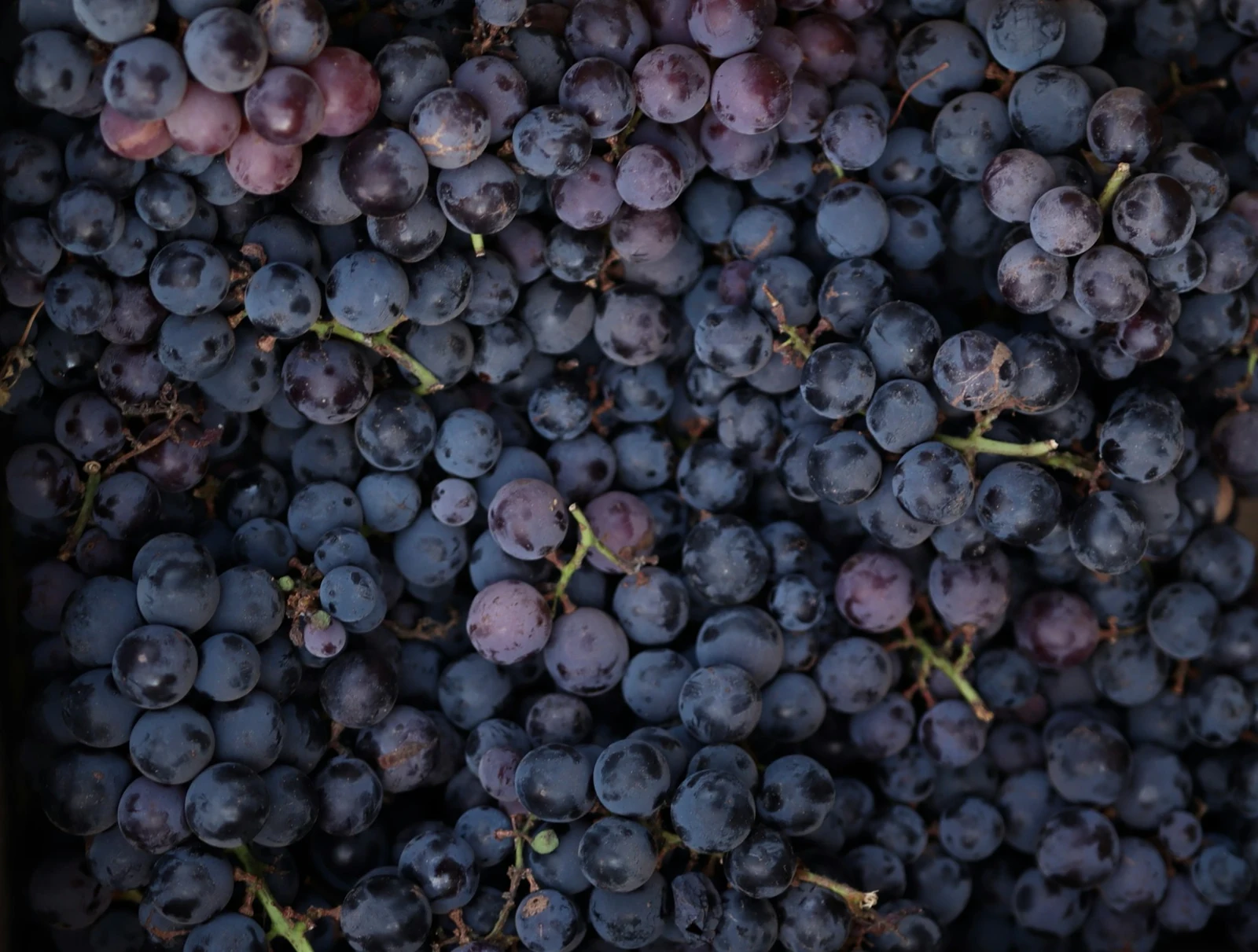 Grapes