
Coconut
Research status: AI draft — awaiting expert review


Overview
Coconut is the fruit of the coconut palm, with a fibrous husk surrounding a hard shell, edible flesh, and coconut water. Young coconuts have soft, spoonable flesh; mature coconuts have thick, firm white flesh used fresh, dried, or pressed into coconut milk.
Origin & cultivation
Coconut palms originated in the tropical Indo-Pacific, although their exact origin is debated because people dispersed them widely. Indonesia, the Philippines, and India are major producers, with cultivation throughout humid tropical coastal regions.
Season
Coconuts grow and are harvested year-round in tropical climates, so imported coconuts and packaged products are generally available throughout the year. Choose mature coconuts that feel heavy and have no cracks, mold, or leaking eyes; a slosh usually indicates water inside.
Texture & flavor
Mature flesh is crisp, chewy, mildly sweet, and rich, while young flesh is tender and jellylike. Toasting develops a nutty aroma and crunch; coconut water tastes lightly sweet, whereas coconut milk is creamy and more concentrated.
Nutrition
Typical values estimated with AI, not yet checked against lab data. For guidance only.
| Energy | 354 kcal | raw, per 100 g edible portion | FoodPulse AI estimate |
| Protein | 3.33 g | raw, per 100 g edible portion | FoodPulse AI estimate |
| Total fat | 33.49 g | raw, per 100 g edible portion | FoodPulse AI estimate |
| Saturated fat | 29.698 g | raw, per 100 g edible portion | FoodPulse AI estimate |
| Carbohydrate | 15.23 g | raw, per 100 g edible portion | FoodPulse AI estimate |
| Dietary fiber | 9 g | raw, per 100 g edible portion | FoodPulse AI estimate |
| Total sugars | 6.23 g | raw, per 100 g edible portion | FoodPulse AI estimate |
| Water | 46.99 g | raw, per 100 g edible portion | FoodPulse AI estimate |
| Calcium | 14 mg | raw, per 100 g edible portion | FoodPulse AI estimate |
| Iron | 2.43 mg | raw, per 100 g edible portion | FoodPulse AI estimate |
| Magnesium | 32 mg | raw, per 100 g edible portion | FoodPulse AI estimate |
| Potassium | 356 mg | raw, per 100 g edible portion | FoodPulse AI estimate |
| Sodium | 20 mg | raw, per 100 g edible portion | FoodPulse AI estimate |
| Zinc | 1.1 mg | raw, per 100 g edible portion | FoodPulse AI estimate |
| Vitamin C | 3.3 mg | raw, per 100 g edible portion | FoodPulse AI estimate |
| Vitamin A (RAE) | 0 µg | raw, per 100 g edible portion | FoodPulse AI estimate |
| Folate | 26 µg | raw, per 100 g edible portion | FoodPulse AI estimate |
| Vitamin B12 | 0 µg | raw, per 100 g edible portion | FoodPulse AI estimate |
| Cholesterol | 0 mg | raw, per 100 g edible portion | FoodPulse AI estimate |
Glycemic index: Not established.
Coconut flesh supplies fiber and minerals but is calorie-dense and high in saturated fat; replacing saturated fats with unsaturated fats can help lower LDL cholesterol. Coconut allergy is possible, though uncommon, and packaged products may contain or contact other allergens, so check labels. Educational, not medical advice.
Educational information, not medical advice.
Storage
- Room temperature · 60–75°F (16–24°C), cool and dry · About 1–2 weeks for an intact mature coconut; follow seller guidance for trimmed young coconuts. Keep away from sunlight and moisture. Discard coconuts with cracks, leaks, or mold at the eyes; after opening, discard flesh or water with mold, sliminess, or sour, fermented, or rancid odors. FoodPulse AI estimate
- Refrigerator · 32–40°F (0–4°C) · 3–4 days for fresh cut flesh, drained water, or homemade coconut milk. Store in clean, covered containers and refrigerate within 2 hours of opening or preparation, or 1 hour above 90°F (32°C). Discard if moldy, slimy, sour-smelling, or unexpectedly fizzy; normal fat separation in coconut milk alone is not spoilage. FoodPulse AI estimate
- Freezer · 0°F (−18°C) or below · About 6 months for best quality. Freeze grated or chopped flesh in airtight portions; leave expansion space when freezing coconut water or milk. Thaw in the refrigerator; milk may separate and need blending. Continuous freezing keeps food safe longer, but does not make spoiled coconut safe. FoodPulse AI estimate
Preparation
Rinse and scrub the shell under running water before opening, and use clean hands and tools. Set a mature coconut securely on a nonslip surface, pierce a soft eye with a suitable clean tool, and drain the water; crack the shell carefully with a hammer rather than striking it with a knife blade. Pry out the flesh carefully, trim away shell fragments, and peel the brown skin only if desired. Keep coconut and its tools separate from raw meat, poultry, seafood, and their juices.
Cooking
Eat the flesh raw, grate it into dishes, or blend it with hot water and strain to make coconut milk. Toast flakes at 325°F (163°C) for about 5–10 minutes, or thicker chips for 10–15 minutes, stirring frequently and checking early because they burn easily. Simmer grated coconut or coconut milk gently in soups and sauces for roughly 5–20 minutes, depending on the recipe; prolonged vigorous boiling can separate the milk.
Recipes
No verified recipes yet.
Waste less
Use sound coconut water in drinks, rice, or soups, and leave the edible brown skin on the flesh to reduce trimming waste. Add strained coconut pulp to porridge or baking, refrigerating promptly or freezing for later use. Compost husks and shells only if your system accepts them; they break down very slowly and benefit from being chopped or shredded.
Food waste tips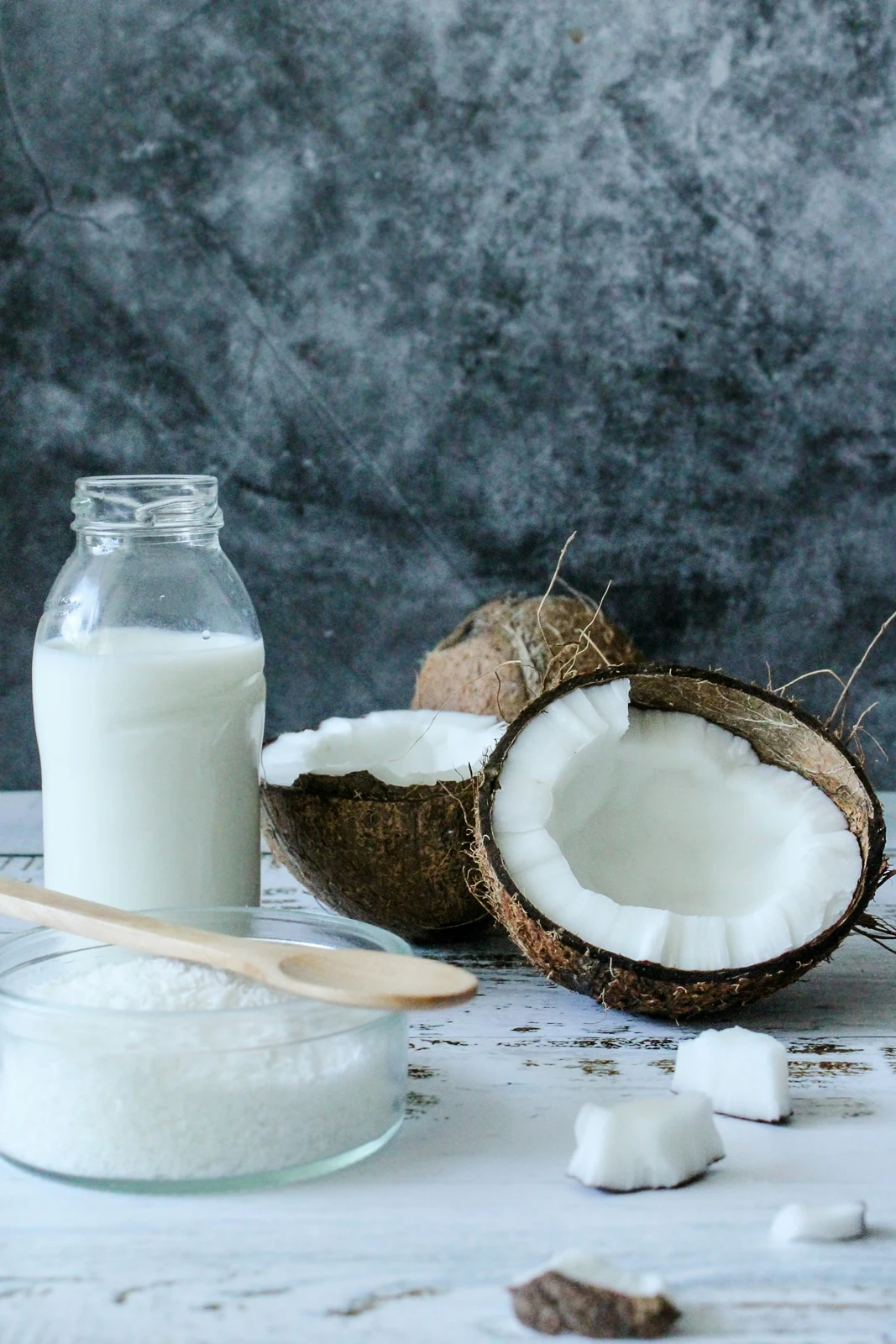 Coconut - Coconut Juice
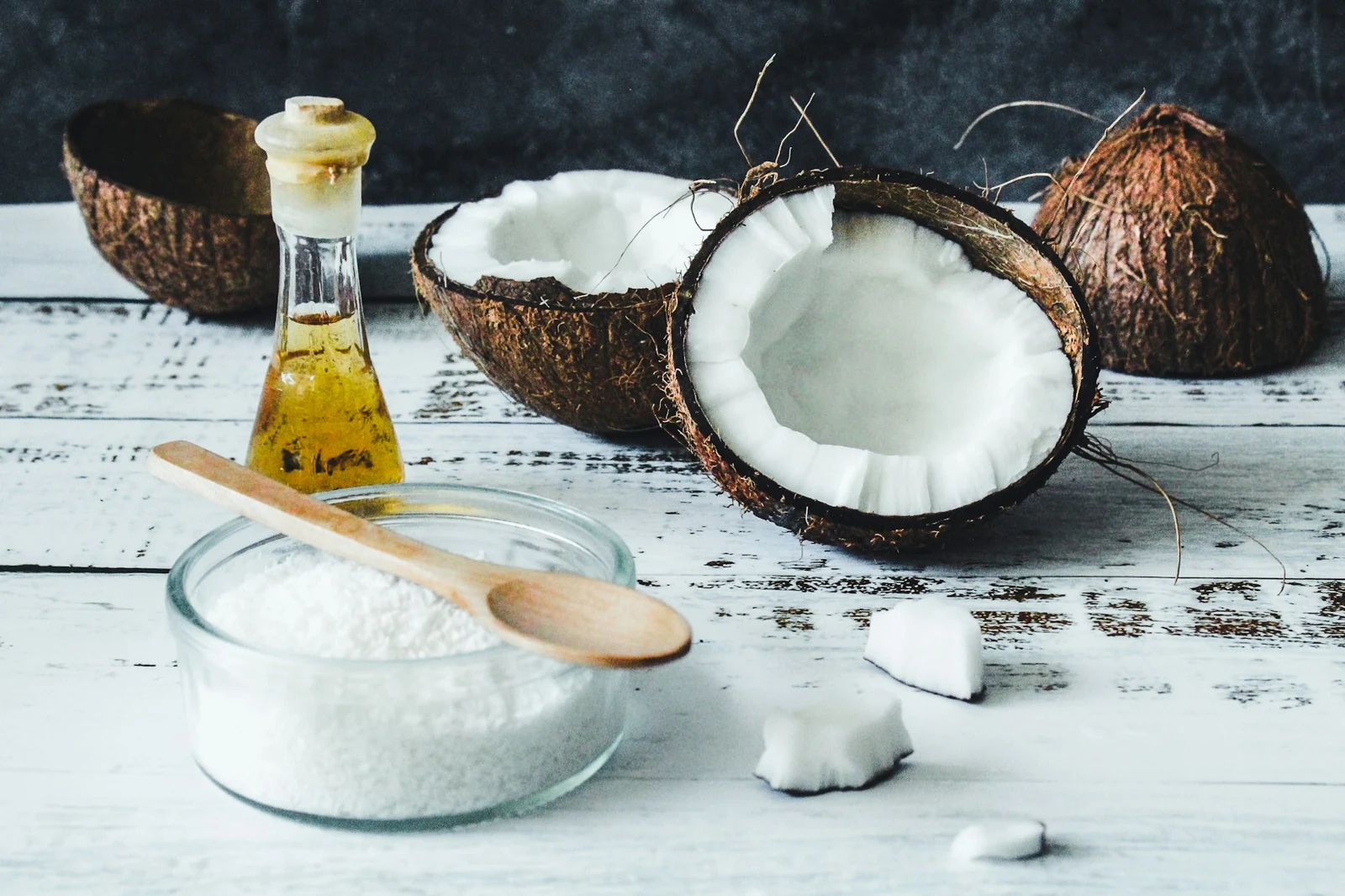 Coconut Oil