
Mint
Research status: AI draft — awaiting expert review


Overview
Mint is a leafy herb in the genus Mentha, commonly sold as spearmint or peppermint. Use it fresh in salads, sauces, drinks and desserts, or dried in teas and spice blends.
Origin & cultivation
Culinary mints trace their origins mainly to Europe, Asia and North Africa, though individual species differ. They are now grown worldwide; India is a major producer of mint for oil, while China, the United States and Mediterranean countries also produce substantial crops.
Season
Mint grows most vigorously from spring through early fall in temperate climates and is available year-round from protected cultivation and imports. Choose fragrant leaves with lively color and avoid bunches that are slimy, moldy or extensively blackened.
Texture & flavor
Fresh leaves are tender, with slightly textured surfaces; older stems can be fibrous. Spearmint tastes sweet and gently cooling, while peppermint has a stronger menthol bite. Dried mint is less bright but useful for warm, savory dishes.
Nutrition
Typical values estimated with AI, not yet checked against lab data. For guidance only.
| Energy | 44 kcal | raw (fresh spearmint); per 100 g edible portion. Total sugars estimated as 0 g., per 100 g edible portion | FoodPulse AI estimate |
| Protein | 3.29 g | raw (fresh spearmint); per 100 g edible portion. Total sugars estimated as 0 g., per 100 g edible portion | FoodPulse AI estimate |
| Total fat | 0.73 g | raw (fresh spearmint); per 100 g edible portion. Total sugars estimated as 0 g., per 100 g edible portion | FoodPulse AI estimate |
| Saturated fat | 0.191 g | raw (fresh spearmint); per 100 g edible portion. Total sugars estimated as 0 g., per 100 g edible portion | FoodPulse AI estimate |
| Carbohydrate | 8.41 g | raw (fresh spearmint); per 100 g edible portion. Total sugars estimated as 0 g., per 100 g edible portion | FoodPulse AI estimate |
| Dietary fiber | 6.8 g | raw (fresh spearmint); per 100 g edible portion. Total sugars estimated as 0 g., per 100 g edible portion | FoodPulse AI estimate |
| Total sugars | 0 g | raw (fresh spearmint); per 100 g edible portion. Total sugars estimated as 0 g., per 100 g edible portion | FoodPulse AI estimate |
| Water | 85.55 g | raw (fresh spearmint); per 100 g edible portion. Total sugars estimated as 0 g., per 100 g edible portion | FoodPulse AI estimate |
| Calcium | 199 mg | raw (fresh spearmint); per 100 g edible portion. Total sugars estimated as 0 g., per 100 g edible portion | FoodPulse AI estimate |
| Iron | 11.87 mg | raw (fresh spearmint); per 100 g edible portion. Total sugars estimated as 0 g., per 100 g edible portion | FoodPulse AI estimate |
| Magnesium | 63 mg | raw (fresh spearmint); per 100 g edible portion. Total sugars estimated as 0 g., per 100 g edible portion | FoodPulse AI estimate |
| Potassium | 458 mg | raw (fresh spearmint); per 100 g edible portion. Total sugars estimated as 0 g., per 100 g edible portion | FoodPulse AI estimate |
| Sodium | 30 mg | raw (fresh spearmint); per 100 g edible portion. Total sugars estimated as 0 g., per 100 g edible portion | FoodPulse AI estimate |
| Zinc | 1.09 mg | raw (fresh spearmint); per 100 g edible portion. Total sugars estimated as 0 g., per 100 g edible portion | FoodPulse AI estimate |
| Vitamin C | 13.3 mg | raw (fresh spearmint); per 100 g edible portion. Total sugars estimated as 0 g., per 100 g edible portion | FoodPulse AI estimate |
| Vitamin A (RAE) | 203 µg | raw (fresh spearmint); per 100 g edible portion. Total sugars estimated as 0 g., per 100 g edible portion | FoodPulse AI estimate |
| Folate | 105 µg | raw (fresh spearmint); per 100 g edible portion. Total sugars estimated as 0 g., per 100 g edible portion | FoodPulse AI estimate |
| Vitamin B12 | 0 µg | raw (fresh spearmint); per 100 g edible portion. Total sugars estimated as 0 g., per 100 g edible portion | FoodPulse AI estimate |
| Cholesterol | 0 mg | raw (fresh spearmint); per 100 g edible portion. Total sugars estimated as 0 g., per 100 g edible portion | FoodPulse AI estimate |
Glycemic index: Not established.
Mint adds flavor without much sodium, but typical garnish portions provide only small amounts of nutrients. Research on specific peppermint-oil preparations does not establish the same benefits for culinary leaves, and peppermint may worsen reflux in some people. Mint allergy is possible; anyone with a known allergy should avoid it. Educational, not medical advice.
Educational information, not medical advice.
Storage
- Room temperature: brief holding · 60–75°F (16–24°C) · A few hours; refrigerate for longer storage. Keep whole sprigs out of sunlight, with cut stem ends in clean water if needed. This is short-term holding, not preservation; discard leaves with mold, slime or an off odor. FoodPulse AI estimate
- Refrigerator · 34–40°F (1–4°C) · About 5–7 days, sometimes up to 10 days when very fresh. Wrap unwashed sprigs loosely in a barely damp paper towel inside a bag or container, or stand stems in clean water with leaves loosely covered. Keep away from raw animal-food drips, change standing water regularly, and discard moldy, slimy or foul-smelling mint. FoodPulse AI estimate
- Freezer · 0°F (−18°C) or below · About 4–6 months for best quality. Wash and dry leaves, then freeze airtight, or chop and freeze in ice-cube trays with water before transferring to freezer containers. Leaves soften after thawing and work best in cooked dishes or drinks; continuously frozen food remains safe beyond the quality window. Discard mint that was spoiled before freezing or became contaminated. FoodPulse AI estimate
- Dried, airtight storage · 50–70°F (10–21°C), away from heat and light · About 6–12 months for best flavor. Following NCHFP herb-drying guidance, dry washed leaves thoroughly in a dehydrator at 95–115°F (35–46°C), up to 125°F (52°C) in humid conditions, until crisp and crumbly. Cool before packing airtight; discard if mold, mustiness or moisture develops. Faded aroma alone indicates quality loss. FoodPulse AI estimate
Preparation
Rinse mint under cool running water just before use, without soap or produce wash, and pat or spin dry. Remove damaged leaves and tough stems, then tear or slice leaves shortly before serving to limit bruising and darkening. Keep mint separate from raw meat, poultry, fish and seafood, and wash hands, knives and boards after handling those foods.
Cooking
Add torn or finely sliced leaves during the final 30 seconds to 2 minutes of cooking, or after removing the dish from the heat, to preserve their aroma. For tea or syrup, steep small sprigs or loose leaves for about 5–10 minutes, tasting earlier for chopped leaves and allowing longer for large intact sprigs. Dried mint can simmer in soups or sauces for 5–15 minutes; start with roughly one-third the volume of fresh mint and adjust.
Recipes
No verified recipes yet.
Waste less
Use tender stems with the leaves in blended sauces, and steep clean, tougher stems in tea or syrup before straining. Freeze surplus leaves in small portions with water, or dry them for later use. Add usable leftover mint to yogurt sauces, grains or salads, and compost plant trimmings where accepted.
Food waste tips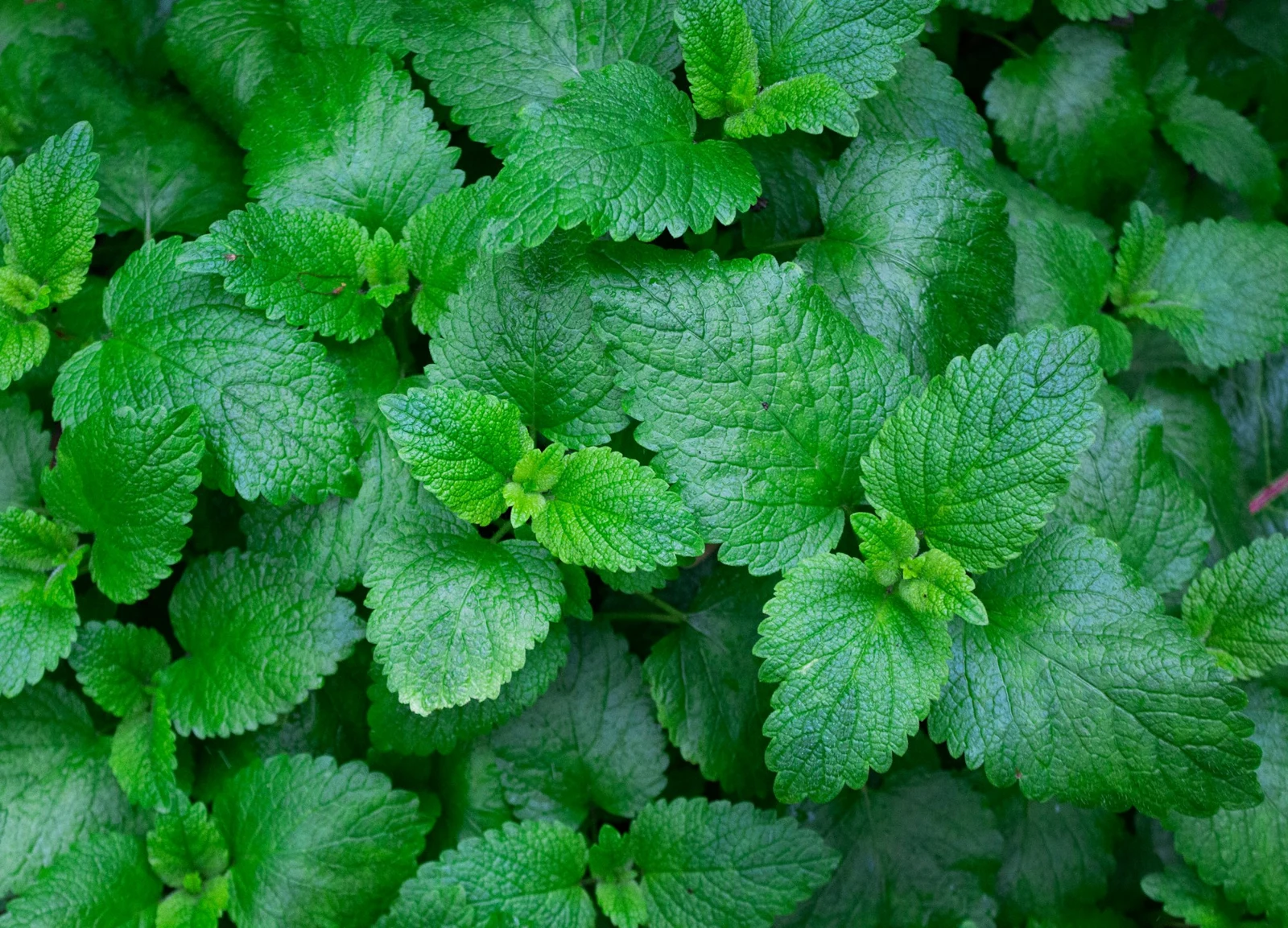 Mint