
Lemon
Research status: AI draft — awaiting expert review


Overview
Lemons are citrus fruits with aromatic yellow peel, acidic juice, and a thick white pith. Their juice and zest brighten savory dishes, baked goods, drinks, and preserves.
Origin & cultivation
Lemons likely originated in Asia, with ancestry linked to citron and bitter orange, and spread through the Middle East to the Mediterranean. Major producing regions include India, Mexico, China, Argentina, Turkey, Spain, and California.
Season
Lemons are available year-round because harvests overlap across growing regions. Many Mediterranean and California crops peak from winter into spring, though timing varies by variety and climate.
Texture & flavor
The flesh is juicy and sharply sour, while the outer yellow zest contains fragrant citrus oils. White pith and seeds are bitter; Meyer lemons are generally sweeter and less acidic than standard lemons.
Nutrition
Typical values estimated with AI, not yet checked against lab data. For guidance only.
| Energy | 29 kcal | raw, without peel, per 100 g edible portion | FoodPulse AI estimate |
| Protein | 1.1 g | raw, without peel, per 100 g edible portion | FoodPulse AI estimate |
| Total fat | 0.3 g | raw, without peel, per 100 g edible portion | FoodPulse AI estimate |
| Saturated fat | 0.039 g | raw, without peel, per 100 g edible portion | FoodPulse AI estimate |
| Carbohydrate | 9.32 g | raw, without peel, per 100 g edible portion | FoodPulse AI estimate |
| Dietary fiber | 2.8 g | raw, without peel, per 100 g edible portion | FoodPulse AI estimate |
| Total sugars | 2.5 g | raw, without peel, per 100 g edible portion | FoodPulse AI estimate |
| Water | 88.98 g | raw, without peel, per 100 g edible portion | FoodPulse AI estimate |
| Calcium | 26 mg | raw, without peel, per 100 g edible portion | FoodPulse AI estimate |
| Iron | 0.6 mg | raw, without peel, per 100 g edible portion | FoodPulse AI estimate |
| Magnesium | 8 mg | raw, without peel, per 100 g edible portion | FoodPulse AI estimate |
| Potassium | 138 mg | raw, without peel, per 100 g edible portion | FoodPulse AI estimate |
| Sodium | 2 mg | raw, without peel, per 100 g edible portion | FoodPulse AI estimate |
| Zinc | 0.06 mg | raw, without peel, per 100 g edible portion | FoodPulse AI estimate |
| Vitamin C | 53 mg | raw, without peel, per 100 g edible portion | FoodPulse AI estimate |
| Vitamin A (RAE) | 1 µg | raw, without peel, per 100 g edible portion | FoodPulse AI estimate |
| Folate | 11 µg | raw, without peel, per 100 g edible portion | FoodPulse AI estimate |
| Vitamin B12 | 0 µg | raw, without peel, per 100 g edible portion | FoodPulse AI estimate |
| Cholesterol | 0 mg | raw, without peel, per 100 g edible portion | FoodPulse AI estimate |
Glycemic index: Not established.
Lemons provide vitamin C, which supports normal immune function and helps the body absorb iron from plant foods; lemon juice is not a detox treatment or cure. Citrus allergy is possible, and acidic juice may aggravate reflux or contribute to tooth-enamel erosion with frequent exposure. Educational, not medical advice.
Educational information, not medical advice.
Storage
- Room temperature, whole · 60–75°F (16–24°C) · About 5–7 days. Keep dry, out of direct sunlight, and away from heat; refrigerate sooner in hot conditions. Discard fruit with mold, leaking flesh, slimy areas, or a fermented odor; mild shriveling alone usually indicates quality loss. FoodPulse AI estimate
- Refrigerator, whole · 34–40°F (1–4°C) · About 3–4 weeks. Store dry in a produce bag in the crisper and check regularly for spoilage. Discard moldy lemons rather than cutting away the mold, and discard fruit that becomes slimy, leaks, or smells fermented. FoodPulse AI estimate
- Refrigerator, cut or freshly squeezed · 34–40°F (1–4°C) · About 3–4 days. Cover cut lemons and keep juice in a clean, sealed container. Refrigerate within 2 hours, or within 1 hour above 90°F (32°C); discard if left out longer, or if mold, slime, unexpected bubbling, or an off odor develops. FoodPulse AI estimate
- Freezer, juice, zest, or slices · 0°F (−18°C) or below · About 3–4 months for best quality; continuously frozen food remains safe longer. Freeze in airtight containers or freezer bags; leave expansion space for juice. Thaw in the refrigerator or add directly to cooking; softened slices and freezer burn are quality changes, but discard anything showing mold or fermentation after thawing. FoodPulse AI estimate
Preparation
Wash under running water, rubbing the peel thoroughly before cutting or zesting; do not use soap or bleach. Zest only the colored outer layer, then halve for juicing or trim the ends and slice into wedges or rounds, removing seeds. Use clean utensils and a separate cutting board from raw meat, poultry, or seafood; lemon juice does not sanitize foods or equipment.
Cooking
Add juice near the end of cooking for a fresh, sharp finish, and use zest in sauces, batters, or dressings. Roast slices or halves at 400°F (204°C) for roughly 15–30 minutes, depending on thickness and size, until softened and lightly browned. Grill halves cut-side down over medium-high heat for about 3–6 minutes, checking for charring.
Recipes
No verified recipes yet.
Waste less
Zest washed lemons before juicing, then freeze the zest and juice separately in small portions. Use leftover wedges promptly in cooking, or turn suitable peel into candied peel or marmalade using a tested recipe if preserving for shelf storage. Compost seeds, spent peel, and spoiled fruit where local composting rules allow.
Food waste tips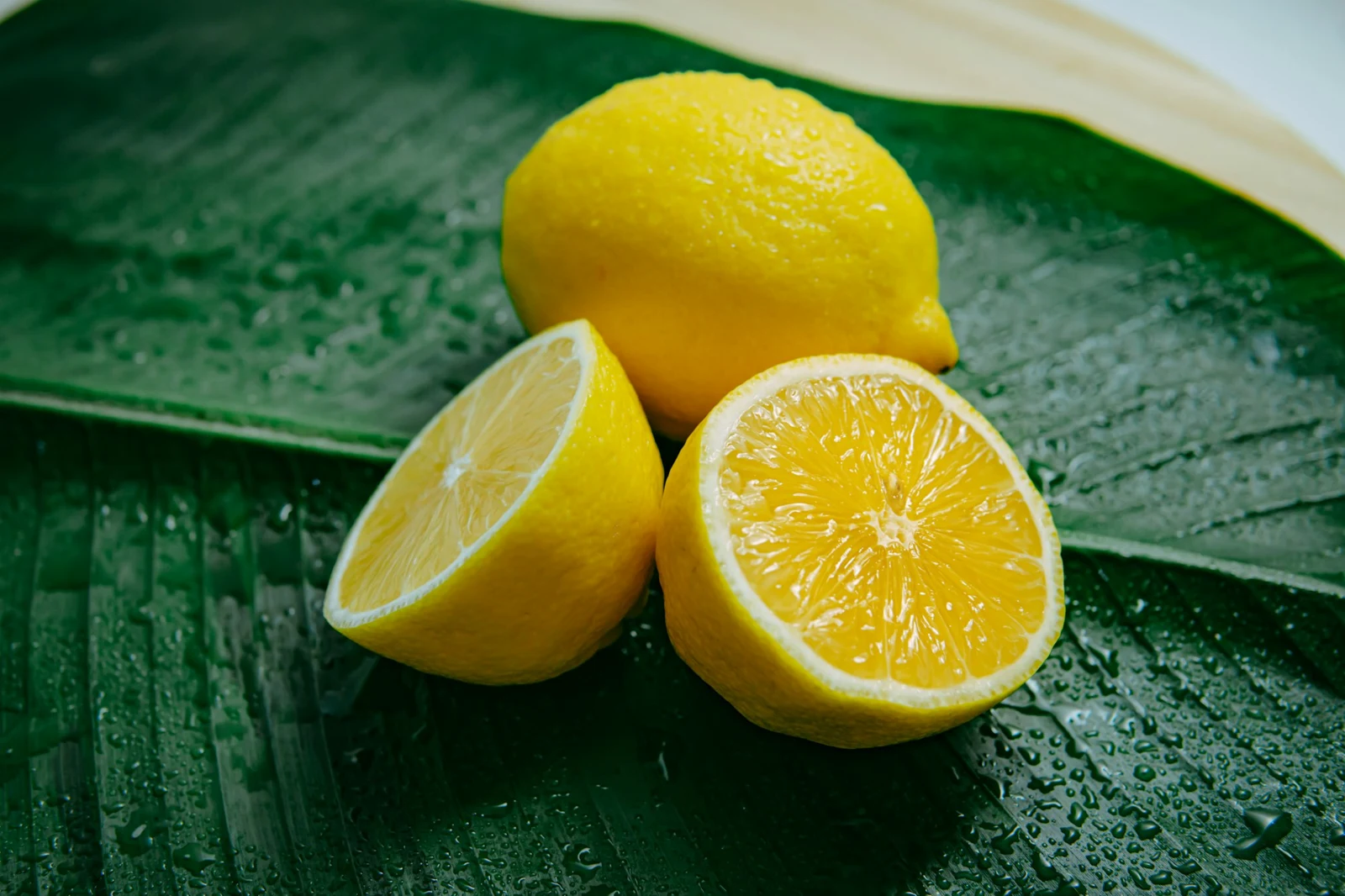 Lemons - Lime