
Cucumber
Research status: AI draft — awaiting expert review


Overview
Cucumber is a water-rich fruit used as a vegetable in salads, sandwiches, pickles, and chilled soups. Slicing varieties are usually larger, while pickling cucumbers are typically smaller and firmer; English and Persian types generally have tender skins and small seeds.
Origin & cultivation
Cucumber originated in South Asia, particularly the Indian subcontinent, and has been cultivated for thousands of years. It now grows worldwide, with China dominating production and substantial crops in Turkey, Russia, Iran, and India.
Season
Outdoor-grown cucumbers peak from summer into early autumn in temperate regions. Greenhouse production and imports make them available year-round; choose firm cucumbers without soft spots, leaking areas, or yellowing.
Texture & flavor
Fresh cucumber is crisp, juicy, and mildly grassy, with a refreshing, slightly sweet flavor. Skins and stem ends can taste more bitter, while large mature seeds may be watery or tough.
Nutrition
Typical values estimated with AI, not yet checked against lab data. For guidance only.
| Energy | 15 kcal | raw, with peel, per 100 g edible portion | FoodPulse AI estimate |
| Protein | 0.65 g | raw, with peel, per 100 g edible portion | FoodPulse AI estimate |
| Total fat | 0.11 g | raw, with peel, per 100 g edible portion | FoodPulse AI estimate |
| Saturated fat | 0.037 g | raw, with peel, per 100 g edible portion | FoodPulse AI estimate |
| Carbohydrate | 3.63 g | raw, with peel, per 100 g edible portion | FoodPulse AI estimate |
| Dietary fiber | 0.5 g | raw, with peel, per 100 g edible portion | FoodPulse AI estimate |
| Total sugars | 1.67 g | raw, with peel, per 100 g edible portion | FoodPulse AI estimate |
| Water | 95.23 g | raw, with peel, per 100 g edible portion | FoodPulse AI estimate |
| Calcium | 16 mg | raw, with peel, per 100 g edible portion | FoodPulse AI estimate |
| Iron | 0.28 mg | raw, with peel, per 100 g edible portion | FoodPulse AI estimate |
| Magnesium | 13 mg | raw, with peel, per 100 g edible portion | FoodPulse AI estimate |
| Potassium | 147 mg | raw, with peel, per 100 g edible portion | FoodPulse AI estimate |
| Sodium | 2 mg | raw, with peel, per 100 g edible portion | FoodPulse AI estimate |
| Zinc | 0.2 mg | raw, with peel, per 100 g edible portion | FoodPulse AI estimate |
| Vitamin C | 2.8 mg | raw, with peel, per 100 g edible portion | FoodPulse AI estimate |
| Vitamin A (RAE) | 5 µg | raw, with peel, per 100 g edible portion | FoodPulse AI estimate |
| Folate | 7 µg | raw, with peel, per 100 g edible portion | FoodPulse AI estimate |
| Vitamin B12 | 0 µg | raw, with peel, per 100 g edible portion | FoodPulse AI estimate |
| Cholesterol | 0 mg | raw, with peel, per 100 g edible portion | FoodPulse AI estimate |
Glycemic index: Not established.
Cucumber contributes water and small amounts of vitamin K and other nutrients, but evidence does not support special detoxifying or disease-curing effects. Cucumber allergy is uncommon, although people with ragweed-related pollen-food allergy syndrome may experience mouth itching after eating it raw. Discard unusually or intensely bitter cucumbers because excessive cucurbitacins can cause illness. Educational, not medical advice.
Educational information, not medical advice.
Storage
- Room temperature · 60–75°F (16–24°C) · Preferably use the same day; up to 1–2 days for whole, sound cucumbers in a cool spot.. Keep away from sunlight and heat; refrigerate for longer holding. Cut cucumber must be refrigerated within 2 hours, or 1 hour above 90°F (32°C). Discard if moldy, slimy, leaking, or foul-smelling. FoodPulse AI estimate
- Refrigerator · 34–40°F (1–4°C) · Whole: about 4–7 days; cut: about 3–4 days.. Keep whole cucumbers dry in a loosely closed bag in the crisper, away from the coldest areas because prolonged cold can cause pitting and water-soaked damage. Cover cut cucumber and keep it separate from raw animal foods. Discard moldy or slimy cucumbers, or those with sour odors or extensive soft, leaking areas. FoodPulse AI estimate
- Freezer · 0°F (−18°C) or below · About 2–3 months for best quality when frozen plain.. Freeze washed, cut cucumber in airtight portions for blended soups or drinks; thawed cucumber becomes soft and is unsuitable for crisp salads. Continuously frozen food remains safe longer, but freezing does not sterilize spoiled produce. Thaw in the refrigerator and discard if slimy or foul-smelling. FoodPulse AI estimate
Preparation
Rinse under running water and rub the surface, using a clean produce brush for firm-skinned cucumbers; do not use soap or bleach. Trim the ends, peel if the skin is tough, and slice, dice, or split lengthwise and scoop out large seeds as needed. Use clean hands, knives, and boards, keeping cucumbers separate from raw meat, poultry, fish, and their juices.
Cooking
Cucumber is usually eaten raw, but it can also be stir-fried, sautéed, or briefly braised. Cook thin slices over medium-high heat for about 2–4 minutes, or braise thicker chunks for roughly 5–10 minutes, stopping when just tender. For shelf-stable pickles, use a tested USDA or NCHFP recipe with its specified vinegar acidity, ingredient proportions, and altitude-adjusted processing time.
Recipes
No verified recipes yet.
Waste less
Keep tender skins and small seeds in salads, soups, or dips rather than removing them. Use sound, slightly softened cucumbers promptly in chilled soup or grated yogurt sauce, and refrigerate leftovers within two hours. Compost suitable trimmings where accepted, but discard moldy, slimy, or intensely bitter cucumbers rather than trying to salvage them.
Food waste tips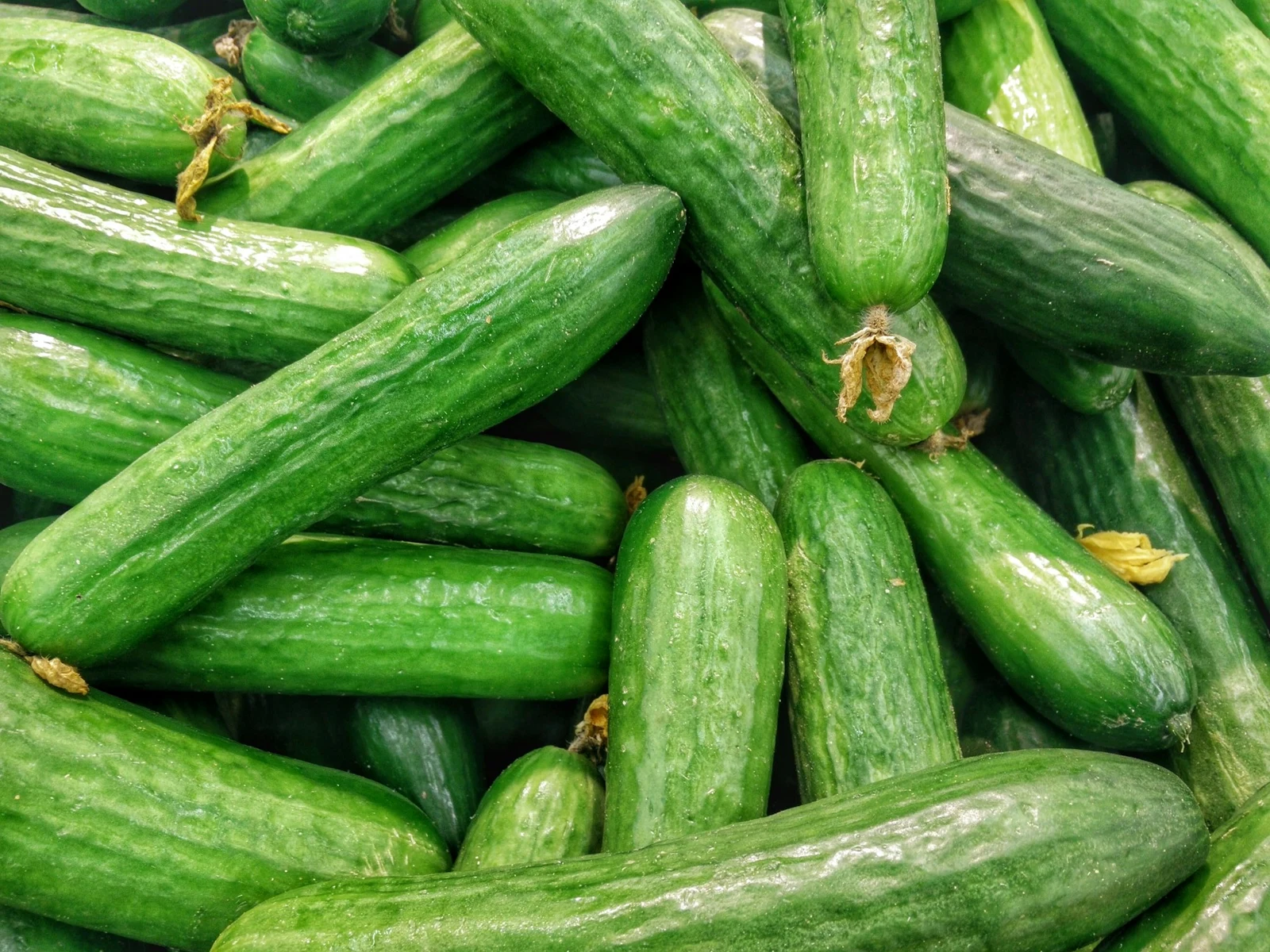 Cucumbers