
Turnip
Research status: AI draft — awaiting expert review


Overview
Turnips (Brassica rapa) are root vegetables with rounded white, cream, or purple-topped roots and edible leafy greens. Small, young turnips are usually milder and more tender than large, mature roots.
Origin & cultivation
Turnips have been cultivated for thousands of years and likely originated in Europe or western Asia, although their precise origin is uncertain. They are grown across temperate regions, including Europe, China and other parts of Asia, and North America.
Season
Turnips are cool-season crops, typically harvested in spring and autumn, with winter harvests in mild climates. Stored roots are often available year-round; freshly harvested small roots and crisp greens are especially good for quick cooking.
Texture & flavor
Raw turnips are crisp and juicy, with a peppery, sometimes slightly bitter flavor. Cooking softens their texture and brings out sweetness, while the greens retain a mustard-like bite.
Nutrition
Typical values estimated with AI, not yet checked against lab data. For guidance only.
| Energy | 28 kcal | raw, per 100 g edible portion | FoodPulse AI estimate |
| Protein | 0.9 g | raw, per 100 g edible portion | FoodPulse AI estimate |
| Total fat | 0.1 g | raw, per 100 g edible portion | FoodPulse AI estimate |
| Saturated fat | 0.011 g | raw, per 100 g edible portion | FoodPulse AI estimate |
| Carbohydrate | 6.43 g | raw, per 100 g edible portion | FoodPulse AI estimate |
| Dietary fiber | 1.8 g | raw, per 100 g edible portion | FoodPulse AI estimate |
| Total sugars | 3.8 g | raw, per 100 g edible portion | FoodPulse AI estimate |
| Water | 91.87 g | raw, per 100 g edible portion | FoodPulse AI estimate |
| Calcium | 30 mg | raw, per 100 g edible portion | FoodPulse AI estimate |
| Iron | 0.3 mg | raw, per 100 g edible portion | FoodPulse AI estimate |
| Magnesium | 11 mg | raw, per 100 g edible portion | FoodPulse AI estimate |
| Potassium | 191 mg | raw, per 100 g edible portion | FoodPulse AI estimate |
| Sodium | 67 mg | raw, per 100 g edible portion | FoodPulse AI estimate |
| Zinc | 0.27 mg | raw, per 100 g edible portion | FoodPulse AI estimate |
| Vitamin C | 21 mg | raw, per 100 g edible portion | FoodPulse AI estimate |
| Vitamin A (RAE) | 0 µg | raw, per 100 g edible portion | FoodPulse AI estimate |
| Folate | 15 µg | raw, per 100 g edible portion | FoodPulse AI estimate |
| Vitamin B12 | 0 µg | raw, per 100 g edible portion | FoodPulse AI estimate |
| Cholesterol | 0 mg | raw, per 100 g edible portion | FoodPulse AI estimate |
Glycemic index: Not established.
Turnip roots provide vitamin C and fiber, while the greens also supply vitamin K and carotenoids; nutrient levels vary with portion and preparation. Turnip allergy is uncommon but possible, and people taking warfarin should keep vitamin K intake consistent rather than abruptly changing their greens intake. Educational, not medical advice.
Educational information, not medical advice.
Storage
- Room temperature · 60–70°F (16–21°C), ideally cool and shaded · 1–2 days for whole, uncut roots. Remove greens and keep roots dry; refrigeration preserves quality better. Discard roots with mold, slime, foul odors, or soft, wet decay; refrigerate cut turnips within two hours. FoodPulse AI estimate
- Refrigerator · 32–40°F (0–4°C) · Roots: about 2–3 weeks; greens: 3–5 days; cooked turnips: 3–4 days. Store unwashed roots and separated greens in bags in the crisper; keep cooked turnips in covered containers. Discard moldy, slimy, or rotting produce, and discard cooked leftovers beyond the recommended period even if they smell normal. FoodPulse AI estimate
- Freezer · 0°F (−18°C) or below · 8–12 months for best quality. Following NCHFP guidance, wash, peel, and cut roots into ½-inch cubes; water-blanch for 2 minutes, cool promptly in ice water, drain, and pack in freezer containers. Continuously frozen food remains safe beyond this quality window; discard thawed turnips held above 40°F (4°C) for more than two hours. FoodPulse AI estimate
Preparation
Separate greens from roots, trim damaged areas and root tips, and scrub roots under running water; rinse greens thoroughly to remove grit. Thin-skinned young roots need not be peeled, but peel thick or tough skins, then slice or cube evenly. Keep produce and its utensils separate from raw meat, poultry, and seafood, and wash hands and equipment after handling animal foods.
Cooking
Boil or steam ½–1-inch cubes for about 10–20 minutes, until easily pierced; larger pieces take longer. Roast 1-inch chunks with a little oil at 400–425°F (204–218°C) for roughly 25–40 minutes, turning once. Sauté thin slices for about 8–15 minutes, or cook chopped greens for 5–15 minutes depending on maturity and desired tenderness.
Recipes
No verified recipes yet.
Waste less
Use tender greens and finely chopped tender stems in soups, sautés, or pesto that is promptly refrigerated or frozen. Mash leftover cooked roots, add them to soup, or crisp them in a skillet; refrigerate within two hours and use within 3–4 days. Save clean trimmings sparingly for stock, since they can taste bitter, and compost unsuitable plant scraps.
Food waste tips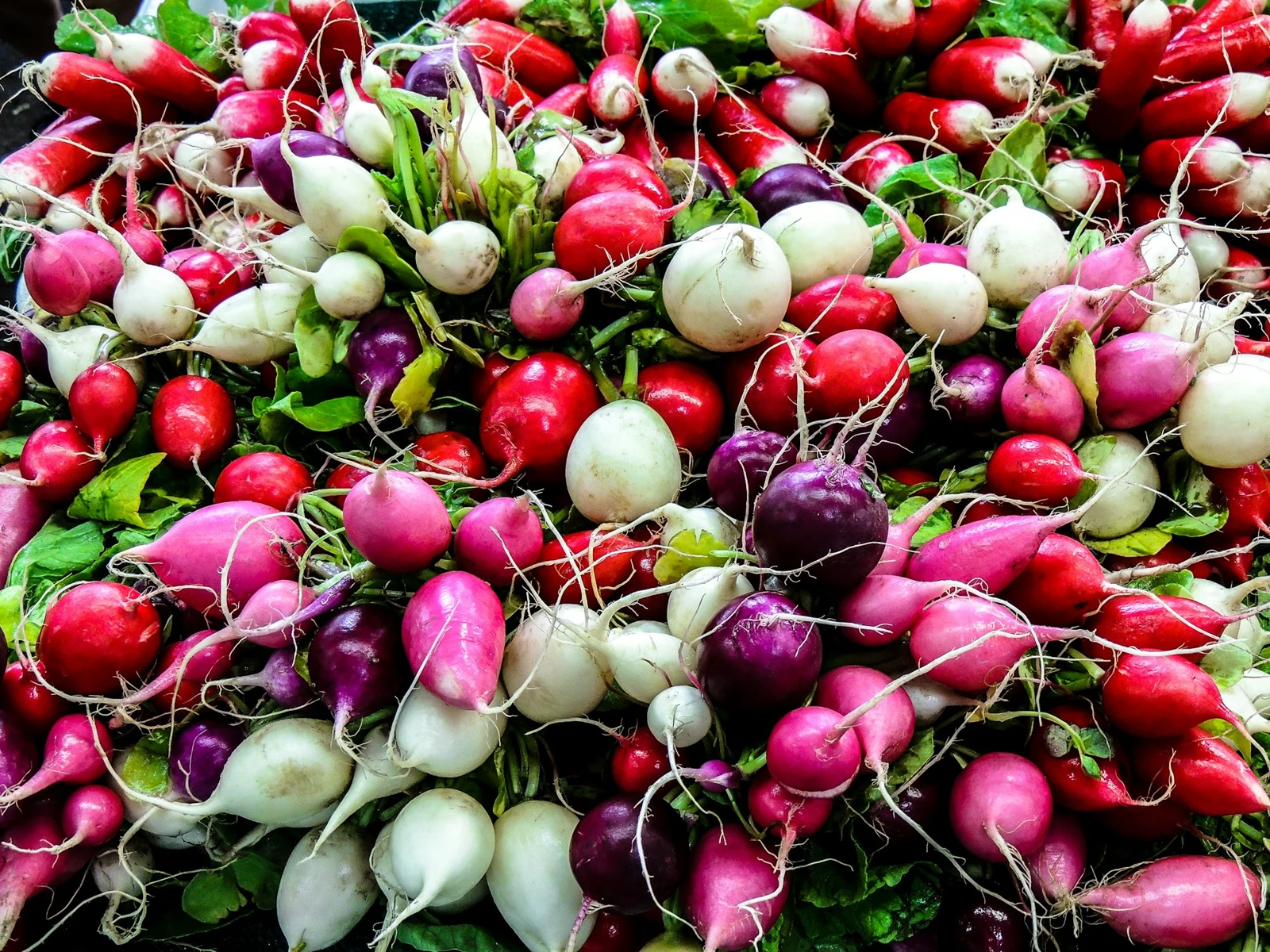 Turnips