
Crab
Research status: AI draft — awaiting expert review


Overview
Crabs are hard-shelled crustaceans eaten mainly for the meat in their claws, legs, and bodies. Common market varieties include blue, Dungeness, snow, king, and brown crab; they are sold live, cooked whole, as clusters, or as picked meat.
Origin & cultivation
Edible crabs come from coastal waters, estuaries, and continental shelves worldwide, with some freshwater species also farmed. Major producing regions include China and Southeast Asia, Alaska and the North Pacific, Atlantic Canada, the U.S. Atlantic and Gulf coasts, and northern Europe.
Season
Fresh availability depends on species, location, fishing regulations, and annual closures. Blue crab is often most plentiful in warmer months, while many Dungeness fisheries open in late fall or winter; frozen crab is available year-round.
Texture & flavor
Crab meat is mildly sweet and briny, with tender flakes and firmer, more fibrous claw meat. Body meat is often delicate, while brown meat from some species is richer and more strongly flavored; overcooking makes the meat dry or rubbery.
Nutrition
Typical values estimated with AI, not yet checked against lab data. For guidance only.
| Energy | 87 kcal | raw, per 100 g edible portion | FoodPulse AI estimate |
| Protein | 18.06 g | raw, per 100 g edible portion | FoodPulse AI estimate |
| Total fat | 1.08 g | raw, per 100 g edible portion | FoodPulse AI estimate |
| Saturated fat | 0.222 g | raw, per 100 g edible portion | FoodPulse AI estimate |
| Carbohydrate | 0 g | raw, per 100 g edible portion | FoodPulse AI estimate |
| Dietary fiber | 0 g | raw, per 100 g edible portion | FoodPulse AI estimate |
| Total sugars | 0 g | raw, per 100 g edible portion | FoodPulse AI estimate |
| Water | 79.02 g | raw, per 100 g edible portion | FoodPulse AI estimate |
| Calcium | 89 mg | raw, per 100 g edible portion | FoodPulse AI estimate |
| Iron | 0.74 mg | raw, per 100 g edible portion | FoodPulse AI estimate |
| Magnesium | 34 mg | raw, per 100 g edible portion | FoodPulse AI estimate |
| Potassium | 329 mg | raw, per 100 g edible portion | FoodPulse AI estimate |
| Sodium | 293 mg | raw, per 100 g edible portion | FoodPulse AI estimate |
| Zinc | 3.54 mg | raw, per 100 g edible portion | FoodPulse AI estimate |
| Vitamin C | 3 mg | raw, per 100 g edible portion | FoodPulse AI estimate |
| Vitamin A (RAE) | 2 µg | raw, per 100 g edible portion | FoodPulse AI estimate |
| Folate | 44 µg | raw, per 100 g edible portion | FoodPulse AI estimate |
| Vitamin B12 | 9 µg | raw, per 100 g edible portion | FoodPulse AI estimate |
| Cholesterol | 78 mg | raw, per 100 g edible portion | FoodPulse AI estimate |
Glycemic index: Not applicable / not meaningful (very little carbohydrate).
Crab supplies protein, vitamin B12, selenium, and varying amounts of omega-3 fats; sodium can be substantial in brined or processed products. Crab is a crustacean shellfish allergen, and local advisories may restrict consumption of particular species or internal organs because of contaminants or marine toxins. Pregnant people, older adults, and people with weakened immunity should avoid raw or undercooked crab. Educational, not medical advice.
Educational information, not medical advice.
Storage
- Room temperature · Above 40°F to 90°F (4–32°C); hotter conditions shorten the limit · No more than 2 hours total out of refrigeration, or 1 hour above 90°F (32°C). These are handling limits, not recommended storage conditions. Discard perishable crab left out longer, even if it smells normal; reheating does not reliably make temperature-abused food safe. FoodPulse AI estimate
- Refrigerator · 32–40°F (0–4°C) · Raw crab meat: 1–2 days; cooked crab: 3–4 days; live crab: cook the day purchased whenever possible. Keep raw crab covered on a tray below ready-to-eat foods and refrigerate cooked crab promptly in shallow containers. Hold live crab in a breathable container under damp paper, never submerged in fresh water or sealed airtight; discard crabs that die before cooking when the time of death is unknown. Discard meat with sour or ammonia-like odors, slime, or mold, but do not use smell alone to judge safety. FoodPulse AI estimate
- Freezer · 0°F (-18°C) or below · Cooked, picked crab meat: about 2–3 months for best quality. For home freezing, cook whole crab first, pick the meat, chill promptly, and package airtight using a suitable NCHFP freezing method. Food kept continuously frozen remains safe longer, though quality declines; freezer burn alone is not a safety hazard. Thaw in the refrigerator, and discard thawed crab with spoilage signs or an unsafe temperature history. FoodPulse AI estimate
Preparation
For whole crab, briefly scrub the shell under cold running water only if needed to remove debris, keeping splashes away from ready-to-eat foods; do not wash picked meat. Before or after cooking, depending on the recipe, remove the top shell, gills, mouthparts, and internal organs, then split the body and crack the claws. Pick through the meat for shell fragments, and wash hands, tools, boards, and sinks after handling raw crab.
Cooking
Steam, boil, bake, or gently sauté crab, first checking whether it is raw or already cooked. As rough guides, whole raw crabs weighing about 1–2 pounds often need 12–20 minutes of boiling after the water returns to a boil, while thawed, precooked leg clusters may need only 5–10 minutes of steaming to warm through. Follow USDA guidance by cooking raw seafood to an internal temperature of 145°F (63°C), checking the thickest accessible meat away from shell; crab flesh should be pearly and opaque. Reheat cooked leftovers to 165°F (74°C).
Recipes
No verified recipes yet.
Waste less
Pick meat from the body joints as well as the claws and legs, and simmer clean shells promptly for stock, then strain thoroughly and chill quickly. Use refrigerated leftover meat in soups, omelets, or crab cakes within 3–4 days of cooking, or freeze it sooner. Put shells and scraps in municipal compost only where seafood is accepted; avoid ordinary backyard compost because they can attract pests.
Food waste tips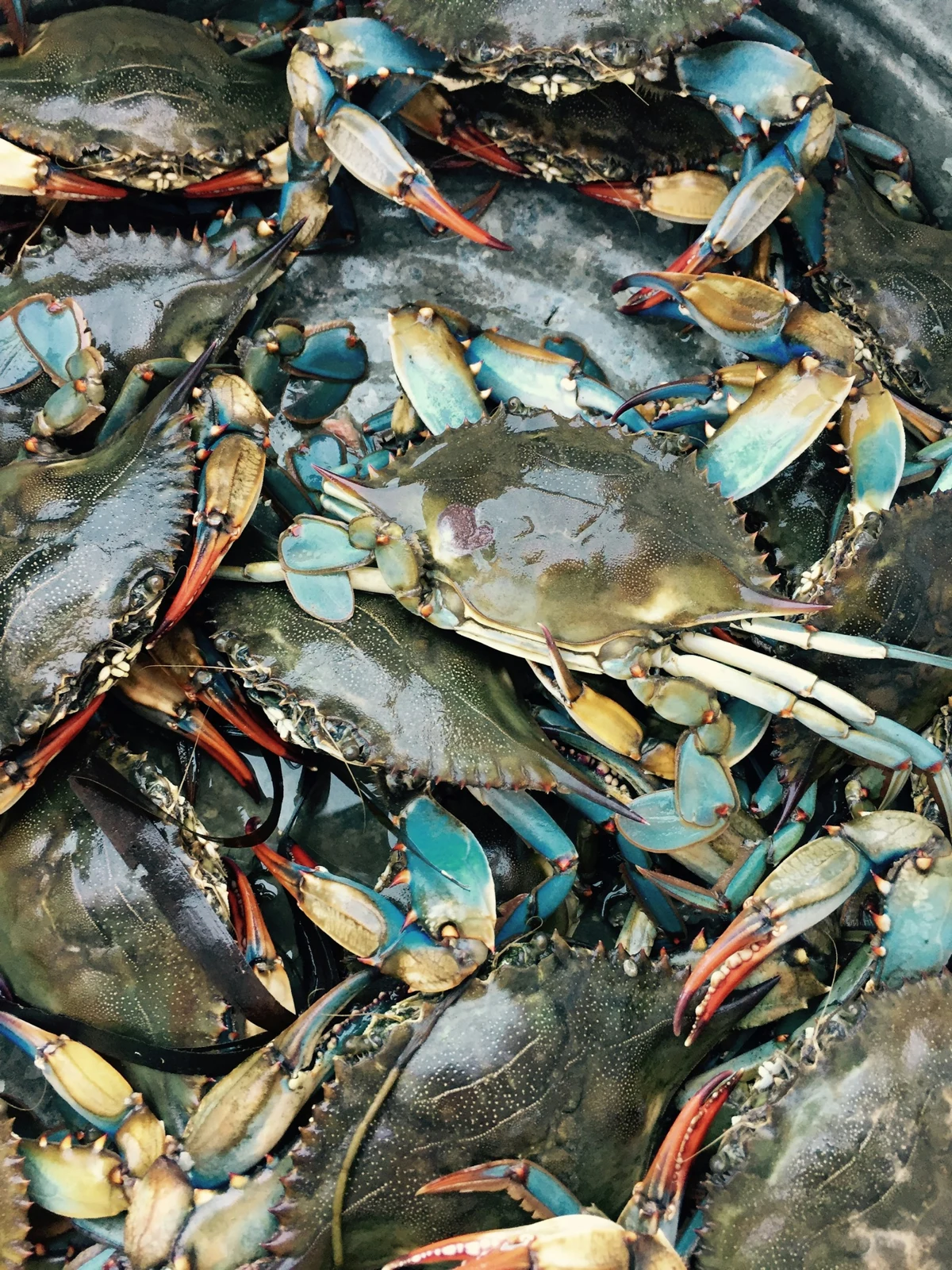 Crabs