
Chicken
Research status: AI draft — awaiting expert review


Overview
Chicken is domesticated poultry sold whole or as breasts, thighs, drumsticks, wings, and ground meat. Breast is lean white meat; legs and thighs are darker and generally more forgiving to cook.
Origin & cultivation
Domestic chickens descend primarily from red junglefowl of South and Southeast Asia. They are now raised worldwide, with the United States, China, and Brazil among the leading meat producers.
Season
Fresh and frozen chicken are available year-round, with no strong retail season. Locally pasture-raised birds may be more available during warmer months.
Texture & flavor
Chicken has a mild, savory flavor that suits many seasonings. Breast is tender when just cooked but dries out easily; thighs and legs have a richer flavor and firmer texture, while skin becomes crisp with dry heat.
Nutrition
Typical values estimated with AI, not yet checked against lab data. For guidance only.
| Energy | 215 kcal | raw, meat and skin, excluding bones, per 100 g edible portion | FoodPulse AI estimate |
| Protein | 18.6 g | raw, meat and skin, excluding bones, per 100 g edible portion | FoodPulse AI estimate |
| Total fat | 15.06 g | raw, meat and skin, excluding bones, per 100 g edible portion | FoodPulse AI estimate |
| Saturated fat | 4.31 g | raw, meat and skin, excluding bones, per 100 g edible portion | FoodPulse AI estimate |
| Carbohydrate | 0 g | raw, meat and skin, excluding bones, per 100 g edible portion | FoodPulse AI estimate |
| Dietary fiber | 0 g | raw, meat and skin, excluding bones, per 100 g edible portion | FoodPulse AI estimate |
| Total sugars | 0 g | raw, meat and skin, excluding bones, per 100 g edible portion | FoodPulse AI estimate |
| Water | 66 g | raw, meat and skin, excluding bones, per 100 g edible portion | FoodPulse AI estimate |
| Calcium | 11 mg | raw, meat and skin, excluding bones, per 100 g edible portion | FoodPulse AI estimate |
| Iron | 0.9 mg | raw, meat and skin, excluding bones, per 100 g edible portion | FoodPulse AI estimate |
| Magnesium | 20 mg | raw, meat and skin, excluding bones, per 100 g edible portion | FoodPulse AI estimate |
| Potassium | 189 mg | raw, meat and skin, excluding bones, per 100 g edible portion | FoodPulse AI estimate |
| Sodium | 70 mg | raw, meat and skin, excluding bones, per 100 g edible portion | FoodPulse AI estimate |
| Zinc | 1.31 mg | raw, meat and skin, excluding bones, per 100 g edible portion | FoodPulse AI estimate |
| Vitamin C | 1.6 mg | raw, meat and skin, excluding bones, per 100 g edible portion | FoodPulse AI estimate |
| Vitamin A (RAE) | 41 µg | raw, meat and skin, excluding bones, per 100 g edible portion | FoodPulse AI estimate |
| Folate | 6 µg | raw, meat and skin, excluding bones, per 100 g edible portion | FoodPulse AI estimate |
| Vitamin B12 | 0.31 µg | raw, meat and skin, excluding bones, per 100 g edible portion | FoodPulse AI estimate |
| Cholesterol | 75 mg | raw, meat and skin, excluding bones, per 100 g edible portion | FoodPulse AI estimate |
Glycemic index: Not applicable / not meaningful (very little carbohydrate).
Chicken provides protein, B vitamins, and selenium; skinless cuts generally contain less saturated fat than skin-on cuts. Raw chicken can carry Salmonella and Campylobacter, making careful handling and thorough cooking important. Chicken allergy is possible, and breaded, marinated, or processed products may contain allergens such as wheat, milk, egg, or soy. Educational, not medical advice.
Educational information, not medical advice.
Storage
- Room temperature — preparation or serving only · Above 40°F to 90°F (4–32°C); hotter conditions shorten the limit · No more than 2 hours total out of temperature control, or 1 hour above 90°F (32°C). Applies to raw and cooked chicken; room temperature is not suitable for storage or thawing. Discard after these limits even if it smells normal, and never taste it to check safety. FoodPulse AI estimate
- Refrigerator · 32–40°F (0–4°C) · Raw chicken and giblets: 1–2 days; cooked chicken: 3–4 days. Keep raw chicken sealed on a low shelf to contain leaks; refrigerate cooked chicken promptly in shallow containers. Discard chicken with an off odor, sticky or slimy texture, or mold, but do not rely on appearance or smell to prove safety. FoodPulse AI estimate
- Freezer · 0°F (−18°C) or colder · Best quality: whole raw chicken 1 year; raw pieces 9 months; ground chicken or giblets 3–4 months; cooked chicken about 4 months. Continuously frozen chicken remains safe indefinitely, though quality declines; freezer burn alone is not a safety hazard. Wrap airtight and thaw in the refrigerator, in leakproof packaging under cold water changed every 30 minutes, or in the microwave; cook immediately after cold-water or microwave thawing. Discard chicken known to have been above 40°F (4°C) for more than 2 hours. FoodPulse AI estimate
Preparation
Do not wash raw chicken: splashing can spread bacteria around the kitchen. Remove packaging and giblets, trim excess fat if desired, and cut at joints with a sharp knife or poultry shears. Keep raw chicken and its juices away from ready-to-eat foods, use separate cutting equipment, and wash hands with soap for 20 seconds before and after handling. Clean utensils and surfaces thoroughly, sanitize as appropriate, and marinate only in the refrigerator.
Cooking
Roast, grill, sauté, braise, or poach chicken; at 375°F (190°C), thawed boneless breasts commonly take about 20–35 minutes, bone-in pieces 35–55 minutes, and a whole 3–4 lb bird roughly 75–100 minutes, depending on thickness and equipment. USDA's safe minimum internal temperature is 165°F (74°C) for all chicken, including ground chicken, giblets, and stuffing; reheat leftovers to 165°F as well. Check pieces in the thickest part without touching bone, and whole birds in the thickest breast and innermost thigh and wing; time and color alone are unreliable.
Recipes
Kerala-Inspired Coconut Chicken with Ginger and Green Beans · 40 min · serves 4
An original home-style chicken curry with coconut milk, curry leaves, black pepper, and crisp-tender green beans.
Ingredients
- 600 g boneless, skinless chicken thighs, cut into 3 cm pieces
- 200 g green beans, trimmed and halved
- 1 tablespoon coconut oil
- 1 teaspoon black mustard seeds
- 12 fresh curry leaves
- 1 medium onion, thinly sliced
- 4 garlic cloves, minced
- 1 tablespoon finely grated fresh ginger
- 1 green chili, slit lengthwise
- 1 teaspoon ground coriander
- 1/2 teaspoon ground turmeric
- 3/4 teaspoon freshly ground black pepper
- 1 teaspoon fine salt, plus more to taste
- 400 ml unsweetened coconut milk
- 100 ml water
- 1 tablespoon lime juice
Steps
- Pat the chicken dry with paper towels; do not rinse it. Toss with the turmeric, black pepper, and 1/2 teaspoon salt.
- Heat the coconut oil in a wide, deep skillet over medium heat. Add the mustard seeds and let them begin popping, about 30 seconds. Carefully add the curry leaves, which may splutter.
- Add the onion and cook for 6–8 minutes until softened and lightly golden. Stir in the garlic, ginger, green chili, and coriander; cook for 1 minute.
- Add the chicken and cook for 4 minutes, stirring to coat it in the onion mixture.
- Pour in the coconut milk and water, then add the remaining 1/2 teaspoon salt. Bring to a gentle simmer, partially cover, and cook for 10 minutes.
- Add the green beans and simmer uncovered for 6–8 minutes, until the beans are tender and the chicken reaches 74°C/165°F in the center of its thickest pieces.
- Remove from the heat, stir in the lime juice, and taste for salt. Remove the whole chili if desired before serving.
Safety: Check several thick chicken pieces with a food thermometer for a minimum internal temperature of 74°C/165°F. This recipe contains mustard and coconut; check suitability for anyone with allergies. Refrigerate leftovers in shallow containers within 2 hours, or within 1 hour above 32°C/90°F. Keep at 4°C/40°F or below, use within 3–4 days, and reheat to 74°C/165°F.
Recipe written with AI by FoodPulse — check it before cooking.
Waste less
Use the carcass, bones, and neck for stock, then cool stock promptly in shallow containers and refrigerate or freeze. Turn safely stored cooked meat into soups, salads, or sandwiches within its storage window. Keep chicken, bones, and fat out of ordinary backyard compost; use a municipal organics service only if it explicitly accepts them.
Food waste tips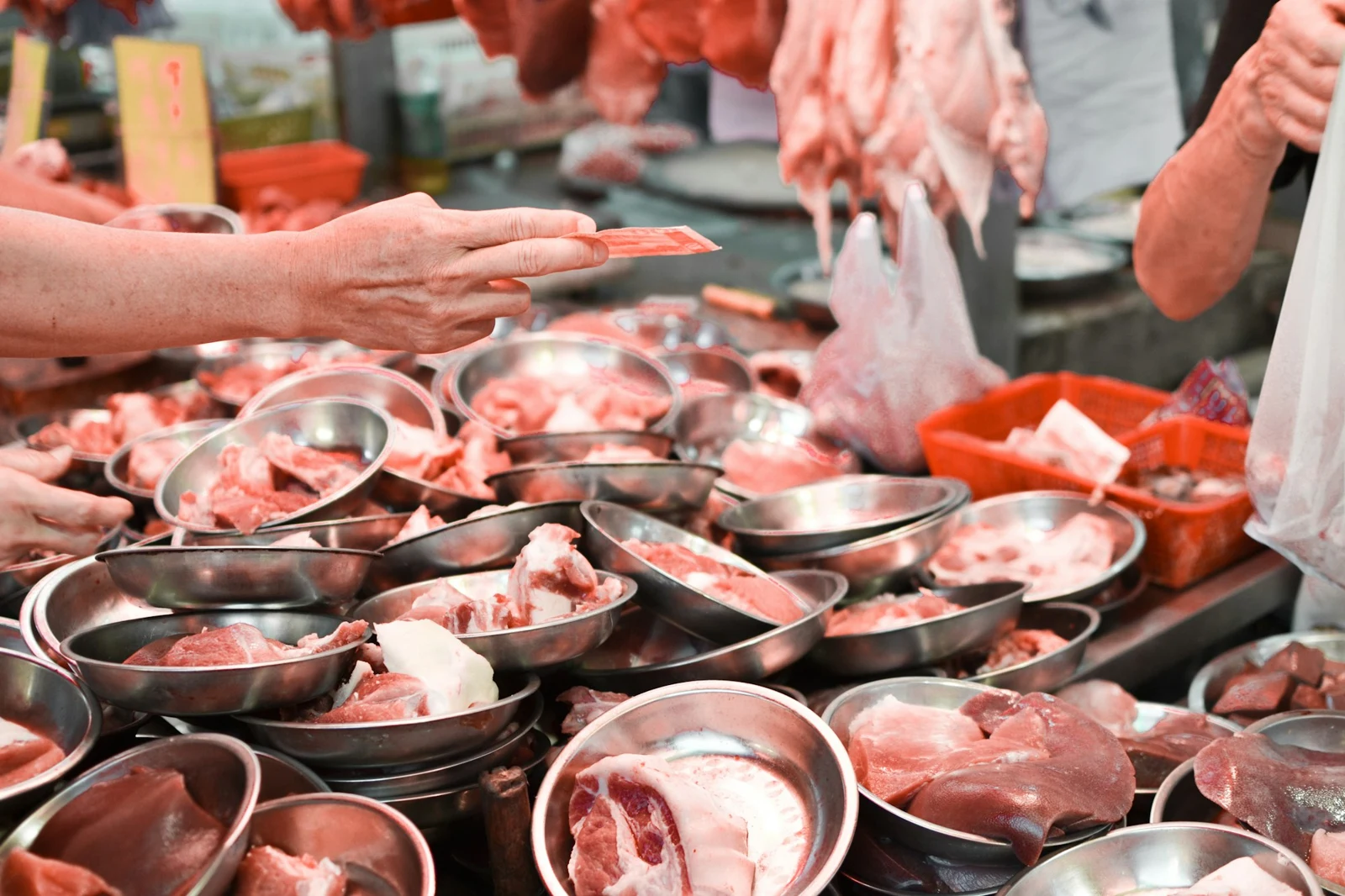 Chicken - Poultry
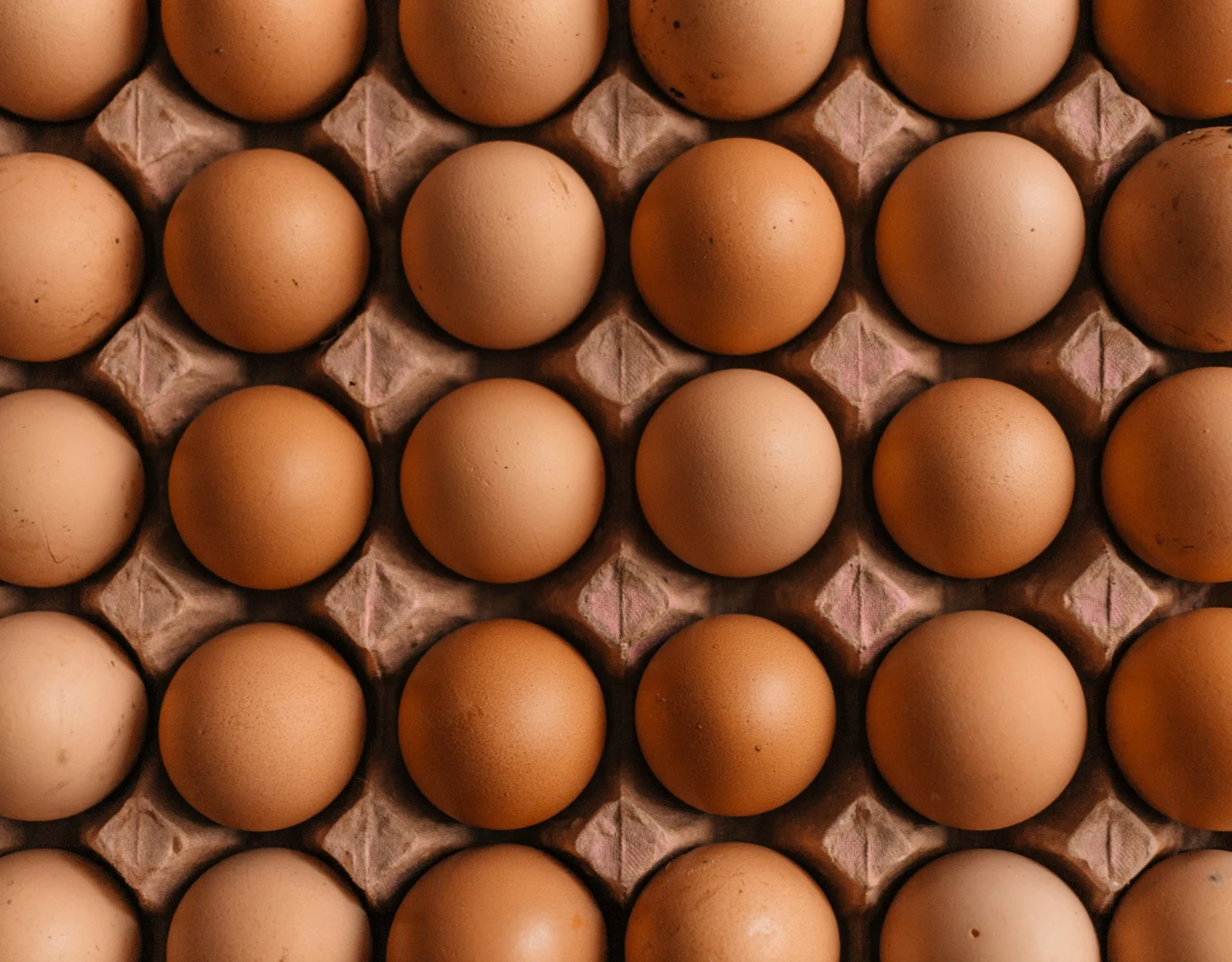 Chicken Eggs
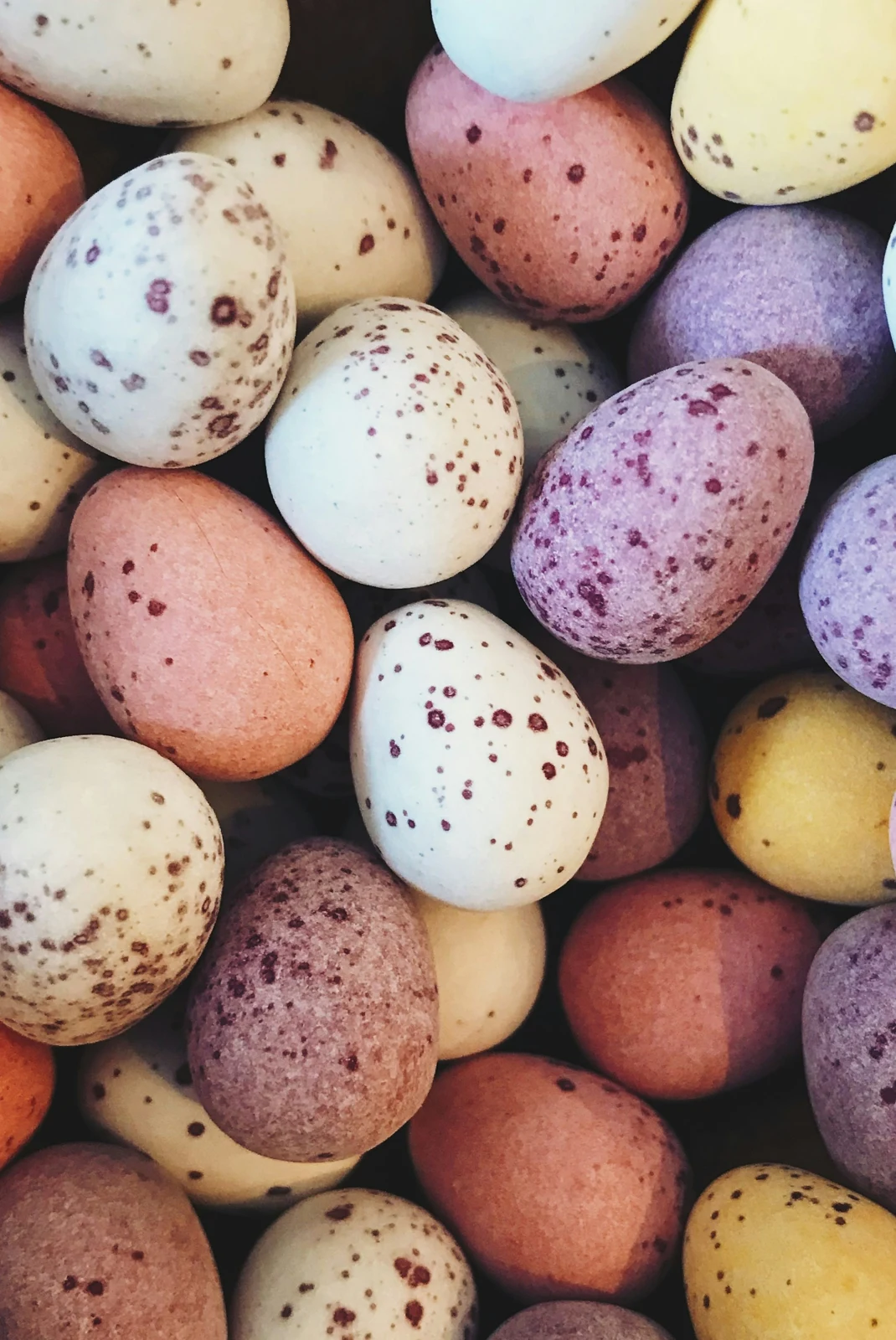 Eggs - Chicken - Duck - Quail
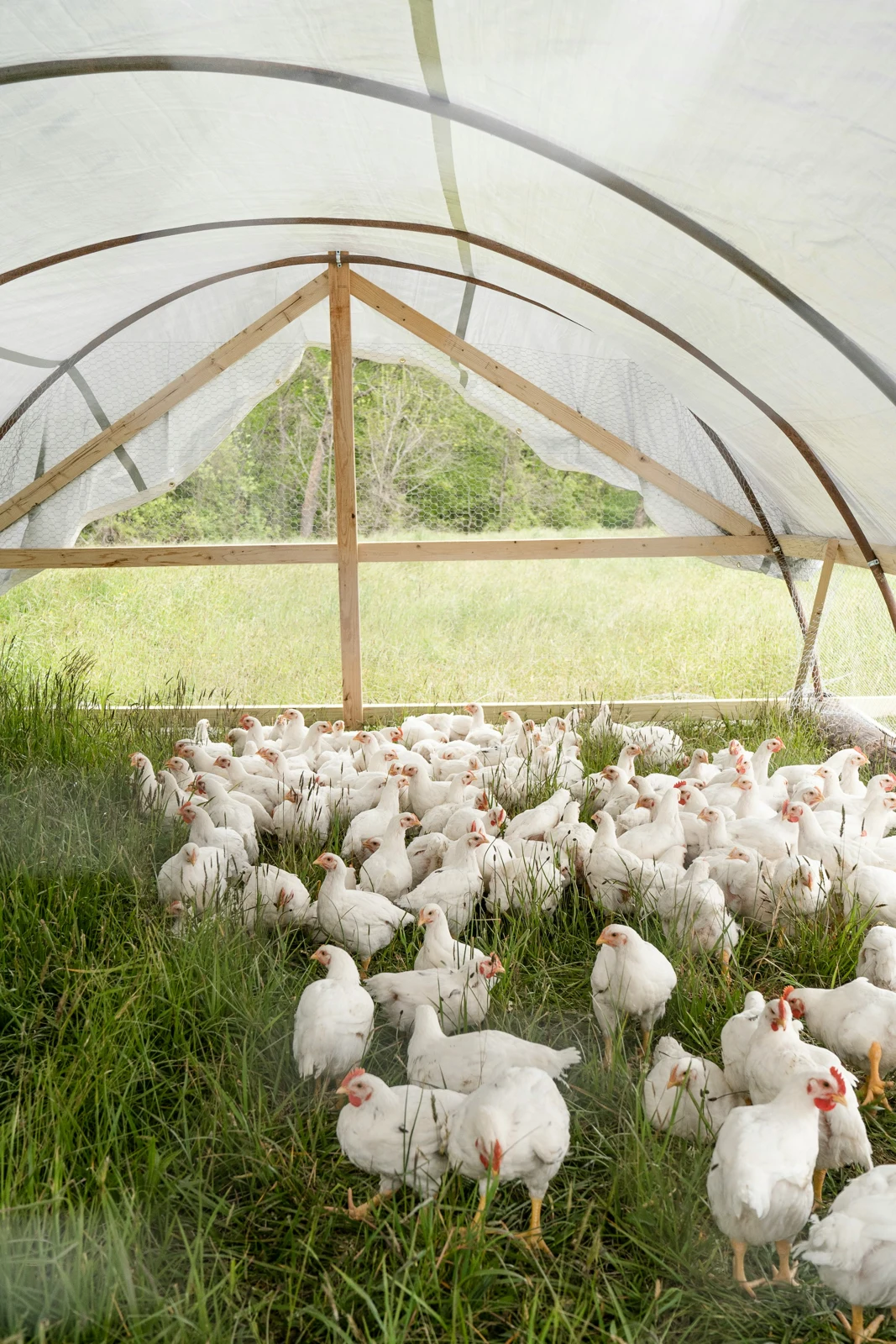 Poultry Farms - Eggs - Chicken