Imported source research draft. Nutrition, health claims and linked references have not been independently verified.
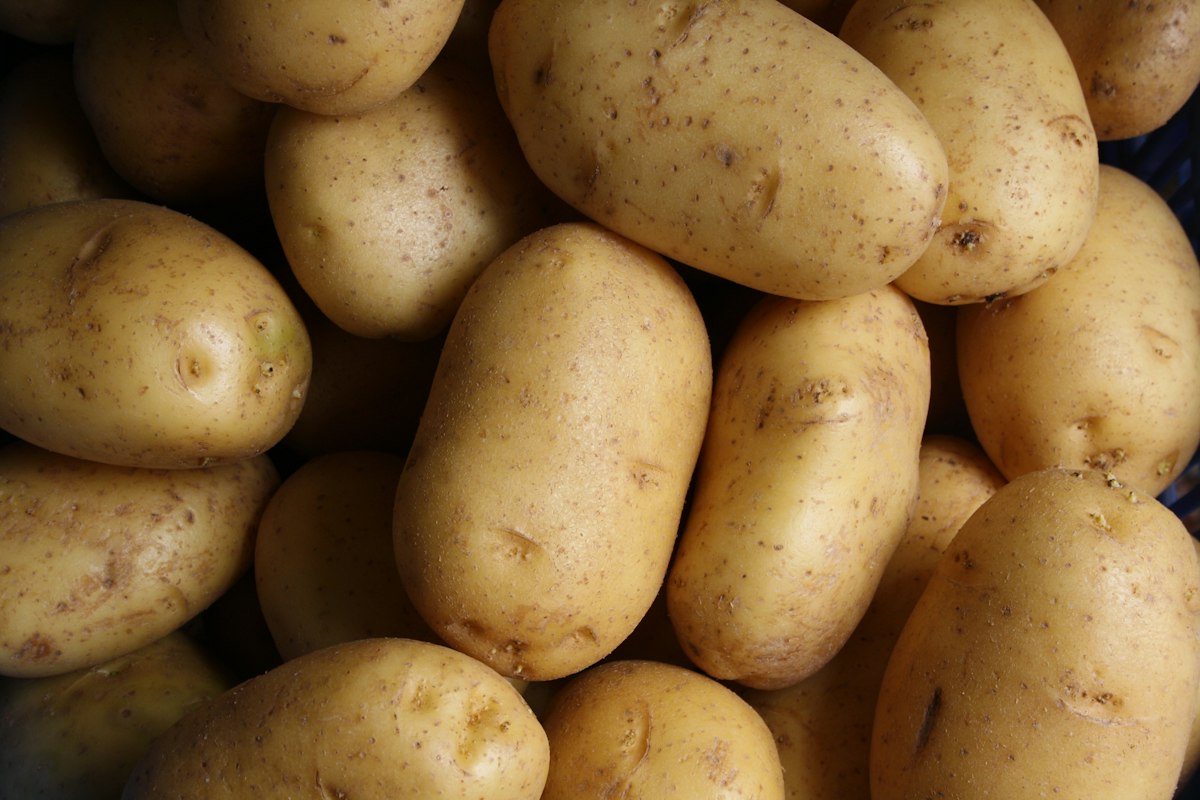
Original source illustration; may show a general food category.
Yam is a tuber belonging to the genus Dioscorea, native to Africa, Asia, and the Americas. They are rich in carbohydrates and are a staple in many tropical regions.
Country stock records are private to assigned managers.
Food-waste calculator
Estimate food you can keep out of the bin by using or sharing it.
Potential food saved1 kg
If you use or share 1 kg of Yam instead of discarding it, that is 1 kg kept out of the bin.
This uses only your entered amount. It does not claim measured waste reduction or convert pieces and packs into invented weights.
Overview
Yam is a tuber belonging to the genus Dioscorea, native to Africa, Asia, and the Americas. They are rich in carbohydrates and are a staple in many tropical regions.
Origin & history
ancient uses: Used as a staple food in Africa and Asia.
region of origin: Tropical regions
country of origin: West Africa
historical timeline: year: -3000
event: Yams were first cultivated in Africa.
cultural significance: Yams play a significant role in various festivals and cultural practices in West Africa.
domestication history: Yams were domesticated thousands of years ago and are an important food source in many traditional societies.
traditional importance: Considered an important food source and symbol of wealth in many African cultures.
historical trade routes: Yams have been traded along ancient trade routes between Africa, Asia, and the Americas.
Growing & production
climate: Tropical and subtropical
diseases: Yam mosaic virus
Fusarium wilt
rainfall: 800-1500 mm annually
harvesting: After tops die back, usually 7-12 months after planting
irrigation: Regular irrigation during dry seasons
temperature: 15-30 °C
growing season: 9-12 months depending on the variety
harvest period: Late summer to early winter
yield per acre: 15-40 tons
growing regions: Africa
Asia
Caribbean
Central America
pest management: Manual weeding and insect control
planting methods: Seed pieces or whole tubers
soil requirements: Well-drained, fertile soil
organic cultivation: Organic methods are used, including crop rotation.
fertilizer requirements: Balanced fertilizers applied during growth
Yam is a source of complex carbohydrates, providing sustained energy. Rich in vitamins and minerals, it supports digestive health and may help regulate blood sugar levels. Antioxidants present in yams can contribute to overall health.
Health notes
major: Rich in fibre, vitamins A and C, folate, potassium and plant polyphenols.
Low in calories and high in water content — supports weight management and hydration.
Regular vegetable intake is linked to lower rates of cardiovascular disease and type 2 diabetes.
evidence: Consensus among USDA, NIH and WHO reviews is that yam contributes positively to a balanced eating pattern when consumed in appropriate portions.
Storage
freezing: Can be frozen after cooking.
shelf life: Up to 6 months in ideal conditions.
dry storage: Ideal to prevent spoilage.
refrigeration: Not recommended for longer storage.
best practices: Keep in a ventilated area
Avoid direct sunlight
common mistakes: Storing in damp conditions
Exposing to light
storage methods: Cool dark place
Root cellar
spoilage indicators: Softness
Sprouting
Mold
Preparation
cutting: Cut into desired shapes for cooking.
peeling: Use a vegetable peeler or knife to remove the skin.
washing: Wash thoroughly before peeling.
cleaning: Rinse under cold water to remove dirt.
buying tips: Select firm, heavy tubers with no soft spots.
cooking methods: Boiling
Baking
Frying
Mashing
freshness indicators: Firm texture
No sprouting
seasonal buying guide: Best purchased when in season in local markets.
Practical tips
**Cleaning**
Rinse under cold water to remove dirt.
**Washing**
Wash thoroughly before peeling.
**Peeling**
Use a vegetable peeler or knife to remove the skin.
**Cutting**
Cut into desired shapes for cooking.
Recipes
name: Yam Porridge
tags: breakfast
easy
vegan
tips: Add spices for extra flavor.
method: Peel and cut yam into chunks.
Boil yam in water until soft.
Mash yam and add palm oil, and salt.
Serve hot.
region: Southwest
country: Nigeria
cuisine: Nigerian
servings: 4
cook time: 30 minutes
image url: http://example.com/yam_porridge.jpg
nutrition: fat: 6
carbs: 46
protein: 2
calories: 200
prep time: 15 minutes
chef notes: Traditionally enjoyed in the morning.
difficulty: Easy
description: A creamy and delicious porridge made from yam, perfect for breakfast.
ingredients: 300g yam
500ml water
Salt to taste
Palm oil
Vegetables (optional)
recipe source: Nigerian Food Network
suitable diets: Vegetarian
Transportation
humidity: 60-70%
packaging: Burlap sacks or baskets for bulk transport.
shelf life: 3-6 months in proper conditions.
shipping methods: Road, maritime transport.
storage temperature: Room temperature, ideally 10-13 °C.
cold chain requirements: Not necessary, but refrigeration prolongs shelf life.
transportation constraints: Fragile; care needed to avoid bruising.
Sustainability
climate resilience: Adapted to a range of climates.
sustainable farming: Practices include crop rotation and organic methods.
environmental impact: Minimal when grown sustainably.
regenerative agriculture: Implemented in some farming areas.
More about this food
Yams can grow up to 3 meters long.
There are over 600 species of yams, but only a few are cultivated for food.
Source references
url: http://example.com/usda_yams
type: report
year: 2021
title: Nutrition of Yams
authors: Doe, J.
publisher: USDA
Kerala & United States locality guides
Regional guides; these links do not establish local product availability.