Imported source research draft. Nutrition, health claims and linked references have not been independently verified.
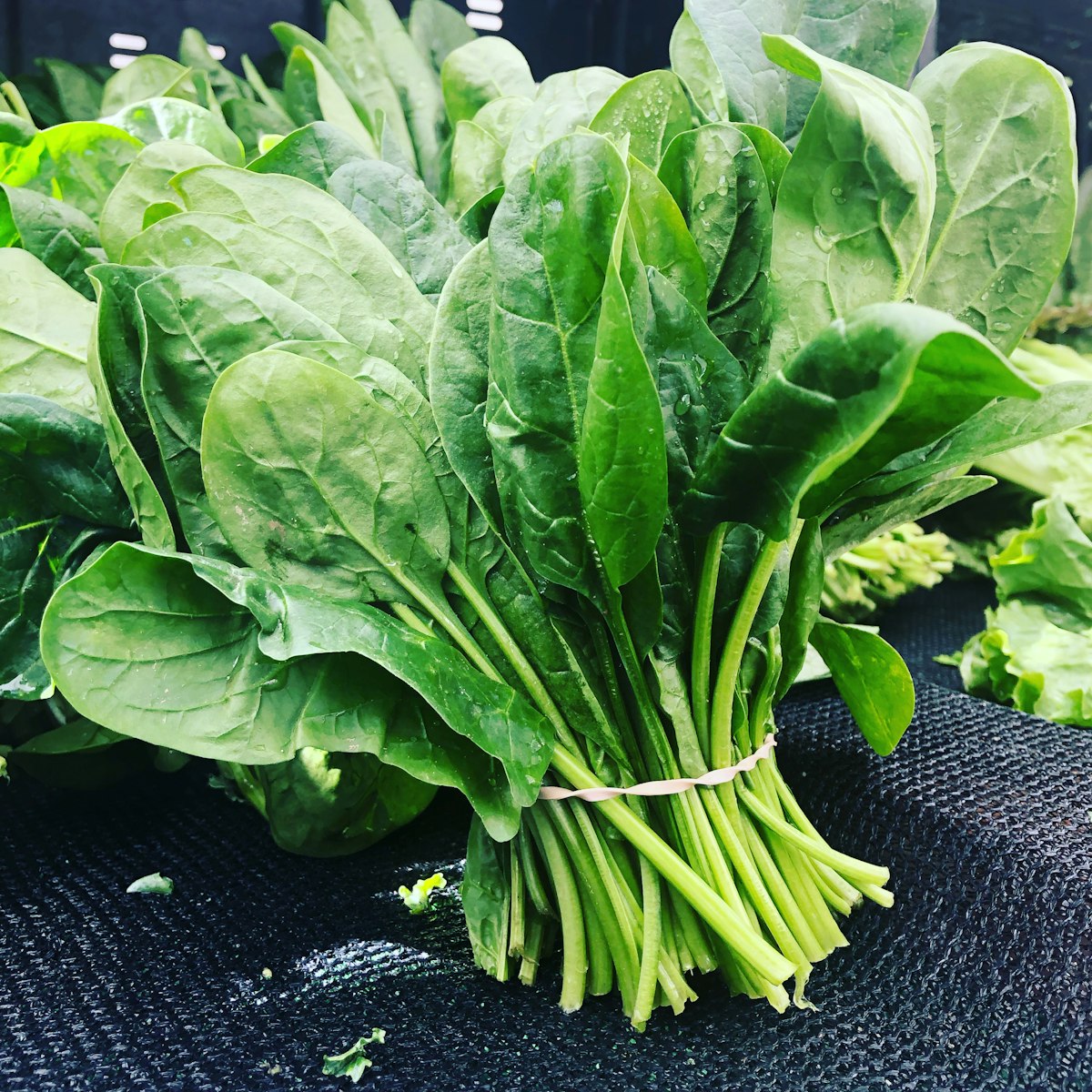
Original source illustration; may show a general food category.
Watercress is a perennial plant that grows in water or very moist soil. It has a distinctive peppery taste and is often used in salads, garnishes, and sandwiches.
Country stock records are private to assigned managers.
Food-waste calculator
Estimate food you can keep out of the bin by using or sharing it.
Potential food saved1 kg
If you use or share 1 kg of Watercress instead of discarding it, that is 1 kg kept out of the bin.
This uses only your entered amount. It does not claim measured waste reduction or convert pieces and packs into invented weights.
Overview
Watercress is a perennial plant that grows in water or very moist soil. It has a distinctive peppery taste and is often used in salads, garnishes, and sandwiches.
Origin & history
ancient uses: Used as a medicinal herb to treat various ailments.
region of origin: Western Asia
country of origin: Iran
historical timeline: event: First mentioned in ancient texts as a food source.
cultural significance: Often associated with springtime and freshness in cuisine.
domestication history: Cultivated by the ancient Greeks and Romans.
traditional importance: Commonly served in salads and sandwiches in various cultures.
historical trade routes: Traded along the Silk Road.
Growing & production
climate: Temperate
diseases: Root rot
Powdery mildew
rainfall: Requires constant moisture
harvesting: Cut the leaves and stems above water level.
irrigation: Waterlogged conditions preferred.
hydroponics: Can be effectively grown in hydroponic systems.
temperature: Optimal growth between 10-20°C
growing season: Spring to fall
harvest period: May be harvested multiple times from spring until fall.
yield per acre: High yield potential due to fast growth.
growing regions: Europe
North America
Asia
pest management: Susceptible to aphids and snails.
planting methods: Sow seeds directly in water or moist soil.
soil requirements: Moist, rich in organic matter
organic cultivation: Can be grown organically, requires careful pest management.
fertilizer requirements: Light fertilization essential for growth.
Nutrition draft
per 100g: fat g: 0.1
carbs g: 4.1
fiber g: 0.5
iron mg: 0.3
sugar g: 0.1
water g: 92.2
zinc mg: 0.2
calories: 32
omega3 g: 0
omega6 g: 0.3
protein g: 2.2
sodium mg: 15
calcium mg: 81
folate mcg: 140
magnesium mg: 26
potassium mg: 498
vitamin a iu: 3500
vitamin c mg: 43
vitamin k mcg: 251
saturated fat g: 0
amino acids: valine: 0.06
alanine: 0.04
per serving: fat g: 0.03
carbs g: 1.4
calories: 11
protein g: 0.75
serving size: 1 cup (34g)
antioxidants: Beta-carotene
Glucosinolates
phytochemicals: Sulforaphane
trace minerals: copper: 0.1
manganese: 0.2
Nutrition notes
Watercress is packed with antioxidants and nutrients. It may help reduce inflammation, improve bone health, and enhance cardiovascular and digestive health. It's known for its protective effects against chronic diseases due to its high vitamin and mineral content.
Health notes
major: Rich in fibre, vitamins A and C, folate, potassium and plant polyphenols.
Low in calories and high in water content — supports weight management and hydration.
Regular vegetable intake is linked to lower rates of cardiovascular disease and type 2 diabetes.
evidence: Consensus among USDA, NIH and WHO reviews is that watercress contributes positively to a balanced eating pattern when consumed in appropriate portions.
Storage
shelf life: 5-7 days refrigerated.
refrigeration: Best stored in a sealed container with paper towels.
best practices: Use within a week
Keep dry and cool
common mistakes: Storing in airtight containers without moisture control.
storage methods: Refrigeration
Moist wrapping
spoilage indicators: Wilting
Yellowing leaves
Preparation
washing: Soak in clean water, then rinse well.
cleaning: Rinse thoroughly under cold water to remove dirt.
buying tips: Look for fresh, vibrant green leaves without wilting.
cooking methods: Raw in salads
Sautéed
Added to soups
freshness indicators: Bright green color
Crisp texture
seasonal buying guide: Best bought in spring and early summer.
Practical tips
**Cleaning**
Rinse thoroughly under cold water to remove dirt.
**Washing**
Soak in clean water, then rinse well.
Recipes
name: Watercress Soup
tags: soup
vegetarian
easy
tips: Serve with crusty bread
method: Sauté onions and potatoes
Add stock and simmer
Blend and add watercress
Stir in cream
region: England
country: United Kingdom
cuisine: British
servings: 4
cook time: 20 minutes
image url: https://example.com/image1.jpg
nutrition: fat: 2
carbs: 9
protein: 2
calories: 50
prep time: 10 minutes
chef notes: Ensure to blend well for a smooth texture.
difficulty: Easy
description: A smooth and creamy soup made with fresh watercress.
ingredients: Onion
Potato
Stock
Cream
Watercress
recipe source: Local British Cook
suitable diets: Vegetarian
Transportation
humidity: High humidity levels are ideal.
packaging: Wrapped in moisture-retaining materials.
shelf life: 5-7 days under refrigeration.
export handling: Handled with care to minimize bruising.
shipping methods: Air freight preferred for freshness.
storage temperature: 0-4°C
cold chain requirements: Requires refrigeration during transport.
transportation constraints: Short transport times are crucial.
Sustainability
climate resilience: Can adapt to various water conditions but needs moisture.
land use m2 per kg: 20
sustainable farming: Can be cultivated sustainably in controlled environments.
environmental impact: Minimal when grown organically.
organic certification: Available from certified organic farms.
pollinator importance: Important for local ecosystems.
water footprint l per kg: 140
carbon footprint kgco2e per kg: 0.5
More about this food
Watercress has been eaten since ancient times and is rich in vitamins A, C, and K.
It is considered a superfood due to its high nutrient density and health benefits.
Source references
url: https://example.com/nutrition
type: journal
year: 2021
title: Nutritional Benefits of Watercress
authors: John Doe
publisher: Nutritional Journal
Kerala & United States locality guides
Regional guides; these links do not establish local product availability.