Imported source research draft. Nutrition, health claims and linked references have not been independently verified.
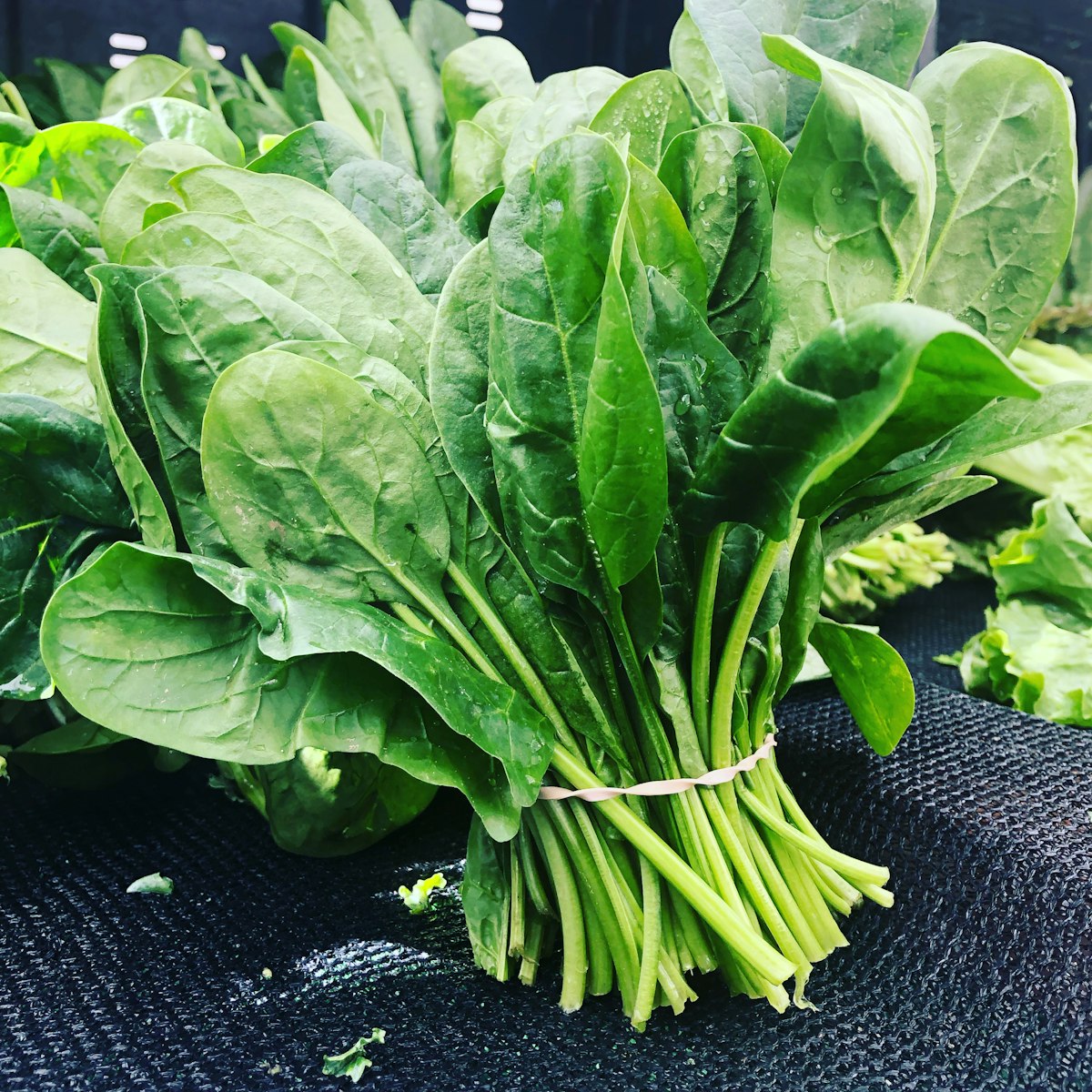
Original source illustration; may show a general food category.
Sorrel is a leafy green herb that is known for its distinct sour flavor, which is due to the oxalic acid it contains. It can be used fresh in salads, soups, and sauces or cooked like spinach.
Country stock records are private to assigned managers.
Food-waste calculator
Estimate food you can keep out of the bin by using or sharing it.
Potential food saved1 kg
If you use or share 1 kg of Sorrel instead of discarding it, that is 1 kg kept out of the bin.
This uses only your entered amount. It does not claim measured waste reduction or convert pieces and packs into invented weights.
Overview
Sorrel is a leafy green herb that is known for its distinct sour flavor, which is due to the oxalic acid it contains. It can be used fresh in salads, soups, and sauces or cooked like spinach.
Origin & history
ancient uses: Used in folk medicine and cuisine for its tart flavor.
region of origin: Tempered regions
country of origin: Europe
historical timeline: year: 1000
event: Used by ancient Romans for medicinal and culinary purposes.
cultural significance: Part of traditional spring cuisine in many cultures.
domestication history: Domesticated in Europe, used since ancient times.
traditional importance: Commonly featured in European cooking, especially in French cuisine.
Growing & production
climate: Temperate
rainfall: Moderate
harvesting: Leaves can be harvested when they reach 10-15 cm in height.
irrigation: Regular watering is needed in dry spells.
temperature: Prefers cool temperatures, ideally between 15-20°C.
growing season: Spring to early summer
harvest period: Harvest can begin 8-10 weeks after planting.
growing regions: Europe
North America
Asia
pest management: Watch for aphids and slugs.
planting methods: Seeds can be sown directly into the ground or started indoors.
soil requirements: Well-drained, fertile soil with a pH of 6.0 to 7.0.
organic cultivation: Easily grown organically, resistant to some pests.
fertilizer requirements: Fertilize in early spring with a balanced fertilizer.
Nutrition draft
per 100g: fat g: 0.4
carbs g: 3.3
fiber g: 2
iron mg: 2.1
sugar g: 0.5
water g: 91
zinc mg: 0.5
calories: 70
omega3 g: 0.1
omega6 g: 0.1
protein g: 2.6
sodium mg: 5
calcium mg: 190
folate mcg: 20
magnesium mg: 40
potassium mg: 553
vitamin a iu: 2504
vitamin c mg: 60
vitamin k mcg: 482
saturated fat g: 0.1
per serving: fat g: 0.4
carbs g: 3.3
calories: 70
protein g: 2.6
serving size: 100g
antioxidants: Quercetin
phytochemicals: Oxalic acid
Nutrition notes
Sorrel is rich in Vitamin C and has antioxidant properties. It can support digestive health and has anti-inflammatory effects. Consumed in moderation, it can be a nutritious addition to a balanced diet. However, its high oxalic acid levels may pose risks to those with kidney issues.
Health notes
major: Rich in fibre, vitamins A and C, folate, potassium and plant polyphenols.
Low in calories and high in water content — supports weight management and hydration.
Regular vegetable intake is linked to lower rates of cardiovascular disease and type 2 diabetes.
evidence: Consensus among USDA, NIH and WHO reviews is that sorrel contributes positively to a balanced eating pattern when consumed in appropriate portions.
Storage
shelf life: 1 week in fridge.
refrigeration: Store in a sealed bag to retain moisture.
best practices: Store in a cool place
Keep away from ethylene-producing fruits
common mistakes: Storing in airtight bags for too long.
storage methods: Refrigeration
Controlled atmosphere storage
spoilage indicators: Wilting leaves
Discolored appearance
Preparation
cutting: Use a sharp knife for clean cuts.
washing: Use a gentle spray to wash the leaves.
cleaning: Rinse thoroughly under cold water to remove dirt.
buying tips: Choose vibrant, green leaves, free from blemishes.
cooking methods: Raw
Sautéed
In soups
Juiced
freshness indicators: Crisp leaves
Bright color
seasonal buying guide: Best when harvested in spring.
Practical tips
**Cleaning**
Rinse thoroughly under cold water to remove dirt.
**Washing**
Use a gentle spray to wash the leaves.
**Cutting**
Use a sharp knife for clean cuts.
Recipes
name: Sorrel Soup
tags: soup
sorrel
spring
tips: The soup can be served hot or cold.
method: Sauté onions until translucent.
Add potatoes and broth; cook until potatoes are tender.
Stir in chopped sorrel and simmer briefly.
Blend until smooth; serve with a dollop of cream.
region: Alsace
country: France
cuisine: French
servings: 4
cook time: 20 minutes
image url: https://example.com/sorrel-soup.jpg
nutrition: fat: 4
carbs: 12
protein: 3
calories: 100
prep time: 15 minutes
video url: https://example.com/sorrel-soup-video
chef notes: A classic dish that celebrates spring flavors.
difficulty: Easy
description: A refreshing soup made from sorrel leaves, potatoes, and broth.
ingredients: 200g fresh sorrel
1 onion
2 potatoes
500ml chicken broth
Salt
Pepper
Cream
youtube url: https://youtube.com/video-sorrel-soup
recipe source: Culinary Institute
suitable diets: Vegan
Transportation
humidity: High humidity recommended during transport.
packaging: Preferably packaged in breathable containers.
shelf life: Up to 1 week refrigerated.
shipping methods: Air freight preferred for fresh segments.
storage temperature: 2-4°C
cold chain requirements: Avoid prolonged exposure to heat.
transportation constraints: Fragile leaves can be damaged easily.
Sustainability
climate resilience: Resilient to moderate temperature variations.
sustainable farming: Low-impact cultivation methods recommended.
organic certification: Available in organic varieties.
pollinator importance: Sorrel can support local biodiversity by providing habitat.
More about this food
Sorrel has been used since antiquity for its medicinal properties.
It is rich in Vitamin C and can be foraged in many regions.