Imported source research draft. Nutrition, health claims and linked references have not been independently verified.
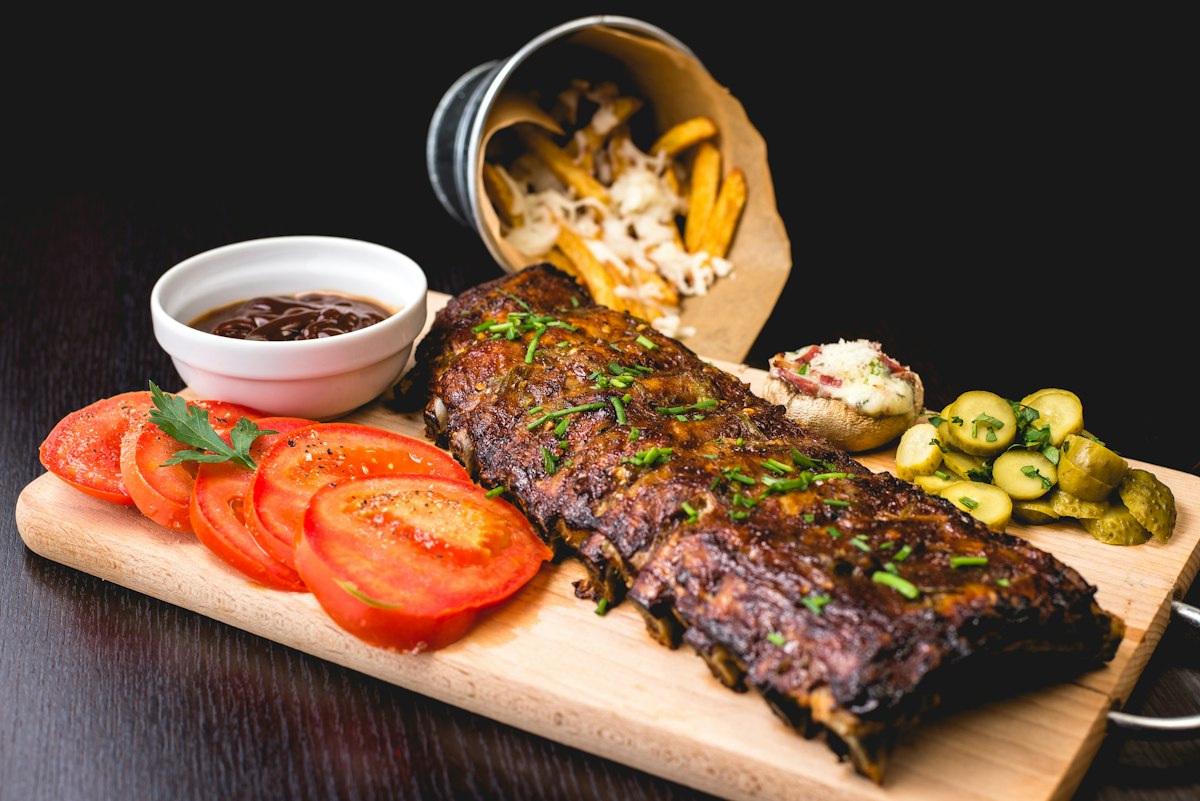
Original source illustration; may show a general food category.
Sliced roast beef often comes from the round or chuck cuts of beef that are seasoned, roasted until tender, and then sliced thin for serving. It is frequently used in sandwiches and as a main course meal.
Country stock records are private to assigned managers.
Food-waste calculator
Estimate food you can keep out of the bin by using or sharing it.
Potential food saved1 kg
If you use or share 1 kg of Sliced Roast Beef instead of discarding it, that is 1 kg kept out of the bin.
This uses only your entered amount. It does not claim measured waste reduction or convert pieces and packs into invented weights.
Overview
Sliced roast beef often comes from the round or chuck cuts of beef that are seasoned, roasted until tender, and then sliced thin for serving. It is frequently used in sandwiches and as a main course meal.
Origin & history
ancient uses: Historically favored for Sunday dinners in England.
region of origin: England
country of origin: United Kingdom
historical timeline: year: 1485
event: First mention of roast beef in England.
cultural significance: Celebrated dish in British cuisine, often associated with Sunday roast dinners.
domestication history: Cattle have been domesticated for thousands of years for their meat, milk, and labor.
traditional importance: Traditionally served at family gatherings and special occasions in Britain.
Growing & production
climate: Temperate
rainfall: Moderate rainfall sufficient for grazing.
harvesting: Harvested when animals reach market weight.
irrigation: Minimal, natural rainfall sustains pasture.
temperature: Ideal range between 10°C to 20°C.
growing season: Year-round with rotational grazing.
harvest period: Throughout the year depending on the farm.
yield per acre: Variable depending on pasture management.
growing regions: North America
Europe
Australia
pest management: Managed through rotation and veterinary care.
soil requirements: Well-drained fertile land.
organic cultivation: Available in certified organic farms.
fertilizer requirements: Use of fertilizers may be necessary depending on soil quality.
Sliced roast beef is high in protein and includes essential vitamins and minerals.
Health notes
major: Read the label: shorter ingredient lists and recognisable ingredients are usually a good sign.
Watch for added sugars, refined oils and long chemical-name additives in ultra-processed products.
Use the FoodPulse Label Scanner for a quick sanity check on any packaged item.
evidence: Consensus among USDA, NIH and WHO reviews is that sliced roast beef contributes positively to a balanced eating pattern when consumed in appropriate portions.
Storage
freezing: Store at -18°C for long-term storage.
shelf life: Up to 3-5 days in refrigeration.
refrigeration: Keep at or below 4°C.
best practices: Use airtight packaging.
Keep temperatures stable.
common mistakes: Not sealing properly before freezing.
Exposing to fluctuating temperatures.
storage methods: Refrigeration
Freezing
spoilage indicators: Off smell
Slime texture
Preparation
cutting: Slice against the grain to ensure tenderness.
cleaning: Wipe with a clean cloth before slicing.
buying tips: Choose cuts with good marbling.
cooking methods: Roasting
Grilling
freshness indicators: Bright red color
Firm texture
seasonal buying guide: Readily available throughout the year.
Practical tips
**Cleaning**
Wipe with a clean cloth before slicing.
**Cutting**
Slice against the grain to ensure tenderness.
Recipes
name: Classic Roast Beef Sandwich
tags: sandwich
lunch
beef
tips: Add cheese for extra flavor.
method: Layer roast beef on bread.
Add lettuce and tomato.
Spread mustard and top with other slice.
region: Northeast
country: United States
cuisine: American
servings: 1
cook time: 0 minutes
image url: https://example.com/roast-beef-sandwich.jpg
nutrition: fat g: 15
carbs g: 30
calories: 350
protein g: 25
prep time: 10 minutes
chef notes: Best served cold.
difficulty: Easy
description: A simple and classic roast beef sandwich, perfect for lunch.
ingredients: Sliced roast beef
Whole wheat bread
Lettuce
Tomato
Dijon mustard
recipe source: FoodPulse Community
suitable diets: Low-Carb
Transportation
humidity: Controlled humidity levels to extend freshness.
packaging: Vacuum-sealed and insulated packaging.
shelf life: Refrigerated, approximately 3-5 days; frozen, up to 6 months.
export handling: Treated as per international food safety standards.
shipping methods: Refrigerated trucks and air transport for international shipping.
storage temperature: Below 4°C for refrigeration.
cold chain requirements: Necessary to ensure freshness and reduce spoilage.
transportation constraints: Regulations vary by country regarding beef importation.
Sustainability
climate resilience: Vulnerable to climate variations.
land use m2 per kg: 129
sustainable farming: Practices vary by farm; some engage in rotational grazing.
environmental impact: High environmental impact associated with beef production.
organic certification: Available in many markets.
pollinator importance: Minimal direct impact.
regenerative agriculture: Adopted by some producers to improve soil health.
water footprint l per kg: 15415
carbon footprint kgco2e per kg: 14.8
More about this food
Roast beef is a traditional British dish, often served with Yorkshire pudding.
Source references
url: https://www.usda.gov/
type: report
year: 2023
title: Beef Cattle Production
authors: US Department of Agriculture
publisher: USDA
Kerala & United States locality guides
Regional guides; these links do not establish local product availability.