Imported source research draft. Nutrition, health claims and linked references have not been independently verified.
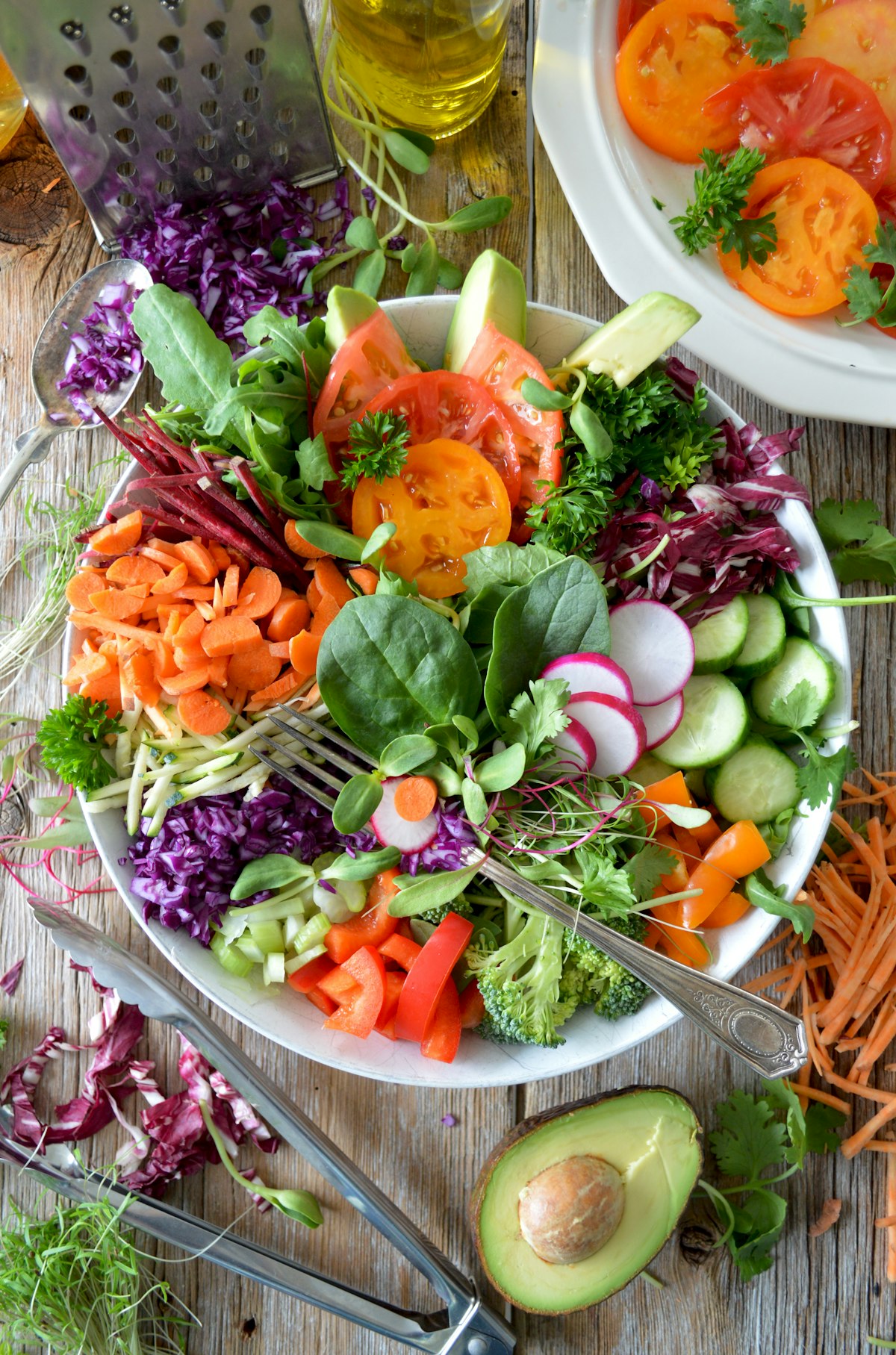
Original source illustration; may show a general food category.
Red cabbage is a nutrient-rich vegetable belonging to the Brassica family. It is characterized by its dark purplish color and is high in vitamins and antioxidants.
Country stock records are private to assigned managers.
Food-waste calculator
Estimate food you can keep out of the bin by using or sharing it.
Potential food saved1 kg
If you use or share 1 kg of Red Cabbage instead of discarding it, that is 1 kg kept out of the bin.
This uses only your entered amount. It does not claim measured waste reduction or convert pieces and packs into invented weights.
Overview
Red cabbage is a nutrient-rich vegetable belonging to the Brassica family. It is characterized by its dark purplish color and is high in vitamins and antioxidants.
Origin & history
ancient uses: Used for centuries in European cuisine.
region of origin: Western Europe
country of origin: Europe
historical timeline: year: 1000
event: First cultivated in Europe.
cultural significance: Symbol of prosperity in some cultures.
domestication history: Thought to have been domesticated from wild cabbage.
traditional importance: A staple in winter diets.
Growing & production
climate: Temperate climates
rainfall: Moderate (around 500-800 mm annually)
harvesting: When heads are firm and fully developed
irrigation: Regular watering needed in dry spells
hydroponics: Feasible but less common
temperature: Cool temperatures (15-20°C ideal)
growing season: Spring to fall
harvest period: Late summer to fall
yield per acre: 20-30 tons
growing regions: North America
Europe
Asia
pest management: Use of row covers and beneficial insects
planting methods: Seeds or transplants
soil requirements: Loamy, well-drained soil
organic cultivation: Possible with specific pest controls
greenhouse production: Common for early crops
fertilizer requirements: Balanced fertilizer during growth
Nutrition draft
per 100g: fat g: 0.1
carbs g: 6
fiber g: 2.1
iron mg: 0.8
sugar g: 3.2
water g: 92
zinc mg: 0.18
calories: 31
omega3 g: 0
omega6 g: 0
protein g: 1.4
sodium mg: 18
calcium mg: 50
folate mcg: 61
magnesium mg: 12
potassium mg: 316
vitamin a iu: 98
vitamin c mg: 57
vitamin k mcg: 76
saturated fat g: 0
per serving: fat g: 0.1
carbs g: 10
calories: 46
protein g: 2.1
serving size: 1 cup (148g)
antioxidants: Anthocyanins
glycemic load: 1
glycemic index: 15
phytochemicals: Indole-3-carbinol
Nutrition notes
Red cabbage is rich in antioxidants, vitamins, and minerals, contributing to overall health. It may support heart health, reduce inflammation, and have anti-cancer properties. Its high fiber content also aids digestion.
Health notes
major: Rich in fibre, vitamins A and C, folate, potassium and plant polyphenols.
Low in calories and high in water content — supports weight management and hydration.
Regular vegetable intake is linked to lower rates of cardiovascular disease and type 2 diabetes.
evidence: Consensus among USDA, NIH and WHO reviews is that red cabbage contributes positively to a balanced eating pattern when consumed in appropriate portions.
Storage
freezing: Can be blanched and frozen
shelf life: Up to a month under optimal conditions
refrigeration: Best kept in crisper drawer
best practices: Store away from ethylene-producing fruits
common mistakes: Ignoring moisture control
storage methods: Refrigeration
Controlled atmosphere
spoilage indicators: Wilting
Softness
controlled atmosphere storage: Extends shelf life
Preparation
cutting: Slice thinly for salads.
peeling: Remove outer leaves if damaged.
washing: Soak in vinegar for additional cleanliness.
cleaning: Rinse under cold water to remove dirt.
buying tips: Choose heads that are firm and heavy.
cooking methods: Steaming
Sautéing
Fermenting
freshness indicators: Tight, compact head
vibrant color
seasonal buying guide: Best found in fall and winter.
Practical tips
**Cleaning**
Rinse under cold water to remove dirt.
**Washing**
Soak in vinegar for additional cleanliness.
**Peeling**
Remove outer leaves if damaged.
**Cutting**
Slice thinly for salads.
Recipes
name: Red Cabbage Slaw
tags: salad
side dish
cabbage
tips: Chill before serving for best flavor.
method: Combine cabbage and carrots in a bowl.
In a separate bowl, mix mayonnaise, vinegar, salt, and pepper.
Pour dressing over veggies and toss to combine.
region: North America
country: USA
cuisine: American
servings: 4
image url: https://example.com/red-cabbage-slaw.jpg
prep time: 15 mins
video url: https://example.com/red-cabbage-slaw-video
chef notes: Great as a side dish for barbecues.
difficulty: Easy
description: A refreshing slaw made with red cabbage, carrots, and a tangy dressing.
ingredients: 4 cups shredded red cabbage
1 cup shredded carrots
1/2 cup mayonnaise
2 tablespoons apple cider vinegar
Salt and pepper to taste
youtube url: https://youtube.com/examplecabbageslaw
recipe source: Family Recipes
suitable diets: Vegetarian
Transportation
humidity: 85-90% humidity ideal
packaging: Plastic bags or boxes with ventilation
shelf life: Approximately 3-4 weeks if stored correctly
export handling: Must comply with local regulations
shipping methods: Truck, rail, and sea freight
storage temperature: 0-4°C
cold chain requirements: Recommended for freshness
Sustainability
climate resilience: Resistant to cooler temperatures.
sustainable farming: Promotes soil health through crop rotation.
environmental impact: Low when grown organically.
organic certification: Available through various certifying bodies.
pollinator importance: Provides habitat for various pollinators.
regenerative agriculture: Encouraged methods to restore ecosystems.
More about this food
Rich in anthocyanins, which give it its color.
Can be eaten raw, pickled, or cooked.
Source references
url: https://nutritionjournal.com/red-cabbage
type: journal
year: 2020
title: The Nutritional Value of Red Cabbage
authors: Smith, J. et al.
publisher: Nutrition Journal
Kerala & United States locality guides
Regional guides; these links do not establish local product availability.