Imported source research draft. Nutrition, health claims and linked references have not been independently verified.
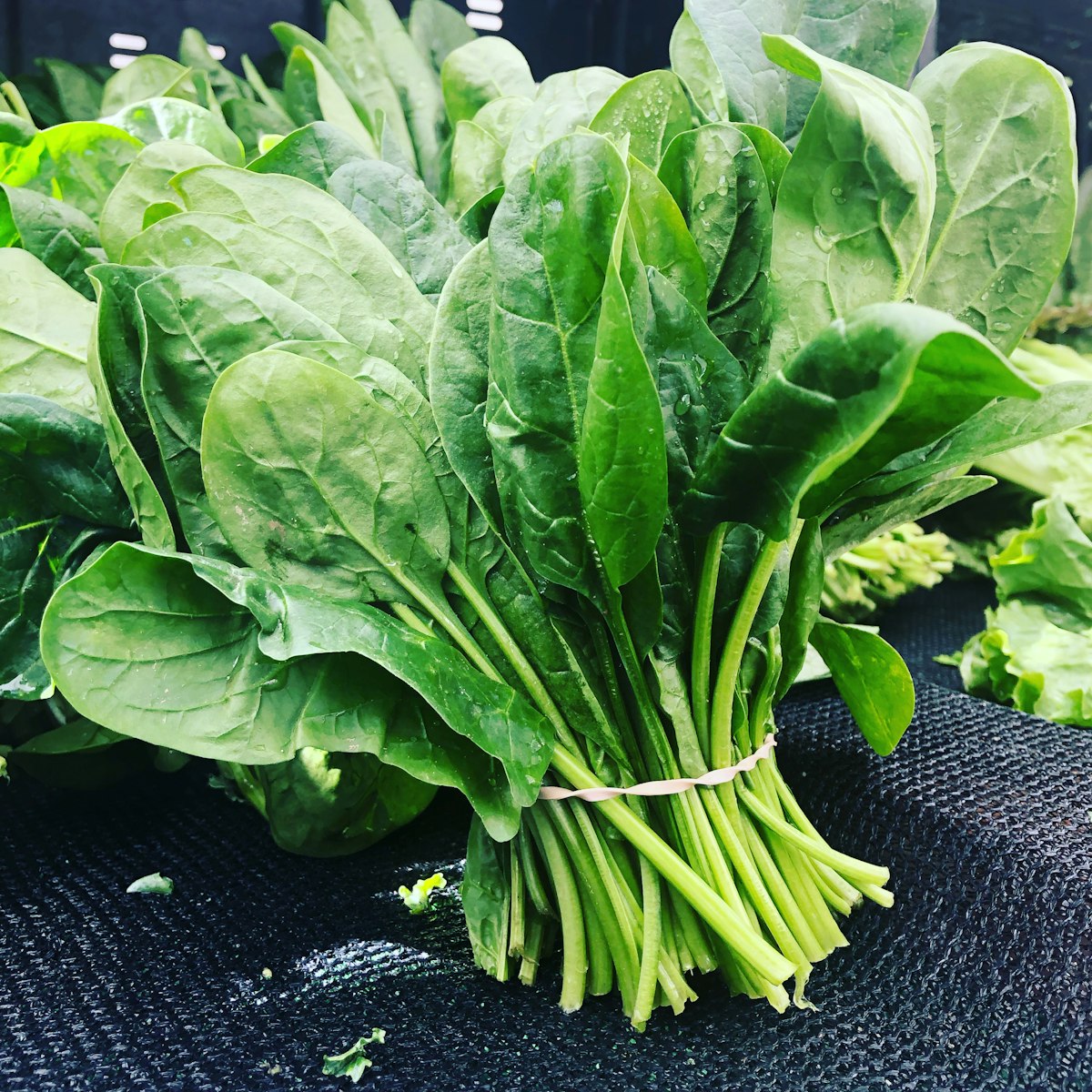
Original source illustration; may show a general food category.
Radish greens are the leaves of the radish plant, which are often overlooked in favor of the root. They are highly nutritious, with a peppery flavor similar to the radish itself, and can be enjoyed in salads, soups, and as a cooked green.
Country stock records are private to assigned managers.
Food-waste calculator
Estimate food you can keep out of the bin by using or sharing it.
Potential food saved1 kg
If you use or share 1 kg of Radish Greens instead of discarding it, that is 1 kg kept out of the bin.
This uses only your entered amount. It does not claim measured waste reduction or convert pieces and packs into invented weights.
Overview
Radish greens are the leaves of the radish plant, which are often overlooked in favor of the root. They are highly nutritious, with a peppery flavor similar to the radish itself, and can be enjoyed in salads, soups, and as a cooked green.
Origin & history
ancient uses: Used in ancient culinary practices as a salad green.
region of origin: Southeast Asia
country of origin: Asia
historical timeline: year: -2000
event: Radishes were first cultivated in ancient Egypt.
year: 500
event: Radishes spread to Europe through trade routes.
cultural significance: In some cultures, radish greens symbolize abundance and health in meals.
domestication history: Radishes have been cultivated for thousands of years, with their greens often being consumed as well.
traditional importance: Radish greens have historically been used in Japanese and Chinese cuisines.
historical trade routes: Silk Road facilitated the spread of radish cultivation and consumption.
Growing & production
climate: Temperate to cool climates are ideal for radish cultivation.
rainfall: Moderate rainfall is sufficient, about 20 inches per year.
harvesting: Harvest after 30-50 days, when leaves are tender and vibrant.
irrigation: Regular watering is necessary, especially in dry conditions.
hydroponics: Could be cultivated hydroponically for quicker yields.
temperature: Optimal growth occurs between 10°C to 20°C (50°F to 68°F).
growing season: Spring and fall, as radishes grow quickly.
harvest period: Harvest typically peaks in late spring and fall.
yield per acre: Approximately 4-5 tons of greens can be harvested per acre.
growing regions: Europe
Asia
North America
pest management: Monitor for aphids and flea beetles; use organic pesticides as needed.
planting methods: Direct sowing in rows is the standard method.
vertical farming: Suitable for small-scale urban gardening.
soil requirements: Well-drained, loamy soil rich in organic matter.
organic cultivation: Radish greens can be easily grown using organic methods.
greenhouse production: Possible, especially for off-season cultivation.
fertilizer requirements: Moderate nitrogen levels are optimal; avoid excessive nitrogen to prevent lush foliage at the expense of root quality.
Nutrition draft
per 100g: fat g: 0.5
carbs g: 4
fiber g: 2
iron mg: 0.7
sugar g: 0.5
water g: 91
zinc mg: 0.3
calories: 22
omega3 g: 0.1
omega6 g: 0.1
protein g: 2
sodium mg: 40
calcium mg: 150
folate mcg: 50
magnesium mg: 40
potassium mg: 400
vitamin a iu: 400
vitamin c mg: 35
vitamin k mcg: 140
saturated fat g: 0.1
per serving: fat g: 0.5
carbs g: 4
calories: 22
protein g: 2
serving size: 100g
antioxidants: Lutein
Beta-carotene
phytochemicals: Glucosinolates
Nutrition notes
Radish greens are packed with essential vitamins and minerals. They support immune health, promote vision health due to their vitamin A content, and aid in digestion due to their high fiber levels.
Health notes
major: Rich in fibre, vitamins A and C, folate, potassium and plant polyphenols.
Low in calories and high in water content — supports weight management and hydration.
Regular vegetable intake is linked to lower rates of cardiovascular disease and type 2 diabetes.
evidence: Consensus among USDA, NIH and WHO reviews is that radish greens contributes positively to a balanced eating pattern when consumed in appropriate portions.
Storage
freezing: Can be blanched and frozen, though flavor may change.
shelf life: 3-5 days when stored properly.
dry storage: Not recommended; will wilt quickly.
refrigeration: Store in the vegetable crisper if possible.
best practices: Keep in a breathable bag
Use within a week of purchase.
common mistakes: Storing without moisture control
Exposing to ethylene-producing fruits.
storage methods: Refrigeration
Freezing
Dry storage
spoilage indicators: Wilting
Yellowing
Mold growth
Preparation
cutting: Trim tough ends before using.
washing: Soak in cool water for a few minutes before rinsing.
cleaning: Rinse thoroughly to remove any dirt or contaminants.
buying tips: Look for bright green leaves without yellowing.
cooking methods: Sautéing
Steaming
Stir-frying
freshness indicators: Vibrant color
Firm leaves
seasonal buying guide: Best purchased in spring and fall.
Practical tips
**Cleaning**
Rinse thoroughly to remove any dirt or contaminants.
**Washing**
Soak in cool water for a few minutes before rinsing.
**Cutting**
Trim tough ends before using.
Recipes
name: Roasted Radish Greens with Olive Oil & Sea Salt
country: International
servings: 2
difficulty: Easy
description: A quick, everyday preparation showcasing radish greens. Ready in under 30 minutes with pantry staples.
cook time min: 15
prep time min: 10
name: Sautéed Radish Greens with Garlic
country: International
servings: 2
difficulty: Easy
description: A quick, everyday preparation showcasing radish greens. Ready in under 30 minutes with pantry staples.
cook time min: 15
prep time min: 10
name: Radish Greens & Lentil Soup
country: International
servings: 2
difficulty: Easy
description: A quick, everyday preparation showcasing radish greens. Ready in under 30 minutes with pantry staples.
cook time min: 15
prep time min: 10
name: Curry-Spiced Radish Greens
country: International
servings: 2
difficulty: Easy
description: A quick, everyday preparation showcasing radish greens. Ready in under 30 minutes with pantry staples.
cook time min: 15
prep time min: 10
name: Radish Greens Stir-Fry
country: International
servings: 2
difficulty: Easy
description: A quick, everyday preparation showcasing radish greens. Ready in under 30 minutes with pantry staples.
cook time min: 15
prep time min: 10
Transportation
humidity: High humidity levels help maintain freshness.
packaging: Typically sold in bunches or bags; loose packaging helps reduce ethylene exposure.
shelf life: Typically 4 to 7 days under refrigeration.
export handling: Must be handled gently to avoid bruising.
shipping methods: Air freight and refrigerated trucks commonly used.
storage temperature: Optimal storage at 0°C to 4°C (32°F to 39°F).
cold chain requirements: Cool transportation is preferred to maintain freshness.
transportation constraints: Delicate greens may not withstand long transport durations.
Sustainability
climate resilience: Adaptable to various climatic conditions.
sustainable farming: Often grown using sustainable practices.
environmental impact: Minimal when grown locally.
regenerative agriculture: Can be incorporated into regenerative systems.
More about this food
Radish greens are rich in vitamins A, C, and K.
They can be used as a substitute for other leafy greens in various recipes.
Kerala & United States locality guides
Regional guides; these links do not establish local product availability.