Imported source research draft. Nutrition, health claims and linked references have not been independently verified.
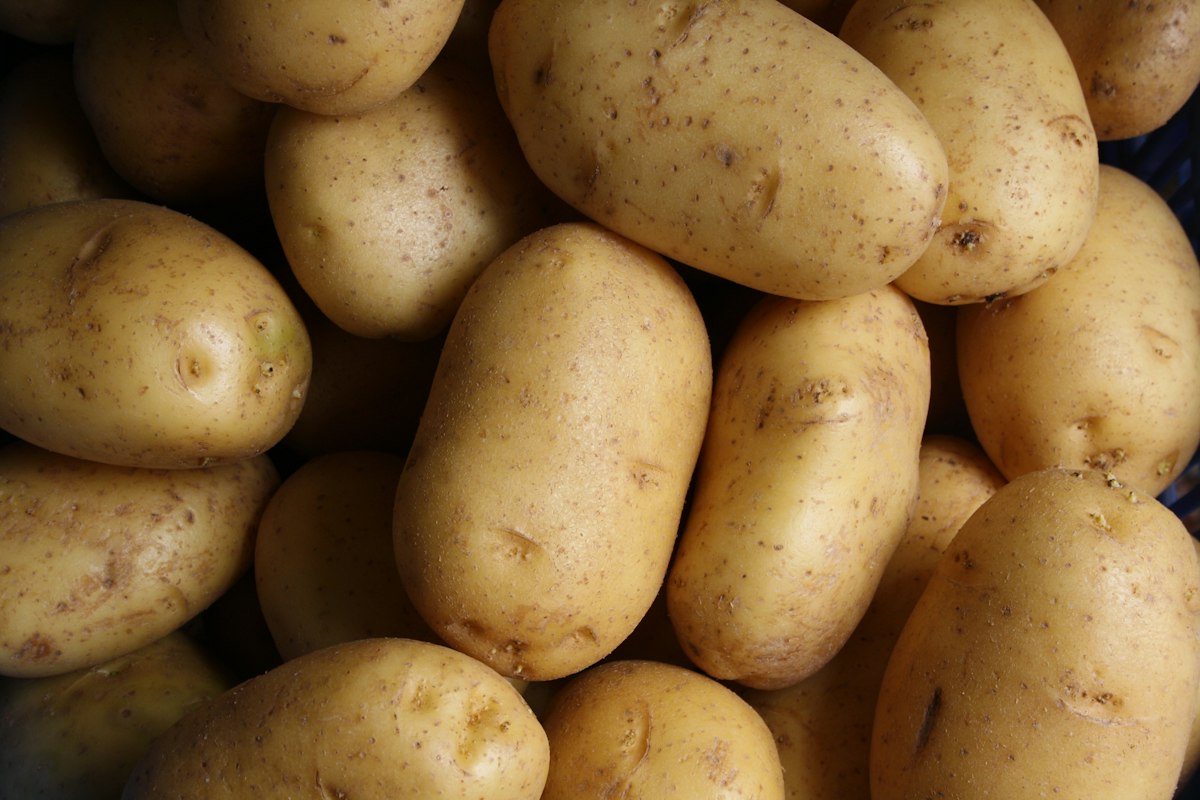
Original source illustration; may show a general food category.
Purple potatoes are a variety of potatoes that have a distinctive purple skin and flesh. They are known for their rich, nutty flavor and high levels of antioxidants, especially anthocyanins, which are responsible for their color. These potatoes are versatile in culinary applications including baking, boiling, and roasting.
Country stock records are private to assigned managers.
Food-waste calculator
Estimate food you can keep out of the bin by using or sharing it.
Potential food saved1 kg
If you use or share 1 kg of Purple Potato instead of discarding it, that is 1 kg kept out of the bin.
This uses only your entered amount. It does not claim measured waste reduction or convert pieces and packs into invented weights.
Overview
Purple potatoes are a variety of potatoes that have a distinctive purple skin and flesh. They are known for their rich, nutty flavor and high levels of antioxidants, especially anthocyanins, which are responsible for their color. These potatoes are versatile in culinary applications including baking, boiling, and roasting.
Origin & history
ancient uses: Used by Inca civilizations for food and medicine.
region of origin: Andes
country of origin: Peru
historical timeline: year: 2000
event: Purple potatoes introduced to the United States.
year: 1990
event: Purple potatoes gained popularity as a health food.
cultural significance: Symbol of rich heritage in Andean culture.
domestication history: Domesticated over 7,000 years ago.
traditional importance: Prominent in traditional Andean dishes.
historical trade routes: Traded along Inca road system.
Growing & production
climate: Cool temperate climate preferred.
rainfall: Moderate rainfall, around 600-700mm annually.
harvesting: Typically harvested 90-120 days after planting.
irrigation: Needs regular irrigation for optimal yield.
temperature: Ideal growth between 15-20°C.
growing season: Spring to Fall.
harvest period: Late summer to early fall.
yield per acre: 5,000-10,000 pounds per acre.
growing regions: Andes
North America
Europe
pest management: Regular monitoring for pests like aphids and beetles.
planting methods: Seed tubers planted directly into the soil.
soil requirements: Loamy, well-drained soil.
organic cultivation: Possible with crop rotation and natural pest control.
fertilizer requirements: Fertilize with balanced fertilizers.
Nutrition draft
per 100g: fat g: 0.1
carbs g: 20
fiber g: 2.2
iron mg: 0.81
sugar g: 0.8
water g: 77
zinc mg: 0.24
calories: 86
protein g: 2
sodium mg: 6
calcium mg: 12
folate mcg: 9
magnesium mg: 23
potassium mg: 425
vitamin a iu: 0
vitamin c mg: 19.7
vitamin k mcg: 2.9
saturated fat g: 0.03
per serving: fat g: 0.1
carbs g: 20
calories: 86
protein g: 2
serving size: 100 g
antioxidants: Anthocyanins
glycemic load: 12
glycemic index: 56
phytochemicals: Flavonoids
Nutrition notes
Purple potatoes may lower blood pressure, aid in digestion, and provide anti-inflammatory benefits due to their antioxidant content. They also support heart health and weight management.
Health notes
major: Rich in fibre, vitamins A and C, folate, potassium and plant polyphenols.
Low in calories and high in water content — supports weight management and hydration.
Regular vegetable intake is linked to lower rates of cardiovascular disease and type 2 diabetes.
evidence: Consensus among USDA, NIH and WHO reviews is that purple potato contributes positively to a balanced eating pattern when consumed in appropriate portions.
Storage
freezing: Not suitable unless blanched first.
shelf life: 3-4 weeks if stored properly.
dry storage: Preferred method of storage.
refrigeration: Not recommended as it can alter flavor.
best practices: Keep away from sunlight
Store in ventilated containers
common mistakes: Storing in a refrigerator
Exposing to moisture
storage methods: Cool, dark, and dry places
spoilage indicators: Softness
Sprouting
Wrinkling
Preparation
cutting: Use a sharp knife to avoid bruising.
peeling: Peeling is optional; skin is nutritious.
washing: Wash thoroughly before use.
cleaning: Rinse under cold water to remove dirt.
buying tips: Choose firm potatoes without blemishes or sprouts.
cooking methods: Boiling
Baking
Roasting
Steaming
freshness indicators: Firmness
No sprouting
Vibrant color
seasonal buying guide: Best purchased from late summer to early fall.
Practical tips
**Cleaning**
Rinse under cold water to remove dirt.
**Washing**
Wash thoroughly before use.
**Peeling**
Peeling is optional; skin is nutritious.
**Cutting**
Use a sharp knife to avoid bruising.
Recipes
name: Purple Potato Mash
tags: Mash
Potatoes
Vegetarian
tips: Add garlic for extra flavor.
method: Boil purple potatoes until tender.
Mash with butter and milk.
Season with salt and pepper.
region: Northwest
country: USA
cuisine: American
servings: 4
cook time: 20 minutes
image url: http://example.com/purple_potato_mash.jpg
prep time: 10 minutes
video url: http://example.com/video/purple_potato_mash
chef notes: The purple color makes this a fun dish for kids!
difficulty: Easy
description: A creamy and colorful take on traditional mashed potatoes.
ingredients: 4 purple potatoes
2 tbsp butter
1/4 cup milk
Salt
Pepper
recipe source: Food Network
suitable diets: Vegetarian
Transportation
humidity: 60-80% relative humidity ideal.
packaging: Cardboard boxes or breathable sacks.
shelf life: 3-4 weeks under proper conditions.
export handling: Careful handling to prevent bruising.
shipping methods: Land and sea shipping common.
storage temperature: 4-7°C for best storage.
cold chain requirements: Not strictly required but beneficial.
Sustainability
climate resilience: Adapted to cool climates.
sustainable farming: Practices include crop rotation and reduced chemical use.
environmental impact: Lower impact compared to conventional potatoes.
organic certification: Available through various certifications.
More about this food
Purple potatoes are high in antioxidants.
They originated in the Andean region of South America.
The deep purple color indicates a high level of nutrients.