Imported source research draft. Nutrition, health claims and linked references have not been independently verified.
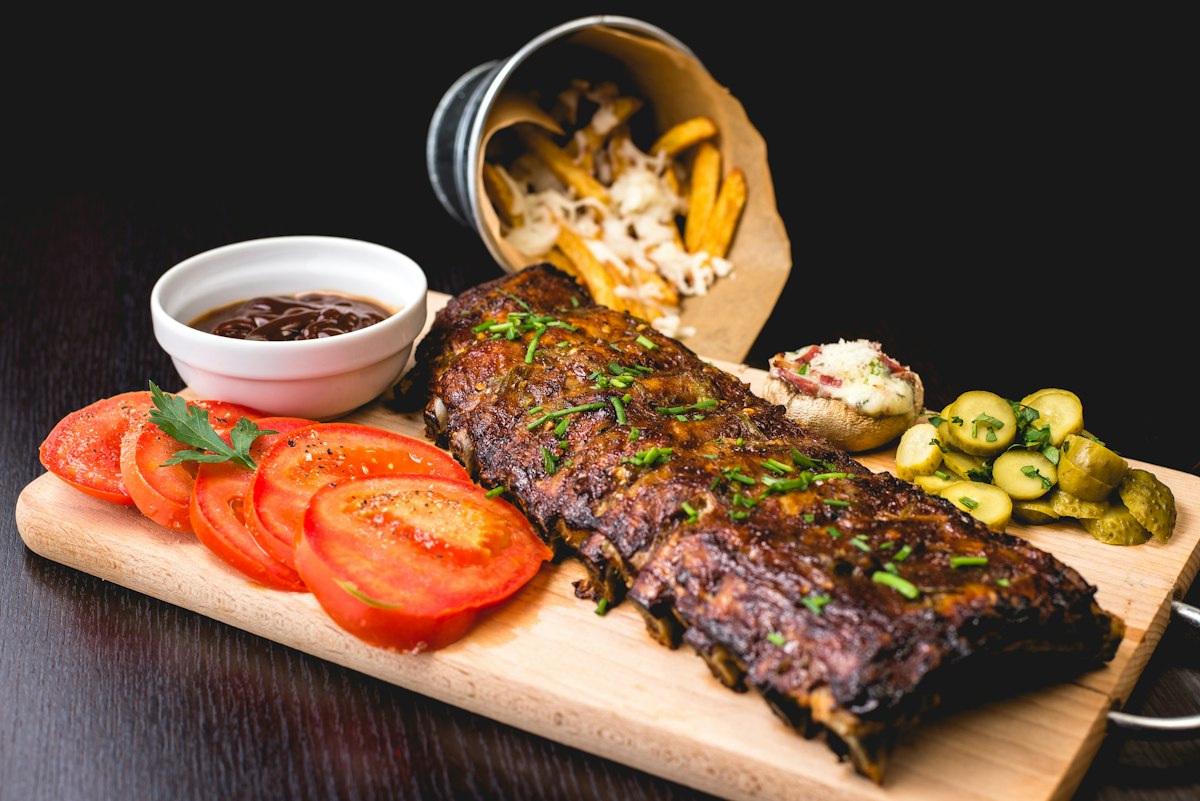
Original source illustration; may show a general food category.
Pastrami is a type of cured and smoked meat, traditionally made from beef, particularly the brisket. It is seasoned with a variety of spices and herbs, including garlic, coriander, black pepper, paprika, and mustard seeds, resulting in a flavorful deli meat often served in sandwiches.
Country stock records are private to assigned managers.
Food-waste calculator
Estimate food you can keep out of the bin by using or sharing it.
Potential food saved1 kg
If you use or share 1 kg of Pastrami instead of discarding it, that is 1 kg kept out of the bin.
This uses only your entered amount. It does not claim measured waste reduction or convert pieces and packs into invented weights.
Overview
Pastrami is a type of cured and smoked meat, traditionally made from beef, particularly the brisket. It is seasoned with a variety of spices and herbs, including garlic, coriander, black pepper, paprika, and mustard seeds, resulting in a flavorful deli meat often served in sandwiches.
Origin & history
ancient uses: Originally used as a means of preserving meat before refrigeration.
region of origin: Eastern Europe
country of origin: Romania
historical timeline: event: Emergence of pastrami as a method of preserving meat.
event: Introduction to American cuisine by Jewish immigrants in the early 20th century.
cultural significance: Pastrami has become a cultural icon of Jewish deli cuisine in America.
domestication history: Pastrami has roots in the preservation techniques of Jewish communities in Eastern Europe.
traditional importance: Often served during Jewish holidays and gatherings.
historical trade routes: Pastrami was primarily spread through Jewish migration from Europe to the United States.
Nutrition draft
per 100g: fat g: 19
carbs g: 0
fiber g: 0
iron mg: 2.3
sugar g: 0
water g: 52
zinc mg: 3
calories: 250
omega3 g: 0
omega6 g: 0
protein g: 20
sodium mg: 1100
calcium mg: 5
folate mcg: 0
magnesium mg: 19
potassium mg: 300
vitamin a iu: 0
vitamin c mg: 0
vitamin k mcg: 0
saturated fat g: 7
per serving: fat g: 11
carbs g: 0
calories: 150
protein g: 12
serving size: 60g
Nutrition notes
Pastrami is rich in protein and provides essential nutrients. It can be a good source of energy and is often enjoyed in moderation as part of a balanced diet.
Health notes
major: Read the label: shorter ingredient lists and recognisable ingredients are usually a good sign.
Watch for added sugars, refined oils and long chemical-name additives in ultra-processed products.
Use the FoodPulse Label Scanner for a quick sanity check on any packaged item.
evidence: Consensus among USDA, NIH and WHO reviews is that pastrami contributes positively to a balanced eating pattern when consumed in appropriate portions.
Storage
freezing: Can be frozen for longer shelf life.
shelf life: 1-2 weeks in refrigerator, up to 6 months frozen.
refrigeration: Store in an airtight container.
best practices: Keep sealed
Store in the coldest part of the fridge
common mistakes: Leaving it exposed to air
storage methods: Refrigeration
Freezing
spoilage indicators: Off smell
Change in color
Preparation
cutting: Slice thinly for sandwiches.
cleaning: No cleaning necessary.
buying tips: Look for fresh deli sections
Check for vacuum sealing
cooking methods: Heating
Grilling
freshness indicators: Color stability
No off-smell
Practical tips
**Cleaning**
No cleaning necessary.
**Cutting**
Slice thinly for sandwiches.
Recipes
name: Pastrami Sandwich
tags: sandwich
quick
easy
method: Layer pastrami on rye bread
Spread mustard on top
Close sandwich and serve.
region: Northeast
country: United States
cuisine: American
servings: 1
cook time: 0 minutes
prep time: 10 minutes
chef notes: Best enjoyed with pickles on the side.
difficulty: Easy
description: A classic deli sandwich featuring pastrami, mustard, and rye bread.
ingredients: Pastrami
Rye bread
Mustard
suitable diets: Gluten-free (with alternative bread)
Transportation
packaging: Vacuum-sealed or deli paper.
shelf life: Typically lasts 1-2 weeks refrigerated.
shipping methods: Refrigerated transport.
storage temperature: Refrigerated at 0-4°C.
cold chain requirements: Requires refrigeration to maintain quality.
transportation constraints: Must be kept at low temperatures to prevent spoilage.
More about this food
Pastrami originated from Romanian Jewish cuisine.
The name 'pastrama' is derived from the Romanian word for 'preserved.'
It is often associated with New York-style delis.
Kerala & United States locality guides
Regional guides; these links do not establish local product availability.