Imported source research draft. Nutrition, health claims and linked references have not been independently verified.
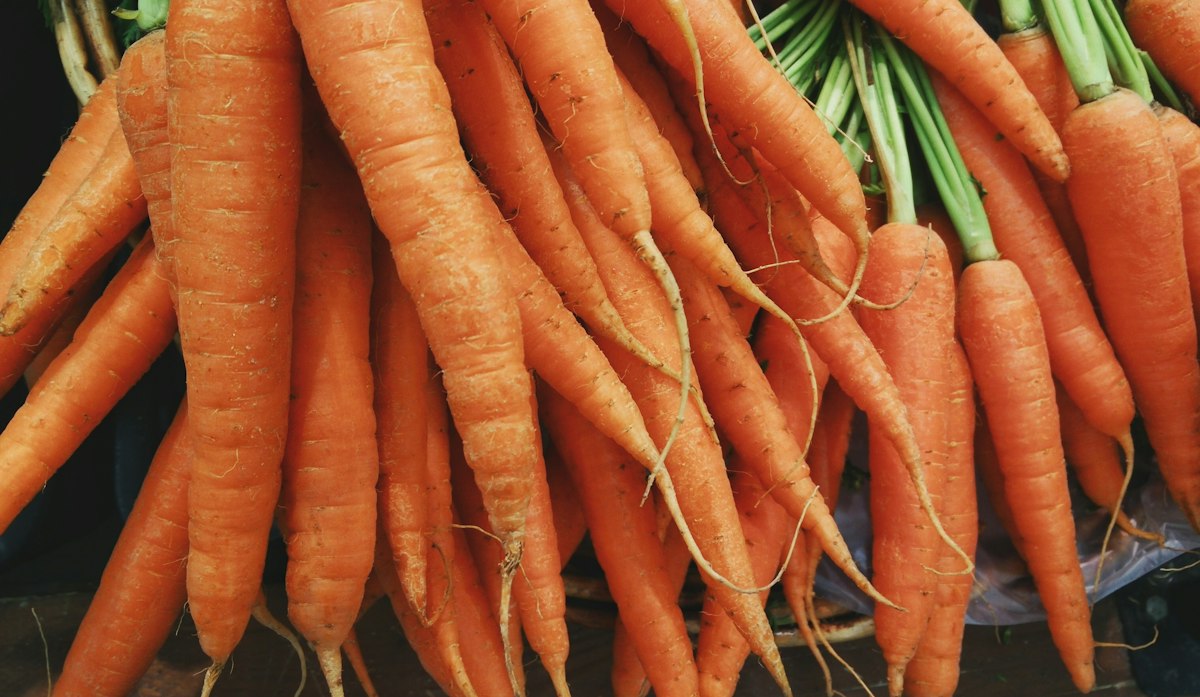
Original source illustration; may show a general food category.
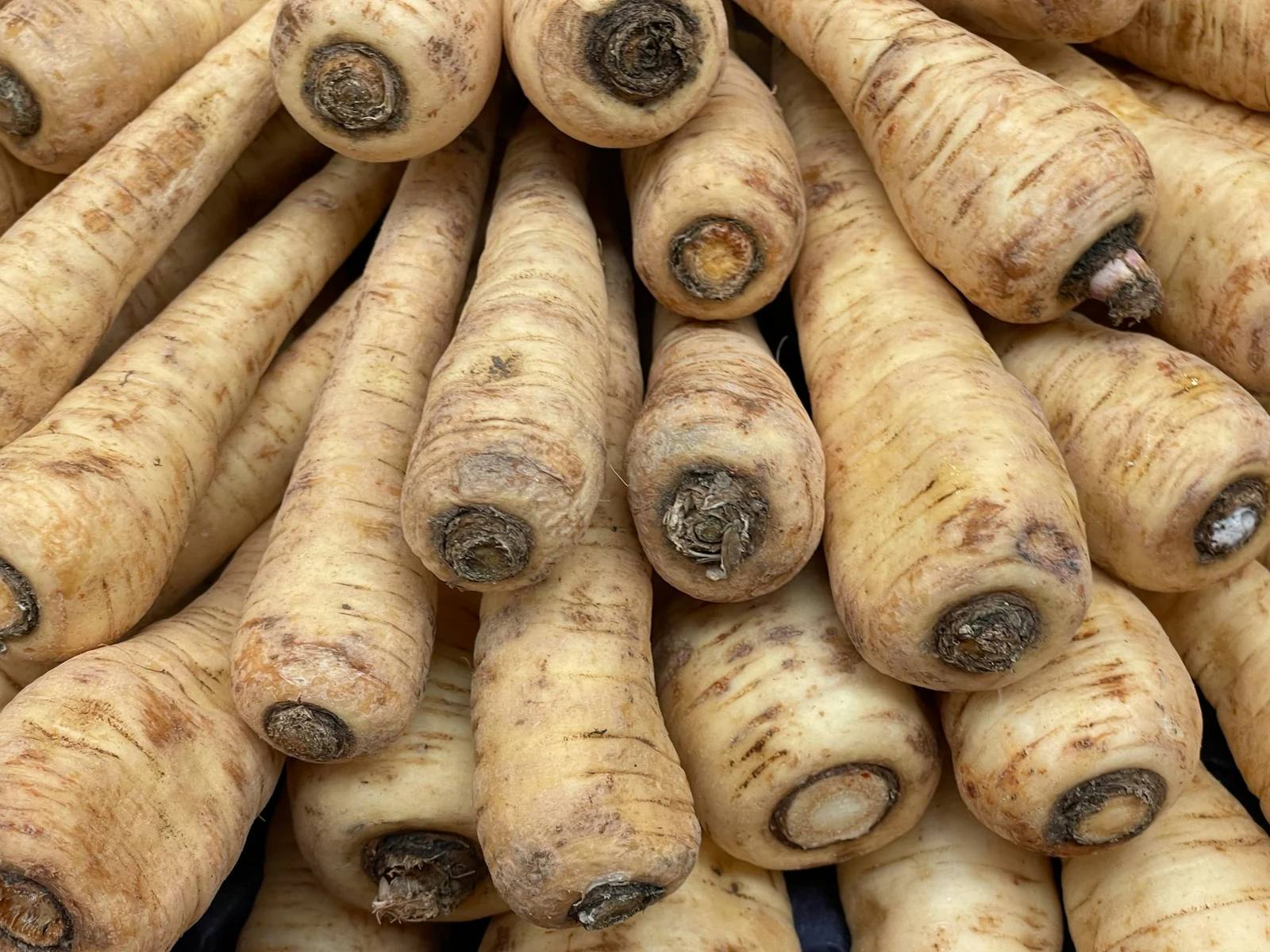
Parsnips are a biennial plant cultivated as an annual. The edible taproot is long and tapered, resembling a white carrot, and has a sweet, nutty flavor after frost exposure.
Country stock records are private to assigned managers.
Food-waste calculator
Estimate food you can keep out of the bin by using or sharing it.
Potential food saved1 kg
If you use or share 1 kg of Parsnip instead of discarding it, that is 1 kg kept out of the bin.
This uses only your entered amount. It does not claim measured waste reduction or convert pieces and packs into invented weights.
Parsnips are a biennial plant cultivated as an annual. The edible taproot is long and tapered, resembling a white carrot, and has a sweet, nutty flavor after frost exposure.
Origin & history
ancient uses: Used as food for both humans and livestock in ancient cultures.
region of origin: Mediterranean
country of origin: Turkey
historical timeline: year: 1000
event: Cultivation spread throughout Europe.
year: 1600
event: Parsnips became a staple food in England.
cultural significance: Commonly associated with winter comfort food in Europe.
domestication history: Initially wild, parsnips were cultivated by the ancient Romans and Greeks.
historical trade routes: Traded along Roman trade routes across the Mediterranean.
Growing & production
climate: Temperate climates are optimal.
rainfall: Moderate rainfall is ideal.
harvesting: Harvest in late fall or winter after frost.
irrigation: Regular watering during dry spells.
temperature: Thrives in temperatures between 10-20°C (50-68°F).
growing season: Typically spring to fall.
harvest period: Harvest from late fall until early spring.
growing regions: Europe
North America
Asia
pest management: Monitor for aphids and root maggots.
planting methods: Direct sow seeds into the soil.
soil requirements: Loose, well-drained soil rich in organic matter.
organic cultivation: Can be grown using sustainable practices.
fertilizer requirements: Needs nutrient-rich soil; use balanced fertilizers.
Nutrition draft
per 100g: fat g: 0.3
carbs g: 18
fiber g: 4.9
iron mg: 0.8
sugar g: 4.8
water g: 81
zinc mg: 0.5
calories: 75
protein g: 1.2
sodium mg: 10
calcium mg: 24
folate mcg: 67
magnesium mg: 21
potassium mg: 375
vitamin a iu: 0
vitamin c mg: 17
vitamin k mcg: 21
saturated fat g: 0.1
per serving: fat g: 0.3
carbs g: 18
calories: 75
protein g: 1.2
serving size: 100g
glycemic load: 9
glycemic index: 52
Nutrition notes
Parsnips are high in dietary fiber and beneficial in maintaining digestive health. Additionally, they are rich in vitamins and minerals that support overall health.
Health notes
major: Rich in fibre, vitamins A and C, folate, potassium and plant polyphenols.
Low in calories and high in water content — supports weight management and hydration.
Regular vegetable intake is linked to lower rates of cardiovascular disease and type 2 diabetes.
evidence: Consensus among USDA, NIH and WHO reviews is that parsnip contributes positively to a balanced eating pattern when consumed in appropriate portions.
Storage
freezing: Can be blanched and frozen.
shelf life: 3-5 weeks in refrigeration.
dry storage: Store in a cool, dark place for short periods.
refrigeration: Keep in a perforated bag in the fridge.
best practices: Avoid storing near apples or bananas.
common mistakes: Storing in closed plastic bags without ventilation.
storage methods: Refrigeration
Freezing
Dry storage
spoilage indicators: Soft spots
Wrinkled skin
Preparation
cutting: Slice into even pieces for uniform cooking.
peeling: Peel before cooking if desired, though skin is edible.
washing: Use cold water and a vegetable brush.
cleaning: Wash thoroughly to remove soil.
buying tips: Choose firm, smooth roots without blemishes.
cooking methods: Boiling
Roasting
Mashing
Steaming
freshness indicators: Firm to the touch, no soft spots.
seasonal buying guide: Best purchased from late fall to early spring.
Practical tips
**Cleaning**
Wash thoroughly to remove soil.
**Washing**
Use cold water and a vegetable brush.
**Peeling**
Peel before cooking if desired, though skin is edible.
**Cutting**
Slice into even pieces for uniform cooking.
Recipes
name: Parsnip Mash
tags: mashed
sides
parsnip
tips: Add garlic for extra flavor.
method: Peel and chop parsnips.
Boil in salted water until tender.
Drain and mash with butter and milk.
Season to taste.
region: England
country: United Kingdom
cuisine: British
servings: 4
cook time: 20 minutes
nutrition: fat: 5
carbs: 15
protein: 2
calories: 100
prep time: 10 minutes
chef notes: Goes well with roasted meats.
difficulty: Easy
description: A creamy mash made from boiled parsnips.
ingredients: 4 medium parsnips
2 tablespoons butter
Salt
Pepper
Milk to taste
recipe source: Traditional British recipes
suitable diets: Vegetarian
Transportation
humidity: Moderate humidity control required.
packaging: Loose in bins or packaged to prevent bruising.
shelf life: Several weeks in proper refrigeration.
shipping methods: Road transport primarily.
storage temperature: Best stored at 0-4°C (32-39°F).
cold chain requirements: Maintain cool temperatures to ensure freshness.
Sustainability
climate resilience: Relatively resilient to climate shifts.
sustainable farming: Encouraged but variable by farming practices.
environmental impact: Generally low, moderate input needed.
More about this food
Parsnips were a staple food in Europe before the introduction of the potato.
They are often said to taste sweeter after a frost.
Source references
url: https://fdc.nal.usda.gov
type: report
year: 2023
title: Nutrition Data for Parsnips
publisher: USDA
Kerala & United States locality guides
Regional guides; these links do not establish local product availability.

 Parsnips