Imported source research draft. Nutrition, health claims and linked references have not been independently verified.
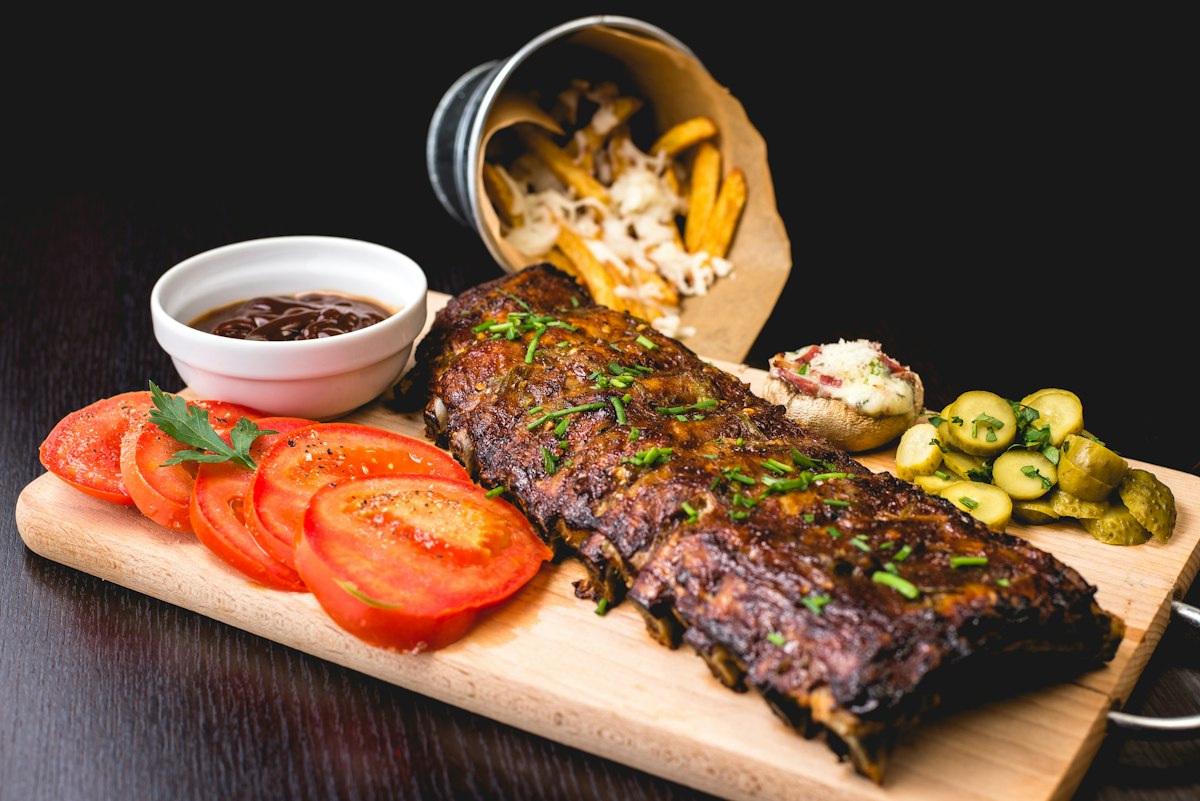
Original source illustration; may show a general food category.
Kobe beef is a highly sought-after type of beef produced from a specific breed of wagyu cattle raised in the Hyogo Prefecture of Japan. Renowned for its flavor, tenderness, and fatty marbling, Kobe beef has become synonymous with luxury culinary experiences.
Country stock records are private to assigned managers.
Food-waste calculator
Estimate food you can keep out of the bin by using or sharing it.
Potential food saved1 kg
If you use or share 1 kg of Kobe Beef instead of discarding it, that is 1 kg kept out of the bin.
This uses only your entered amount. It does not claim measured waste reduction or convert pieces and packs into invented weights.
Overview
Kobe beef is a highly sought-after type of beef produced from a specific breed of wagyu cattle raised in the Hyogo Prefecture of Japan. Renowned for its flavor, tenderness, and fatty marbling, Kobe beef has become synonymous with luxury culinary experiences.
Origin & history
ancient uses: Originally, Wagyu cattle were used as draft animals.
region of origin: Hyogo Prefecture
country of origin: Japan
historical timeline: year: 1868
event: The Meiji Restoration introduced Western styles of beef consumption.
year: 1951
event: Kobe beef was first branded specifically, gaining international fame.
cultural significance: Kobe beef is considered a national treasure in Japan.
domestication history: Wagyu cattle were originally bred for work and later for meat quality.
traditional importance: A delicacy often served on special occasions.
Growing & production
climate: Temperate, with four distinct seasons
rainfall: Moderate to high rainfall throughout the year
harvesting: Cattle are traditionally harvested at around 28 months of age.
temperature: Ideal temperatures vary between 10°C - 30°C
growing season: Year-round (cattle raised and bred)
growing regions: Hyogo Prefecture
soil requirements: Rich, fertile soil
Nutrition draft
per 100g: fat g: 30
carbs g: 0
fiber g: 0
iron mg: 2.6
sugar g: 0
water g: 62
zinc mg: 3
calories: 350
omega3 g: 0.5
omega6 g: 2.5
protein g: 26
sodium mg: 55
calcium mg: 18
folate mcg: 0
magnesium mg: 20
potassium mg: 250
vitamin a iu: 14
vitamin c mg: 0
vitamin k mcg: 0
saturated fat g: 12
per serving: fat g: 30
carbs g: 0
calories: 350
protein g: 26
serving size: 100g
Nutrition notes
Kobe beef is renowned for its flavor and tenderness, providing high-quality protein. It may help support muscle growth and repair due to rich amino acid profiles. However, its high fat content requires moderation in consumption.
Health notes
major: Excellent source of complete protein, heme iron, zinc and vitamin B12.
Supports muscle maintenance, immune function and cognitive health.
Choose leaner cuts and moderate portions for the best long-term health profile.
evidence: Consensus among USDA, NIH and WHO reviews is that kobe beef contributes positively to a balanced eating pattern when consumed in appropriate portions.
Storage
freezing: Best stored at -18°C or lower.
shelf life: 1-2 weeks in fridge, several months in freeze.
refrigeration: Maintain at 0°C to 4°C.
best practices: Keep sealed until ready to cook.
Avoid repeated thawing/freezing.
common mistakes: Leaving unrefrigerated for extended periods.
storage methods: Refrigeration
Freezing
spoilage indicators: Off smell
Color change
Preparation
cutting: Use a sharp knife for precise cuts.
washing: Rinse briefly under cold water if necessary.
cleaning: Pat dry with paper towels before cooking.
buying tips: Ensure certification of authenticity.
cooking methods: Grilling
Ribeye steaking
Pan-searing
freshness indicators: Bright red color
No odor
seasonal buying guide: Available year-round but best during specific festival seasons.
Practical tips
**Cleaning**
Pat dry with paper towels before cooking.
**Washing**
Rinse briefly under cold water if necessary.
**Cutting**
Use a sharp knife for precise cuts.
Recipes
name: Kobe Beef Steak
tags: beef
steak
kobe
japanese
tips: Let meat rest after cooking for best tenderness.
method: Let steaks come to room temperature and season with salt and pepper.
Heat butter in a skillet over medium-high heat.
Add garlic and thyme, then place the steaks in the pan.
Cook for 3-4 minutes per side for medium-rare.
Rest the steaks for 5 minutes before serving.
region: Hyogo
country: Japan
cuisine: Japanese
servings: 2
cook time: 20 mins
image url: https://example.com/kobe_beef_steak.jpg
nutrition: fat g: 57
calories: 700
protein g: 54
prep time: 15 mins
video url: https://example.com/kobe_beef_video.mp4
chef notes: Do not overcook Kobe beef as it leads to loss of flavor.
difficulty: Medium
description: A classic dish showcasing the delicate flavor and tenderness of Kobe beef.
ingredients: 2 steaks of Kobe beef
Salt
Pepper
Butter
Garlic
Thyme
youtube url: https://youtube.com/example
recipe source: Japanese Culinary Institute
suitable diets: Carnivore
Paleo
Transportation
humidity: 65-70% humidity recommended.
packaging: Vaccuum sealed or cryo-vacuum packaging recommended.
shelf life: Refrigerated: 1-2 weeks; frozen: several months.
export handling: Strict regulations and certifications required for export.
shipping methods: Airfreight for international shipments.
storage temperature: 0°C to 4°C for refrigerated storage.
cold chain requirements: Must be kept refrigerated or frozen at specific temperatures.
Sustainability
sustainable farming: Traditional rearing practices with potential for sustainability improvements.
environmental impact: High impact due to meat production.
More about this food
Kobe beef must come from Tajima cattle raised in Hyogo Prefecture.
The unique rearing practices include a diet that may consist of rice, barley, and forage.
Kobe beef has a strict grading system, with only a small percentage achieving the top A5 grade.
Source references
url: https://example.com/kobe_beef_quality
type: report
year: 2021
title: Kobe Beef: Authenticity and quality
authors: Tanaka et al.
publisher: Japan Agricultural Ministry
Kerala & United States locality guides
Regional guides; these links do not establish local product availability.