Imported source research draft. Nutrition, health claims and linked references have not been independently verified.
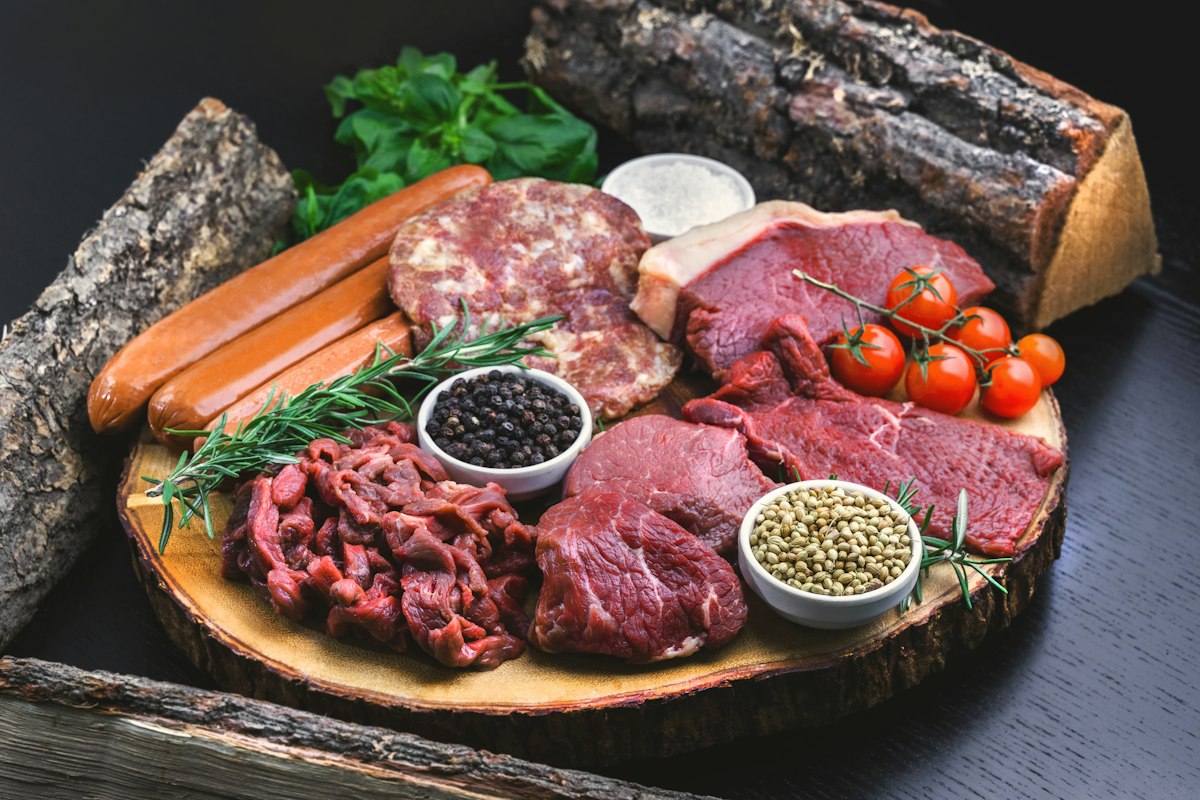
Original source illustration; may show a general food category.
Kangaroo mince is sourced from wild-caught kangaroos in Australia. It is known for its low fat content and high protein levels. This meat is a sustainable and healthy option that has gained popularity in recent years due to its environmental benefits and nutritional value.
Country stock records are private to assigned managers.
Food-waste calculator
Estimate food you can keep out of the bin by using or sharing it.
Potential food saved1 kg
If you use or share 1 kg of Kangaroo Mince instead of discarding it, that is 1 kg kept out of the bin.
This uses only your entered amount. It does not claim measured waste reduction or convert pieces and packs into invented weights.
Overview
Kangaroo mince is sourced from wild-caught kangaroos in Australia. It is known for its low fat content and high protein levels. This meat is a sustainable and healthy option that has gained popularity in recent years due to its environmental benefits and nutritional value.
Origin & history
ancient uses: Indigenous Australians used kangaroo meat for food, and every part of the animal was utilized in traditional practices.
region of origin: Various regions across Australia
country of origin: Australia
historical timeline: year: 1788
event: First European fleet arrives in Australia, beginning the exploitation of native wildlife.
year: 20th century
event: Increased hunting for food and leather led to more structured harvesting practices.
cultural significance: Kangaroo has significant cultural relevance for Indigenous Australians as a traditional source of food.
domestication history: Kangaroos are not domesticated animals. They are wild and have been hunted by Indigenous Australians for thousands of years.
traditional importance: It is part of the bush tucker cuisine, representing connection to land and culture.
Growing & production
climate: Varies by region but generally dry and open grasslands.
Kangaroo mince is a rich source of lean protein, low in fat, and contains essential minerals and vitamins. It promotes muscle health and may support weight management due to its high protein content. It is also rich in iron, supporting oxygen transport in the body. The omega-3 fatty acids found in kangaroo meat may support heart health. However, it should be consumed in moderation and avoided by those with specific allergies such as red meat allergies.
Health notes
major: Excellent source of complete protein, heme iron, zinc and vitamin B12.
Supports muscle maintenance, immune function and cognitive health.
Choose leaner cuts and moderate portions for the best long-term health profile.
evidence: Consensus among USDA, NIH and WHO reviews is that kangaroo mince contributes positively to a balanced eating pattern when consumed in appropriate portions.
Storage
freezing: Can be frozen for long-term storage.
shelf life: 3 days refrigerated, 6 months frozen.
refrigeration: Best consumed within a few days if refrigerated.
best practices: Avoid cross-contamination
Thaw in refrigerator
common mistakes: Leaving meat at room temperature too long
storage methods: Refrigeration
Freezing
spoilage indicators: Off smell
Slimy texture
Preparation
cutting: Use a clean cutting board and knife.
washing: Use clean equipment and surfaces to avoid contamination.
cleaning: Rinse under cold water before cooking.
buying tips: Look for bright red color and minimal fat marbling.
cooking methods: Grilling
Stir-frying
Baking
freshness indicators: Bright red color, firm texture.
seasonal buying guide: Best tasted in the cooler months.
Practical tips
**Cleaning**
Rinse under cold water before cooking.
**Washing**
Use clean equipment and surfaces to avoid contamination.
**Cutting**
Use a clean cutting board and knife.
Recipes
name: Kangaroo Meatballs
tags: meatballs
kangaroo
healthy
tips: Serve with pasta or salad.
method: Preheat oven to 180°C.
In a bowl, mix all ingredients.
Form into meatballs.
Place on a baking tray and bake for 20 mins.
region: Various
country: Australia
cuisine: Australian
servings: 4
cook time: 20 mins
image url: https://example.com/kangaroo_meatballs.jpg
prep time: 15 mins
chef notes: Great for a healthy dinner option.
difficulty: Easy
description: Delicious kangaroo meatballs served with a tangy tomato sauce.
ingredients: 500g kangaroo mince
1 egg
1 onion, diced
2 cloves garlic, minced
1 cup breadcrumbs
Salt and pepper to taste
recipe source: Australian Gourmet
suitable diets: Low-carb
High-protein
Transportation
packaging: Vacuum sealed or in modified atmosphere packaging.
shelf life: Can last up to 3 days refrigerated; up to 6 months frozen.
shipping methods: Refrigerated trucks or air freight for international shipping.
storage temperature: Keep refrigerated at 0-4°C.
cold chain requirements: Essential to maintain freshness, should be kept under 4°C.
Sustainability
climate resilience: Kangaroos adapted to various Australian climates.
sustainable farming: Wild harvested sustainably, contributing to ecological balance.
environmental impact: Lower than cattle, considered a more sustainable option.
carbon footprint kgco2e per kg: 0.5
More about this food
Kangaroo is considered a red meat but is much leaner than beef.
It has a high omega-3 fatty acid content, which is beneficial for heart health.
Source references
url: https://example.com/nutrition-kangaroo
type: report
year: 2021
title: Nutritional Analysis of Kangaroo Meat
authors: Dietitians Australia
publisher: Australian Dietary Guidelines
Kerala & United States locality guides
Regional guides; these links do not establish local product availability.