Imported source research draft. Nutrition, health claims and linked references have not been independently verified.
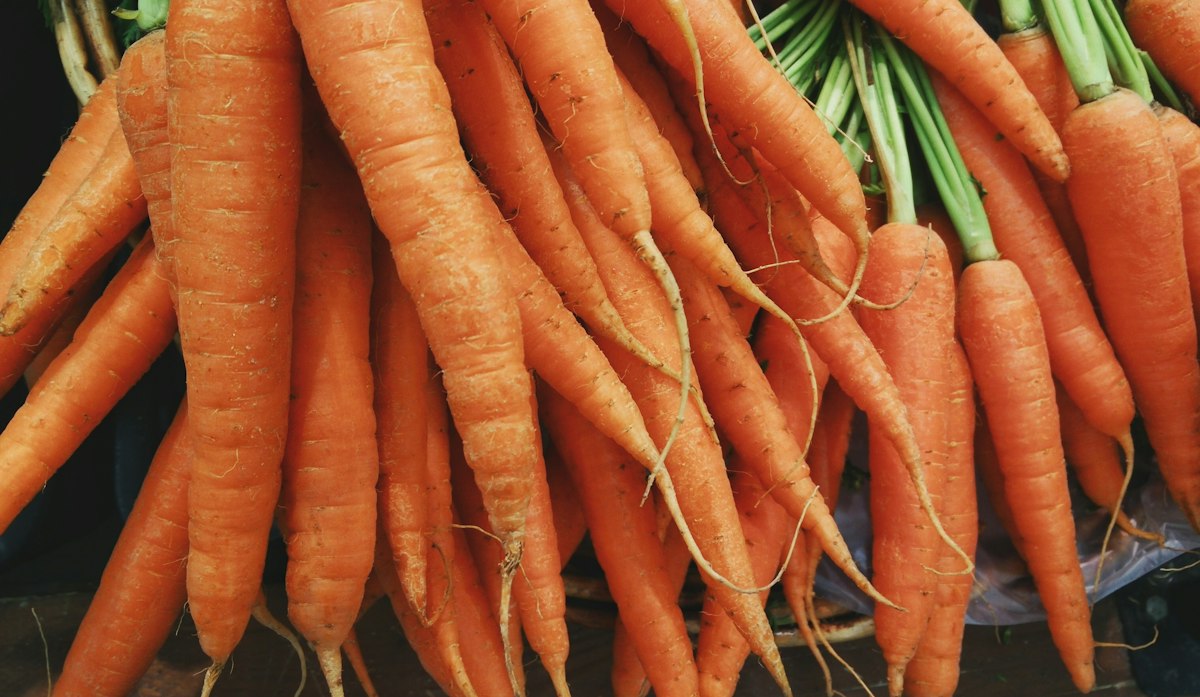
Original source illustration; may show a general food category.
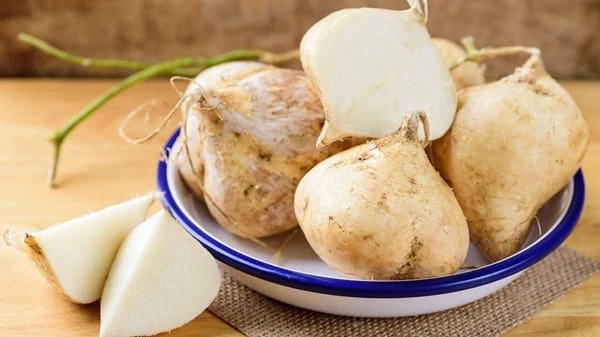
Jicama is a root vegetable with a brown, papery skin and crisp, juicy white flesh. It has a mild flavor, reminiscent of apples or pears, and is often used in salads and salsas.
Country stock records are private to assigned managers.
Food-waste calculator
Estimate food you can keep out of the bin by using or sharing it.
Potential food saved1 kg
If you use or share 1 kg of Jicama instead of discarding it, that is 1 kg kept out of the bin.
This uses only your entered amount. It does not claim measured waste reduction or convert pieces and packs into invented weights.
Jicama is a root vegetable with a brown, papery skin and crisp, juicy white flesh. It has a mild flavor, reminiscent of apples or pears, and is often used in salads and salsas.
Origin & history
ancient uses: Used by ancient Mesoamerican civilizations as a food source.
region of origin: Central America
country of origin: Mexico
historical timeline: year: 1500
event: Introduced to Europe by Spanish explorers.
year: 1800
event: Became popular in culinary dishes.
cultural significance: Considered a staple food in many Latin American diets.
domestication history: Domesticated by indigenous people in the region thousands of years ago.
traditional importance: Used in traditional dishes, especially in Mexican cuisine.
historical trade routes: Traded along early trade routes between the Americas and Europe.
Growing & production
climate: Warm, tropical to subtropical
rainfall: Moderate rainfall during growing season
harvesting: Harvested when tubers reach about 5-10 cm in diameter
irrigation: Requires moderate irrigation, avoid waterlogging
temperature: Optimal growth at 20-30°C (68-86°F)
growing season: Spring to summer
harvest period: 70-150 days after planting
yield per acre: 10-25 tons
growing regions: Mexico
Central America
the Southern United States
pest management: May require pest controls for beetles and aphids.
planting methods: Seeds planted in spring after the last frost
soil requirements: Well-drained, sandy or loamy soil
organic cultivation: Possible with integrated pest management and organic inputs.
fertilizer requirements: Needs balanced fertilization; organic fertilizers as preferred
Nutrition draft
per 100g: fat g: 0.1
carbs g: 9.8
fiber g: 4.9
iron mg: 0.57
sugar g: 1.7
water g: 92.5
zinc mg: 0.17
calories: 38
protein g: 0.72
sodium mg: 5
calcium mg: 18
folate mcg: 23
magnesium mg: 12
potassium mg: 429
vitamin c mg: 20.2
vitamin k mcg: 1.6
saturated fat g: 0
per serving: fat g: 0.1
carbs g: 9.8
calories: 38
protein g: 0.72
serving size: 100g
glycemic load: 1
glycemic index: 15
Nutrition notes
Jicama is a low-calorie food rich in fiber, which can assist with digestion and promote weight loss. It also contains vitamin C, which supports the immune system and may help prevent chronic diseases. The antioxidants in jicama can combat oxidative stress, making it a beneficial addition to a healthful diet.
Health notes
major: Rich in fibre, vitamins A and C, folate, potassium and plant polyphenols.
Low in calories and high in water content — supports weight management and hydration.
Regular vegetable intake is linked to lower rates of cardiovascular disease and type 2 diabetes.
evidence: Consensus among USDA, NIH and WHO reviews is that jicama contributes positively to a balanced eating pattern when consumed in appropriate portions.
Storage
shelf life: 3-4 weeks
dry storage: Best stored dry at cool temperatures.
refrigeration: Can store in fridge for up to 3 weeks.
best practices: Keep in a cool place
Avoid direct sunlight
common mistakes: Storing in a damp environment
Ignoring soft spots
storage methods: Cool, dark place
Refrigeration
spoilage indicators: Softening
Darkening skin
Unpleasant odor
Preparation
cutting: Cut into sticks, cubes, or slices for serving.
peeling: Peel the skin with a vegetable peeler.
washing: Rinse thoroughly before peeling.
cleaning: Wash under cold running water to remove dirt.
buying tips: Select firm, heavy tubers with unblemished skin.
cooking methods: Raw
Sautéing
Stir-frying
freshness indicators: Firm texture
Smooth skin
seasonal buying guide: Best bought in late winter to early summer.
Practical tips
**Cleaning**
Wash under cold running water to remove dirt.
**Washing**
Rinse thoroughly before peeling.
**Peeling**
Peel the skin with a vegetable peeler.
**Cutting**
Cut into sticks, cubes, or slices for serving.
Recipes
name: Jicama Salad
tags: salad
fresh
crispy
tips: Add chili powder for a spicy kick.
method: Peel and julienne jicama and carrots.
Mix in a bowl.
Drizzle with lime juice and salt.
region: Various
country: Mexico
cuisine: Mexican
servings: 4
cook time: 0 minutes
image url: https://example.com/jicama_salad.jpg
nutrition: fat: 0.1
carbs: 11
protein: 1.1
calories: 45
prep time: 15 minutes
chef notes: Choose firm jicamas for the best texture.
difficulty: Easy
description: A refreshing salad with crunchy jicama, carrots, and lime dressing.
ingredients: 1 jicama
2 carrots
1 lime
Salt to taste
recipe source: Traditional Mexican cuisine
suitable diets: Vegan
Gluten-free
Transportation
humidity: 60-70% relative humidity
packaging: Packed in ventilated crates or boxes.
shelf life: 3-4 weeks under proper conditions.
shipping methods: Primarily by truck and plane.
storage temperature: 10-15°C (50-59°F)
cold chain requirements: Not strict; can be stored at ambient temperatures.
Sustainability
climate resilience: Adaptable to varied climates, enhancing food security.
sustainable farming: Promoting organic farming practices enhances sustainability.
environmental impact: Low; contributes positively when grown sustainably.
organic certification: Available.
pollinator importance: Supports local biodiversity.
regenerative agriculture: Encouraged for long-term land health.
More about this food
Jicama is often referred to as a 'Mexican turnip'.
It is low in calories and high in fiber, making it a popular snack.
Source references
url: https://fdc.nal.usda.gov/fdc-app.html#/food-details/169062/nutrients
type: report
title: Nutritional Value of Jicama
publisher: USDA
Kerala & United States locality guides
Regional guides; these links do not establish local product availability.

 Jicama - Mexican Yam Bean