Imported source research draft. Nutrition, health claims and linked references have not been independently verified.
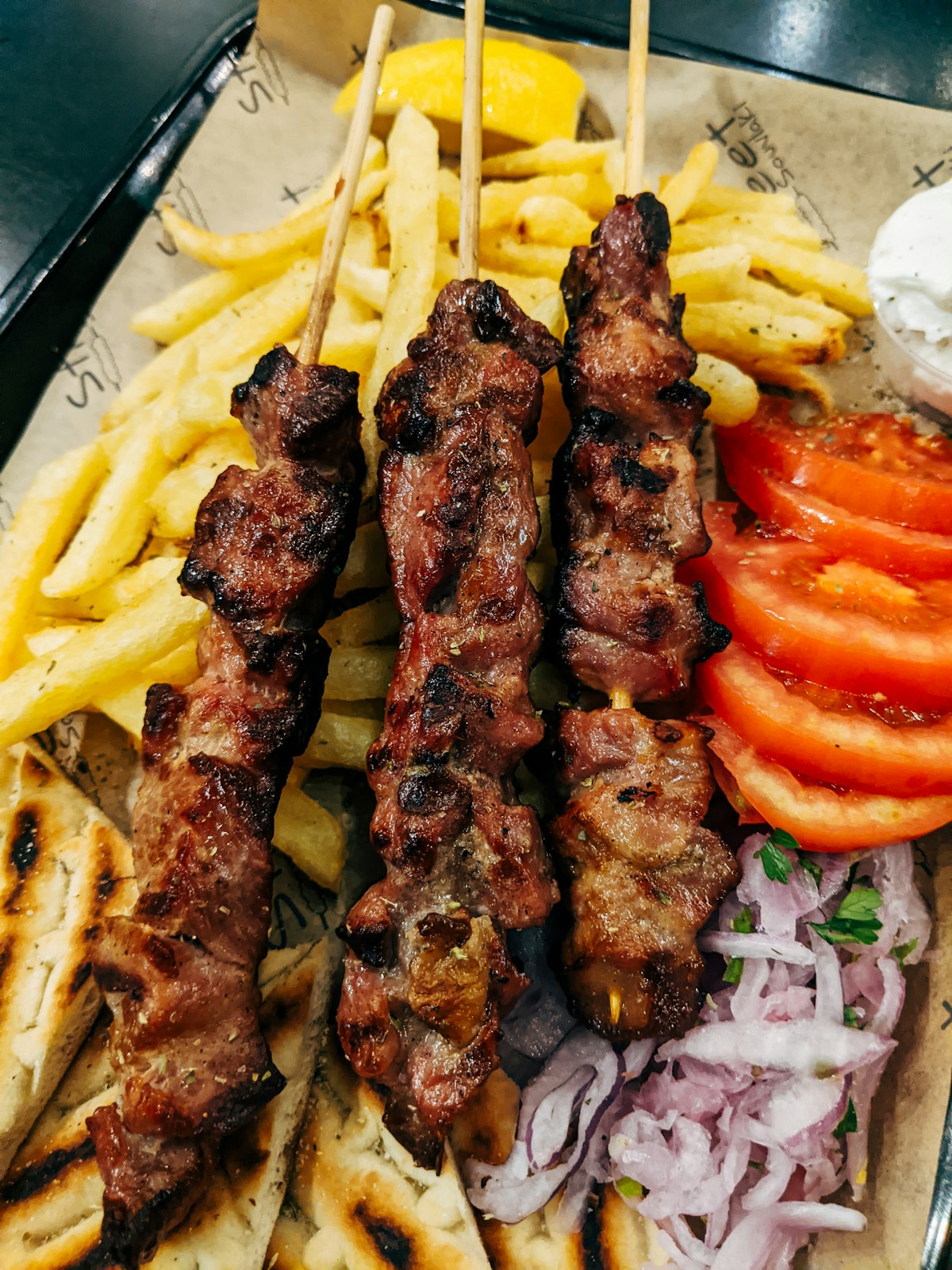
Original source illustration; may show a general food category.
Grass-fed beef is derived from cattle that have grazed on grass and forage rather than being fed grains. This method of raising cattle is believed to provide healthier meat options with a distinct flavor profile.
Country stock records are private to assigned managers.
Food-waste calculator
Estimate food you can keep out of the bin by using or sharing it.
Potential food saved1 kg
If you use or share 1 kg of Grass-Fed Beef instead of discarding it, that is 1 kg kept out of the bin.
This uses only your entered amount. It does not claim measured waste reduction or convert pieces and packs into invented weights.
Overview
Grass-fed beef is derived from cattle that have grazed on grass and forage rather than being fed grains. This method of raising cattle is believed to provide healthier meat options with a distinct flavor profile.
Origin & history
ancient uses: Used for meat, milk, and labor.
region of origin: North America
country of origin: United States
historical timeline: event: Introduction of grass-fed practices in modern ranching.
cultural significance: Grass-fed beef is often associated with sustainable agriculture and natural farming practices.
domestication history: Cattle were domesticated around 10,000 years ago in the Near East.
Growing & production
climate: Temperate to tropical climates suitable for grazing.
rainfall: Moderate rainfall needed for grass growth.
harvesting: Cattle are moved to new pastures as needed.
irrigation: Supplemental irrigation may be necessary in dry seasons.
temperature: Ideal temperatures range from 60°F to 85°F.
growing season: Spring through fall.
harvest period: Year-round, but varies by region.
growing regions: North America
South America
Australia
Europe
pest management: Rotational grazing helps manage pests naturally.
planting methods: Pastures are seeded with a mixture of grass species.
soil requirements: Well-draining soil with adequate nutrients.
organic cultivation: Many farmers utilize organic methods in raising grass-fed cattle.
fertilizer requirements: Natural fertilizers like manure are often used.
Grass-fed beef is rich in omega-3 fatty acids and has a better fat profile compared to grain-fed beef. It may also be linked to improved heart health due to its higher levels of beneficial fats.
Health notes
major: Excellent source of complete protein, heme iron, zinc and vitamin B12.
Supports muscle maintenance, immune function and cognitive health.
Choose leaner cuts and moderate portions for the best long-term health profile.
evidence: Consensus among USDA, NIH and WHO reviews is that grass-fed beef contributes positively to a balanced eating pattern when consumed in appropriate portions.
Storage
freezing: Can be frozen for long-term storage.
shelf life: Variable based on storage method.
refrigeration: Refrigerate promptly after purchase.
best practices: Use within recommended time frames
Keep at consistent temperatures
common mistakes: Not sealing properly when freezing
Leaving at room temperature for too long
storage methods: Refrigeration
Freezing
spoilage indicators: Off smell
Dull color
Preparation
cutting: Cut against the grain for tenderness.
washing: Wash hands and surfaces before and after handling.
cleaning: Rinse before cooking if needed.
buying tips: Look for certified grass-fed labels.
cooking methods: Grilling
Roasting
Searing
freshness indicators: Bright red color
No strong odor
seasonal buying guide: Best purchased during local growing seasons.
Practical tips
**Cleaning**
Rinse before cooking if needed.
**Washing**
Wash hands and surfaces before and after handling.
**Cutting**
Cut against the grain for tenderness.
Recipes
name: Grass-Fed Beef Tacos
tags: beef
tacos
easy
tips: Use fresh vegetables for the best flavor.
method: Cook the ground beef with onion until browned.
Fill taco shells with beef mixture and top with tomatoes, lettuce, cheese, and salsa.
region: Northern Mexico
country: Mexico
cuisine: Mexican
servings: 4
cook time: 20 minutes
image url: https://example.com/tacos.jpg
nutrition: fat: 15
protein: 25
calories: 300
prep time: 15 minutes
chef notes: For extra flavor, marinate the beef before cooking.
difficulty: Easy
description: Delicious tacos made with grass-fed beef and fresh toppings.
ingredients: 400g grass-fed ground beef
8 taco shells
1 onion, chopped
2 tomatoes, diced
Lettuce, shredded
Cheese, grated
Salsa
recipe source: Family Recipe
suitable diets: Gluten-Free
Transportation
packaging: Insulated packaging recommended for transportation.
shelf life: 1-2 weeks refrigerated; up to 6 months frozen.
shipping methods: Refrigerated trucks preferred.
storage temperature: Below 40°F.
cold chain requirements: Essential to maintain quality and safety.
transportation constraints: Regulations regarding beef import/export must be followed.
Sustainability
climate resilience: Grass-based systems better adapt to climate variability.
land use m2 per kg: 25
sustainable farming: Grass-fed farming promotes better land use and animal welfare.
environmental impact: Lower than conventional feedlot practices due to natural grazing.
organic certification: Possible depending on farm practices.
pollinator importance: Supports local ecosystems.
regenerative agriculture: Often practised in grass-fed operations.
water footprint l per kg: 1500
carbon footprint kgco2e per kg: 10
More about this food
Grass-fed beef is often lower in fat than grain-fed beef.
It is considered more sustainable due to the natural grazing practices.
Source references
url: https://example.com/article
type: journal
year: 2022
title: Nutrition of Grass-Fed Beef
authors: Smith et al.
publisher: Journal of Animal Science
Kerala & United States locality guides
Regional guides; these links do not establish local product availability.