Imported source research draft. Nutrition, health claims and linked references have not been independently verified.
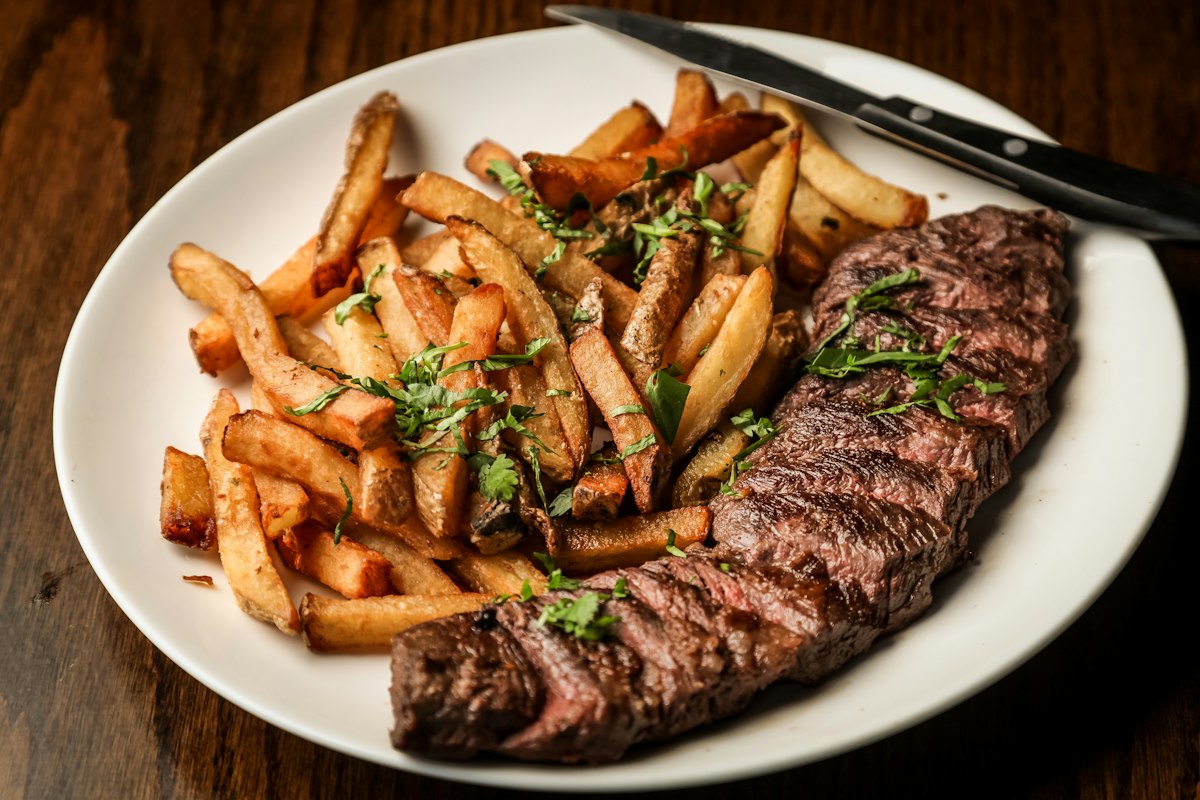
Original source illustration; may show a general food category.
Goose legs are known for their dark meat, which is juicy and flavorful. They are a popular ingredient in various cuisines, particularly in Europe, where they are often slow-cooked or roasted.
Country stock records are private to assigned managers.
Food-waste calculator
Estimate food you can keep out of the bin by using or sharing it.
Potential food saved1 kg
If you use or share 1 kg of Goose Legs instead of discarding it, that is 1 kg kept out of the bin.
This uses only your entered amount. It does not claim measured waste reduction or convert pieces and packs into invented weights.
Overview
Goose legs are known for their dark meat, which is juicy and flavorful. They are a popular ingredient in various cuisines, particularly in Europe, where they are often slow-cooked or roasted.
Origin & history
ancient uses: Used for meat, fat, and feathers.
region of origin: Asia
country of origin: China
historical timeline: year: 3000
event: Geese are mentioned in Chinese writings as domesticated birds.
year: 1000
event: Geese farming spreads across Europe.
cultural significance: In some cultures, goose is associated with fertility and prosperity.
domestication history: Geese were domesticated from wild geese more than 2000 years ago.
traditional importance: Goose legs are often prepared during festive seasons.
historical trade routes: Geese were traded along the Silk Road.
Growing & production
climate: Temperate to cool climates are preferred.
rainfall: Moderate rainfall is beneficial for pasture.
harvesting: Typically harvested at 4-5 months of age.
temperature: Optimal range is between 15°C to 20°C.
soil requirements: Good drainage is essential.
organic cultivation: Possible with proper management.
fertilizer requirements: Organic fertilizers can benefit pasture health.
Nutrition draft
per 100g: fat g: 27
carbs g: 0
fiber g: 0
iron mg: 2.5
sugar g: 0
water g: 60
zinc mg: 3
calories: 335
omega3 g: 0.1
omega6 g: 0.2
protein g: 25
sodium mg: 70
calcium mg: 10
folate mcg: 0
magnesium mg: 18
potassium mg: 200
vitamin a iu: 130
vitamin c mg: 0
vitamin k mcg: 0
saturated fat g: 8
per serving: fat g: 30
carbs g: 0
calories: 400
protein g: 30
serving size: 1 leg
Nutrition notes
Goose legs are rich in protein and provide essential fatty acids, which support energy levels and overall health. They are also a source of important minerals such as zinc and iron, which are crucial for immune function and energy metabolism.
Health notes
major: Lean, complete protein — supports muscle, bone and skin health.
Good source of niacin, vitamin B6, phosphorus and selenium.
Skinless cuts keep saturated fat low without sacrificing flavour.
evidence: Consensus among USDA, NIH and WHO reviews is that goose legs contributes positively to a balanced eating pattern when consumed in appropriate portions.
Storage
freezing: Freeze in airtight packaging for longer storage.
shelf life: 7 days in the refrigerator; 6 months in the freezer.
refrigeration: Store in the coldest part of the refrigerator.
best practices: Do not freeze multiple times.
Use within expiration date.
common mistakes: Storing in non-airtight packaging.
storage methods: Refrigeration
Freezing
spoilage indicators: Off odor
Slimy texture
Preparation
cutting: Cut along the joints for serving.
washing: Using a vegetable brush can help remove impurities.
cleaning: Rinse under cold water to remove any residual feathers.
buying tips: Look for legs with deep color and firm texture.
cooking methods: Roasting
Braised
Grilled
freshness indicators: Bright skin; no off odors.
seasonal buying guide: Best purchased during fall and winter months.
Practical tips
**Cleaning**
Rinse under cold water to remove any residual feathers.
**Washing**
Using a vegetable brush can help remove impurities.
**Cutting**
Cut along the joints for serving.
Recipes
name: Braised Goose Legs
tags: goose
braised
German cuisine
tips: Best served with mashed potatoes.
method: Season legs with salt and pepper.
Sear in a pan until browned.
Add onions and garlic, sauté until soft.
Pour in wine and herbs, simmer for 2 hours.
region: Bavaria
country: Germany
cuisine: German
servings: 4
cook time: 2 hours
prep time: 15 min
chef notes: Allow to rest before serving.
difficulty: Medium
description: Tender goose legs braised in red wine and herbs.
ingredients: 2 goose legs
1 bottle red wine
2 onions
4 cloves garlic
herbs de Provence
salt
pepper
recipe source: Traditional family recipe
suitable diets: Gluten-free
Transportation
packaging: Vacuum sealing is preferred.
shelf life: Up to 1 week refrigerated.
shipping methods: Air transport is common for international shipping.
storage temperature: 0°C to 4°C.
cold chain requirements: Necessary to maintain quality.
Sustainability
sustainable farming: Promotes free-range practices.
environmental impact: Minimal if sourced locally.
regenerative agriculture: Investments in local farmers can encourage sustainable practices.
More about this food
Goose legs have a higher fat content compared to other poultry, which makes them particularly flavorful.
In some cultures, goose legs are associated with traditional holiday recipes.