Imported source research draft. Nutrition, health claims and linked references have not been independently verified.
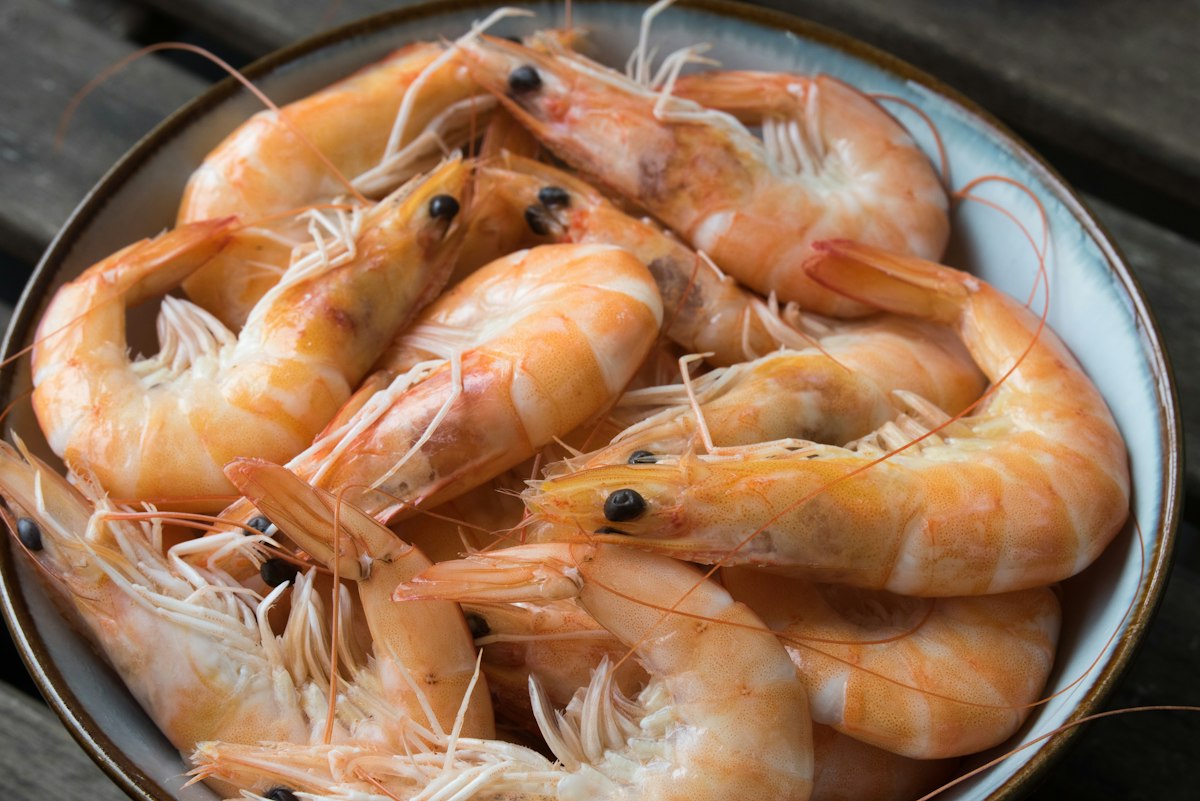
Original source illustration; may show a general food category.
The Giant Freshwater Prawn is one of the largest species of freshwater shrimp that can grow up to a foot in length. It is characterized by its distinctive long claws and high economic value in aquaculture and fisheries.
Country stock records are private to assigned managers.
Food-waste calculator
Estimate food you can keep out of the bin by using or sharing it.
Potential food saved1 kg
If you use or share 1 kg of Giant Freshwater Prawn instead of discarding it, that is 1 kg kept out of the bin.
This uses only your entered amount. It does not claim measured waste reduction or convert pieces and packs into invented weights.
Overview
The Giant Freshwater Prawn is one of the largest species of freshwater shrimp that can grow up to a foot in length. It is characterized by its distinctive long claws and high economic value in aquaculture and fisheries.
Origin & history
ancient uses: Historically consumed by coastal communities and used in traditional cuisines.
region of origin: Southeast Asia
country of origin: Bangladesh
historical timeline: year: 1970
event: Introduction of farming practices in Southeast Asia.
cultural significance: Considered a delicacy in many Asian cultures.
domestication history: Domesticated in aquaculture since the 1970s.
traditional importance: Deeply rooted in the culture and economy of many Southeast Asian countries.
historical trade routes: Trade routes through rivers and seas in Southeast Asia.
Growing & production
climate: Tropical to subtropical
diseases: Vibrio infection
White spot syndrome
rainfall: Moderate rainfall
harvesting: Netting and trapping methods after 6-8 months of growth.
irrigation: Natural water systems and artificial ponds.
temperature: Optimal growth at 25-30°C
growing season: Year-round in tropical regions.
harvest period: 6-8 months after stocking.
yield per acre: 1000-1500 kg.
growing regions: Southeast Asia
India
Bangladesh
Thailand
pest management: Regular monitoring and use of integrated pest management techniques.
planting methods: Pond culture and riverine culture.
soil requirements: Loamy soil preferred for farming.
organic cultivation: Practices adopted in some regions to enhance sustainability.
fertilizer requirements: Organic and inorganic fertilizers used to enhance growth.
Giant Freshwater Prawn is low in calories and high in protein which makes it an excellent food choice for weight management. It contains essential amino acids and minerals that support various bodily functions including muscle growth, bone health, and immune function. Rich in omega-3 fatty acids, it may help in reducing inflammation and promoting heart health.
Health notes
major: Exceptional source of zinc, iron, copper, iodine and vitamin B12.
Very lean, complete protein with minimal saturated fat.
Regular moderate intake supports thyroid, immune and cognitive function.
evidence: Consensus among USDA, NIH and WHO reviews is that giant freshwater prawn contributes positively to a balanced eating pattern when consumed in appropriate portions.
Storage
freezing: Can be frozen for long-term storage.
shelf life: 1-2 days in fresh conditions.
refrigeration: Store at 0-4°C for freshness.
best practices: Keep in original packaging
Consume quickly
common mistakes: Leaving in open air
Inadequate refrigeration
storage methods: Refrigeration
Freezing
Dry storage
spoilage indicators: Off smell
Changes in color
Slime formation
Preparation
cutting: Cut along the back to remove the intestinal tract.
peeling: Remove the shell by pulling from the head down.
washing: Submerge in saltwater to clean dirt.
cleaning: Rinse under cold water thoroughly.
buying tips: Look for firm body and intact shells.
Avoid global captures.
cooking methods: Boiling
Grilling
Frying
Steaming
freshness indicators: Bright translucent shells
No off odor.
seasonal buying guide: Best bought during peak seasons of local production.
Practical tips
**Cleaning**
Rinse under cold water thoroughly.
**Washing**
Submerge in saltwater to clean dirt.
**Peeling**
Remove the shell by pulling from the head down.
**Cutting**
Cut along the back to remove the intestinal tract.
Recipes
name: Spicy Prawn Curry
tags: Curry
Spicy
Prawn
Seafood
tips: Serve with rice for a complete meal.
method: Heat oil in a pan, add chopped onions.
Add spices and tomatoes, cook until soft.
Stir in coconut milk and prawns, cook until done.
region: West Bengal
country: India
cuisine: Indian
servings: 4
cook time: 30 minutes
image url: https://example.com/image.jpg
nutrition: fat: 10
carbs: 20
protein: 25
calories: 250
prep time: 20 minutes
video url: https://example.com/recipevideo
chef notes: This recipe can be adjusted for spice level.
difficulty: Medium
description: A fiery and flavorful curry made with tender prawns and a blend of Indian spices.
ingredients: Giant Freshwater Prawn
Coconut milk
Onions
Tomatoes
Spices
youtube url: https://youtube.com/examplevideo
recipe source: Traditional Indian Cuisine
suitable diets: Gluten-free
Dairy-free
Transportation
packaging: Plastic containers with ice or gel packs.
shelf life: 1-2 days under refrigeration.
export handling: Strict regulations to ensure quality during export.
shipping methods: Air freight for international, truck for local.
storage temperature: 0-4°C
cold chain requirements: Essential for maintaining freshness.
transportation constraints: Requires quick transportation to avoid spoilage.
Sustainability
climate resilience: Adapted to changing climate conditions.
sustainable farming: Practices encouraging environmental balance and water conservation.
environmental impact: Aquaculture impacts can be mitigated with proper management.
regenerative agriculture: Recognizing importance but limited practices.
water footprint l per kg: 1500
carbon footprint kgco2e per kg: 3.5
More about this food
They can adapt to different salinity levels in water.
Often farmed in Southeast Asia for their economic importance.
Source references
url: http://www.fao.org/
type: report
year: 2020
title: Aquaculture Practices in Freshwater Prawn Farming
authors: Food and Agriculture Organization
publisher: FAO
Kerala & United States locality guides
Regional guides; these links do not establish local product availability.