Imported source research draft. Nutrition, health claims and linked references have not been independently verified.
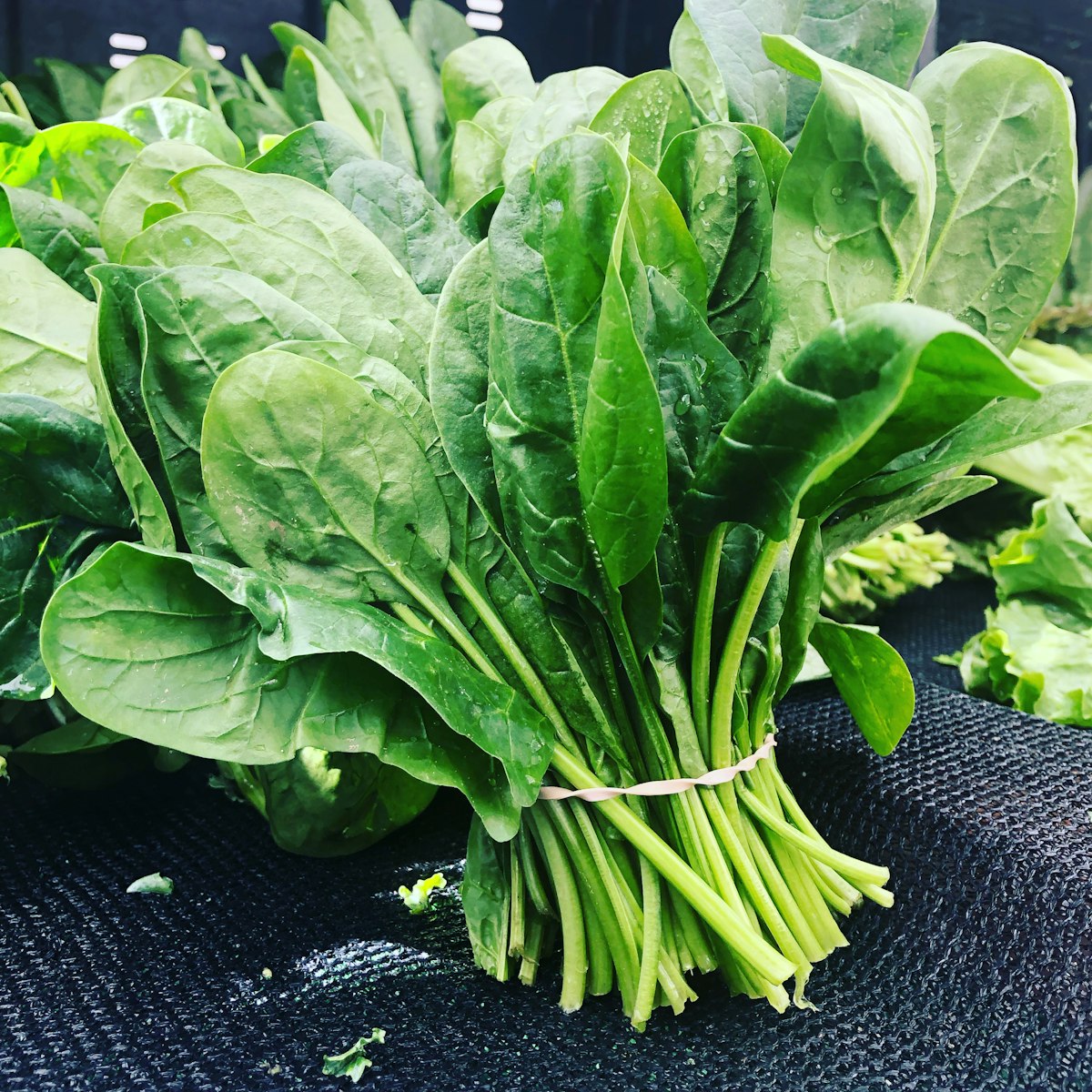
Original source illustration; may show a general food category.
Escarole is a variety of endive characterized by its broad, curly leaves and slightly bitter flavor. It is often used in salads or cooked in various dishes.
Country stock records are private to assigned managers.
Food-waste calculator
Estimate food you can keep out of the bin by using or sharing it.
Potential food saved1 kg
If you use or share 1 kg of Escarole instead of discarding it, that is 1 kg kept out of the bin.
This uses only your entered amount. It does not claim measured waste reduction or convert pieces and packs into invented weights.
Overview
Escarole is a variety of endive characterized by its broad, curly leaves and slightly bitter flavor. It is often used in salads or cooked in various dishes.
Origin & history
ancient uses: Used for culinary and medicinal purposes.
region of origin: Southern Europe
country of origin: Mediterranean region
historical timeline: year: 1000 BC
event: Cultivation in ancient Egypt.
year: 500 AD
event: Used by Romans in cooking.
cultural significance: Escarole is recognized in Mediterranean cuisines and traditional dishes.
domestication history: Originally cultivated by the ancient Egyptians and Romans.
traditional importance: Commonly used in Italian and French cooking.
historical trade routes: Trade routes across Europe spread its cultivation.
Growing & production
climate: Cool, temperate climates.
diseases: Downy mildew
Root rot
rainfall: Moderate rainfall, approximately 25-30 inches per year.
harvesting: Cut at the base when leaves are mature.
irrigation: Regular irrigation during dry periods.
temperature: Optimal growth at 15-20°C (59-68°F).
growing season: Spring and fall.
harvest period: 70-90 days after planting.
yield per acre: Approximately 20,000 to 30,000 pounds.
growing regions: Mediterranean
Western Europe
North America
pest management: Control aphids and slugs using organic pesticides.
planting methods: Direct seeding or transplanting seedlings.
soil requirements: Well-drained, fertile soil.
organic cultivation: Possible, with crop rotation and natural fertilizers.
fertilizer requirements: Fertile soil with added nitrogen.
Nutrition draft
per 100g: fat g: 0.2
carbs g: 3.4
fiber g: 1.2
iron mg: 0.4
sugar g: 1
water g: 94.1
zinc mg: 0.2
calories: 17
protein g: 1.2
sodium mg: 5
calcium mg: 36
folate mcg: 162
magnesium mg: 9
potassium mg: 114
vitamin a iu: 500
vitamin c mg: 6
vitamin k mcg: 230
saturated fat g: 0
per serving: fat g: 0.2
carbs g: 3.4
calories: 17
protein g: 1.2
serving size: 100g
antioxidants: Beta carotene
Lutein
glycemic load: 1
glycemic index: 15
phytochemicals: Chlorogenic acid
Nutrition notes
Escarole is low in calories but high in vitamins A, C, and K. Its high fiber content aids digestion, while antioxidants may reduce inflammation and oxidative stress.
Health notes
major: Rich in fibre, vitamins A and C, folate, potassium and plant polyphenols.
Low in calories and high in water content — supports weight management and hydration.
Regular vegetable intake is linked to lower rates of cardiovascular disease and type 2 diabetes.
evidence: Consensus among USDA, NIH and WHO reviews is that escarole contributes positively to a balanced eating pattern when consumed in appropriate portions.
Storage
freezing: Not recommended as quality degrades.
shelf life: 7-14 days in fridge.
refrigeration: Best stored in the vegetable crisper.
best practices: Wrap in a damp cloth
Keep away from ethylene-producing fruits
common mistakes: Neglecting to remove damaged leaves before storage
storage methods: Refrigeration
Controlled Atmosphere
spoilage indicators: Yellowing leaves
Sliminess
Preparation
cutting: Cut the base to separate leaves.
washing: Soak in water and rinse thoroughly.
cleaning: Rinse under cold water to remove dirt.
buying tips: Choose crisp leaves with no spots.
cooking methods: Sautéing
Boiling
Grilling
freshness indicators: Leaves are crisp and green.
seasonal buying guide: Best from late fall to early spring.
Practical tips
**Cleaning**
Rinse under cold water to remove dirt.
**Washing**
Soak in water and rinse thoroughly.
**Cutting**
Cut the base to separate leaves.
Recipes
name: Escarole Salad
tags: salad
healthy
Italian
tips: Use fresh ingredients for the best flavor.
method: Wash and tear escarole into pieces.
Combine with sliced tomatoes, olives, and feta.
Drizzle with olive oil and lemon juice, season with salt and pepper.
region: Lazio
country: Italy
cuisine: Italian
cook time: null
prep time: 15 minutes
chef notes: Adjust seasonings to taste.
difficulty: Easy
description: A fresh and crispy salad featuring escarole.
ingredients: 1 head of escarole
100g cherry tomatoes
50g black olives
50g feta cheese
Olive oil
Lemon juice
Salt
Pepper
recipe source: Culinary Traditions
suitable diets: Vegetarian
Transportation
humidity: High humidity is required (90-95%).
packaging: Packed in clamshells or boxes cushioned with liners.
shelf life: 1-2 weeks if refrigerated.
shipping methods: Air and refrigerated truck.
storage temperature: 1-4°C (33-39°F).
cold chain requirements: Refrigerated transport needed to maintain freshness.
transportation constraints: Fragile leaves can be easily damaged.
Sustainability
climate resilience: Tolerates varying temperatures but prefers mild conditions.
sustainable farming: Employ crop rotation and organic fertilizers.
organic certification: Available for many farms.
pollinator importance: Flowering escarole can attract beneficial insects.
regenerative agriculture: Incorporates cover crops to maintain soil health.
More about this food
Escarole is often mistaken for frisée, which has more frilly leaves.
It is part of the dandelion family.
Source references
url: https://fdc.nal.usda.gov/
type: report
title: Nutritional Value of Escarole
publisher: USDA
Kerala & United States locality guides
Regional guides; these links do not establish local product availability.