Imported source research draft. Nutrition, health claims and linked references have not been independently verified.
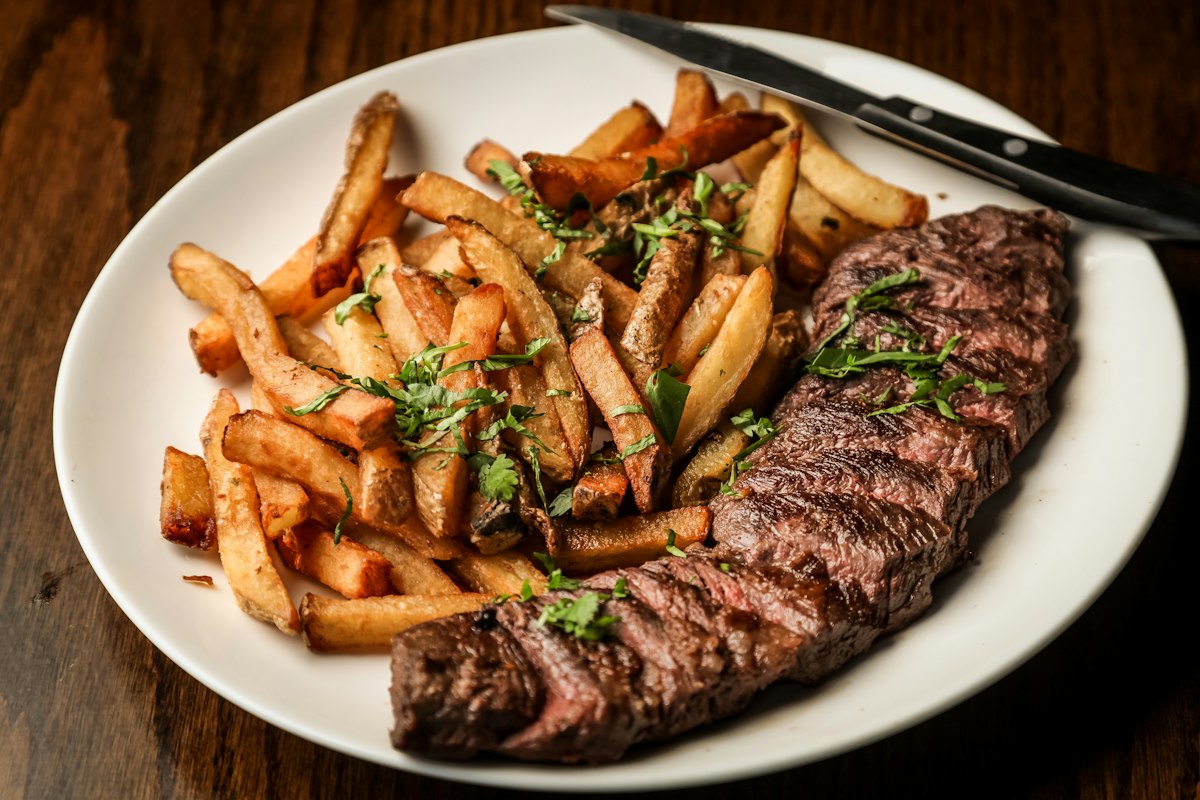
Original source illustration; may show a general food category.
Duck legs are a delicious cut of poultry that are often slow-cooked for tenderness. They hold a higher fat content compared to chicken, providing unique flavors and juiciness that enhances many dishes.
Country stock records are private to assigned managers.
Food-waste calculator
Estimate food you can keep out of the bin by using or sharing it.
Potential food saved1 kg
If you use or share 1 kg of Duck Legs instead of discarding it, that is 1 kg kept out of the bin.
This uses only your entered amount. It does not claim measured waste reduction or convert pieces and packs into invented weights.
Overview
Duck legs are a delicious cut of poultry that are often slow-cooked for tenderness. They hold a higher fat content compared to chicken, providing unique flavors and juiciness that enhances many dishes.
Origin & history
ancient uses: Used for meat and eggs in various ancient cultures.
region of origin: Southeast Asia
country of origin: China
historical timeline: year: 3000
event: Evidence of duck domestication in ancient China.
year: 1600
event: Duck farming spreads to Europe.
cultural significance: Considered a delicacy in many cuisines, especially in Asian and European culinary traditions.
domestication history: Domesticated from wild mallards for over 2,000 years.
traditional importance: Often featured in festive meals.
historical trade routes: Significant trade along the Silk Road introduced ducks to various cultures.
Growing & production
climate: Temperate to warm climates suitable for waterfowl.
diseases: Duck viral enteritis
Avian influenza
harvesting: Harvesting usually occurs after 8-12 weeks.
temperature: Ideal temperatures range from 15°C to 25°C.
growing season: Ducklings are typically raised in spring and summer.
growing regions: China
France
United States
organic cultivation: Possible with careful management practices.
Duck legs provide a generous supply of protein and essential amino acids. They are rich in healthy fats, including Omega-6 fatty acids, supporting heart health. The high content of iron makes it beneficial for maintaining healthy blood levels. Due to its vitamin A content, duck legs support good vision and skin health. Due to the fat content, portion sizes should be moderated for weight management, particularly for those with heart conditions.
Health notes
major: Lean, complete protein — supports muscle, bone and skin health.
Good source of niacin, vitamin B6, phosphorus and selenium.
Skinless cuts keep saturated fat low without sacrificing flavour.
evidence: Consensus among USDA, NIH and WHO reviews is that duck legs contributes positively to a balanced eating pattern when consumed in appropriate portions.
Storage
freezing: Wrap tightly in plastic and aluminum foil.
shelf life: 4 days refrigerated, 6 months frozen.
refrigeration: Store in airtight containers at 1°C to 4°C.
best practices: Keep away from raw foods
Thaw in the refrigerator
common mistakes: Not removing the skin before cooking
Overcooking
storage methods: Refrigeration
Freezing
spoilage indicators: Off smell
Slimy texture
Preparation
cutting: Remove excess fat if necessary.
washing: Do not soak; just rinse.
cleaning: Rinse under cold water and pat dry.
buying tips: Look for firm legs with a deep color and no odor.
cooking methods: Roasting
Braising
Grilling
freshness indicators: Firm texture
Fresh smell
No discoloration.
seasonal buying guide: Best purchased in fall and winter months.
Practical tips
**Cleaning**
Rinse under cold water and pat dry.
**Washing**
Do not soak; just rinse.
**Cutting**
Remove excess fat if necessary.
Recipes
name: Duck Confit
tags: French
Duck
Main
tips: Serve with potatoes or salad.
method: Salt the duck legs and let sit overnight.
Rinse and dry them.
In a dutch oven, cover with duck fat.
Cook slowly for 4 hours until tender.
region: Southwest France
country: France
cuisine: French
servings: 4
cook time: 4 hours
image url: https://example.com/duck_confit.jpg
nutrition: fat: 39
protein: 24
calories: 450
prep time: 30 minutes
video url: https://www.youtube.com/watch?v=example
chef notes: The longer you cook, the more tender the meat.
difficulty: Medium
description: A classic dish made by slow cooking duck legs in their own fat.
ingredients: 4 duck legs
Salt
1 clove garlic
Thyme
Duck fat
youtube url: https://www.youtube.com/watch?v=example
recipe source: French Culinary Institute
suitable diets: Paleo
Transportation
packaging: Bulk packaging in insulated boxes.
shelf life: 3-4 days refrigerated, up to 6 months frozen.
export handling: Compliance with international food safety standards.
shipping methods: Air freight for freshness; refrigerated trucks for domestic transport.
storage temperature: 1°C to 4°C for refrigerated storage.
cold chain requirements: Necessary to maintain freshness and prevent spoilage.
transportation constraints: Requires temperature-controlled logistics.
Sustainability
climate resilience: Duck breeds can adapt to various climates.
land use m2 per kg: 3
sustainable farming: Encouraged farming methods that minimize environmental impact.
environmental impact: Duck farming can contribute to biodiversity if managed well.
organic certification: Available but limited.
regenerative agriculture: Practices are being adapted in some regions.
water footprint l per kg: 1800
carbon footprint kgco2e per kg: 10.2
More about this food
Duck is commonly used in French cuisine, especially in dishes like confit.
Duck legs are typically darker in meat color than chicken, indicating a richer flavor.
Source references
url: https://example.com/nutrition
type: report
year: 2023
title: Duck Nutrition and Health Benefits
authors: USDA Nutrition Department
publisher: USDA
Kerala & United States locality guides
Regional guides; these links do not establish local product availability.