Imported source research draft. Nutrition, health claims and linked references have not been independently verified.
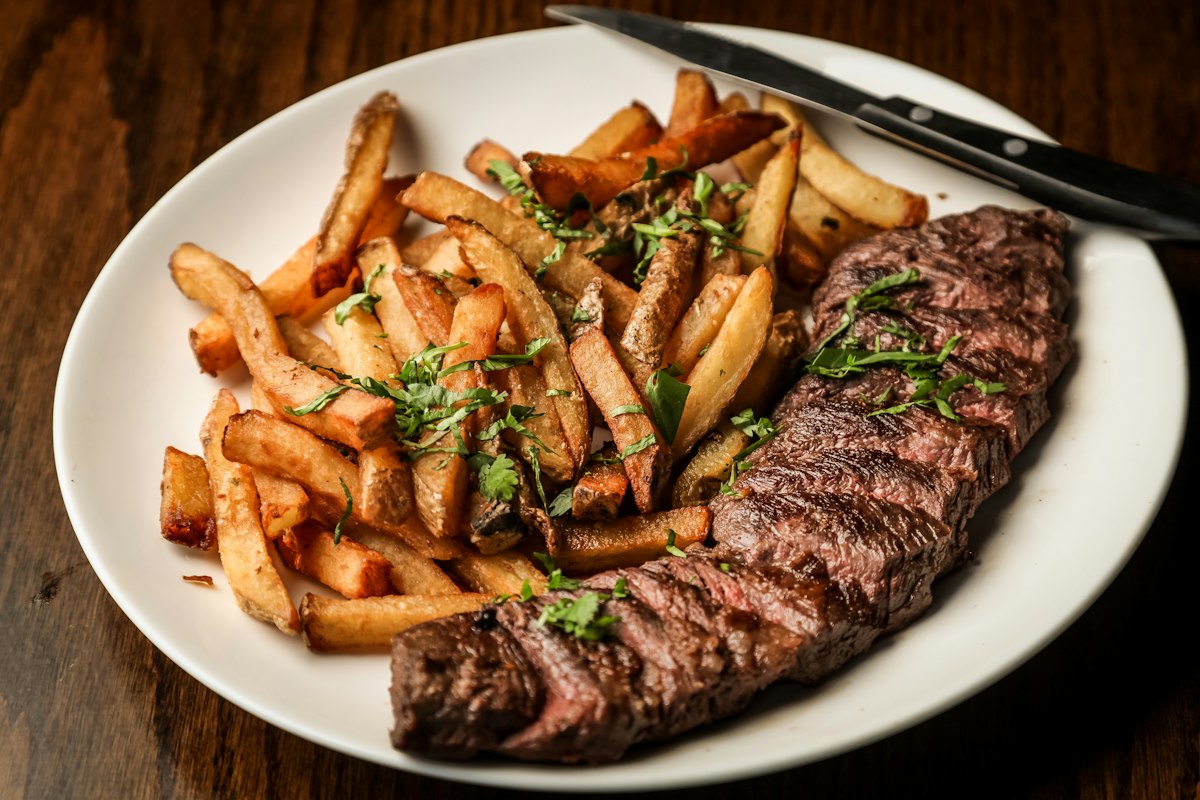
Original source illustration; may show a general food category.
Duck breast is prized for its rich flavor and tender meat. The Magret is specifically a specific cut from the Moulard duck, known for its increased fat layer, which adds to the flavor and juiciness when cooked properly.
Country stock records are private to assigned managers.
Food-waste calculator
Estimate food you can keep out of the bin by using or sharing it.
Potential food saved1 kg
If you use or share 1 kg of Duck Breast (Magret) instead of discarding it, that is 1 kg kept out of the bin.
This uses only your entered amount. It does not claim measured waste reduction or convert pieces and packs into invented weights.
Overview
Duck breast is prized for its rich flavor and tender meat. The Magret is specifically a specific cut from the Moulard duck, known for its increased fat layer, which adds to the flavor and juiciness when cooked properly.
Origin & history
ancient uses: Historically, ducks were raised for both meat and eggs, with a focus on fattening certain breeds for the culinary market.
region of origin: Southwest France
country of origin: France
historical timeline: year: 1880
event: Moulard duck breed established in France.
cultural significance: Magret is a cultural delicacy in southwestern France and is often associated with festive occasions.
domestication history: Domesticated ducks have been raised for centuries, with Moulard ducks being bred for their meat in particular since the 19th century.
traditional importance: Traditional preparations emphasize the fatty aspect for confit dishes and gourmet cooking.
Growing & production
climate: Temperate to subtropical regions are preferred for duck rearing.
harvesting: Ducks are typically harvested at 10-12 weeks old.
temperature: Ideal temperature for duck rearing ranges from 15°C to 25°C.
growing season: Year-round in temperate climates.
growing regions: France
United States
China
organic cultivation: Organic methods promote free-range practices for better meat quality.
Nutrition draft
per 100g: fat g: 30
carbs g: 0
fiber g: 0
iron mg: 2.5
sugar g: 0
water g: 61
zinc mg: 2
calories: 337
omega3 g: 0.1
omega6 g: 2
protein g: 19
sodium mg: 70
calcium mg: 10
folate mcg: 5
magnesium mg: 20
potassium mg: 325
vitamin a iu: 250
vitamin c mg: 0
vitamin k mcg: 2
saturated fat g: 10
per serving: fat g: 30
carbs g: 0
calories: 337
protein g: 19
serving size: 100g
Nutrition notes
Duck breast is a great source of protein, vitamins, and minerals. It supports muscle health, immune system function, and can contribute to heart health when consumed in moderation.
Health notes
major: Lean, complete protein — supports muscle, bone and skin health.
Good source of niacin, vitamin B6, phosphorus and selenium.
Skinless cuts keep saturated fat low without sacrificing flavour.
evidence: Consensus among USDA, NIH and WHO reviews is that duck breast (magret) contributes positively to a balanced eating pattern when consumed in appropriate portions.
Storage
freezing: Freeze at -18°C for long term storage.
shelf life: Refrigerated for 5 days, frozen for 12 months.
refrigeration: Store at 1°C to 4°C.
best practices: Store in airtight containers to prevent freezer burn.
common mistakes: Leaving at room temperature for prolonged periods.
storage methods: Refrigeration
Freezing
spoilage indicators: Off smell
Discoloration
Preparation
cutting: Score the skin lightly to enhance the crispy texture when cooked.
cleaning: Rinse under cold water and pat dry with paper towels.
buying tips: Choose fresh duck breasts with firm texture and no off odors.
cooking methods: Grilling
Pan-searing
Roasting
freshness indicators: Bright color, firm texture.
seasonal buying guide: Best bought during fall and winter months.
Practical tips
**Cleaning**
Rinse under cold water and pat dry with paper towels.
**Cutting**
Score the skin lightly to enhance the crispy texture when cooked.
Recipes
name: Pan-Seared Duck Breast with Cherry Sauce
tags: French
Poultry
Main Course
tips: Let the duck rest before slicing.
method: Score the skin of duck breasts.
Season with salt and pepper.
Sear in a hot pan, skin side down, until crispy.
Flip and cook until medium rare.
Prepare the sauce by simmering cherries, wine, and honey.
region: Southwest
country: France
cuisine: French
servings: 4
cook time: 20 minutes
image url: https://example.com/image1.jpg
nutrition: fat g: 35
carbs g: 10
calories: 420
protein g: 22
prep time: 15 minutes
chef notes: Pair with a side of roasted vegetables for a complete meal.
difficulty: Medium
description: A gourmet dish of crispy duck breast paired with a sweet cherry sauce.
ingredients: 2 duck breasts
1 cup cherries
1/2 cup red wine
1 tbsp honey
Salt
Pepper
youtube url: https://youtube.com/example1
recipe source: Chef's Kitchen
suitable diets: Gluten-free
Transportation
humidity: Relative humidity should be around 80%.
packaging: Vacuum-sealed packaging preferred.
shelf life: Refrigerated for up to 5 days, frozen for up to 12 months.
export handling: Strict regulations govern meat exports.
shipping methods: Refrigerated trucks and air freight are common.
storage temperature: 1°C to 4°C for refrigerated storage.
cold chain requirements: Required to maintain freshness.
Sustainability
sustainable farming: Encouraged practices to raise ducks in sustainable manners.
environmental impact: Duck farming can impact local waterways if not managed responsibly.
organic certification: Available for farms that meet organic standards.
More about this food
Magret originates from the southwestern region of France, particularly enjoyed in Gascony.
It is often served skin-on and cooked to a medium-rare doneness to retain its tenderness.
Source references
url: https://usda.gov/duckproduction
type: report
year: 2022
title: Duck Production in the United States
authors: USDA Team
publisher: USDA
Kerala & United States locality guides
Regional guides; these links do not establish local product availability.