Imported source research draft. Nutrition, health claims and linked references have not been independently verified.
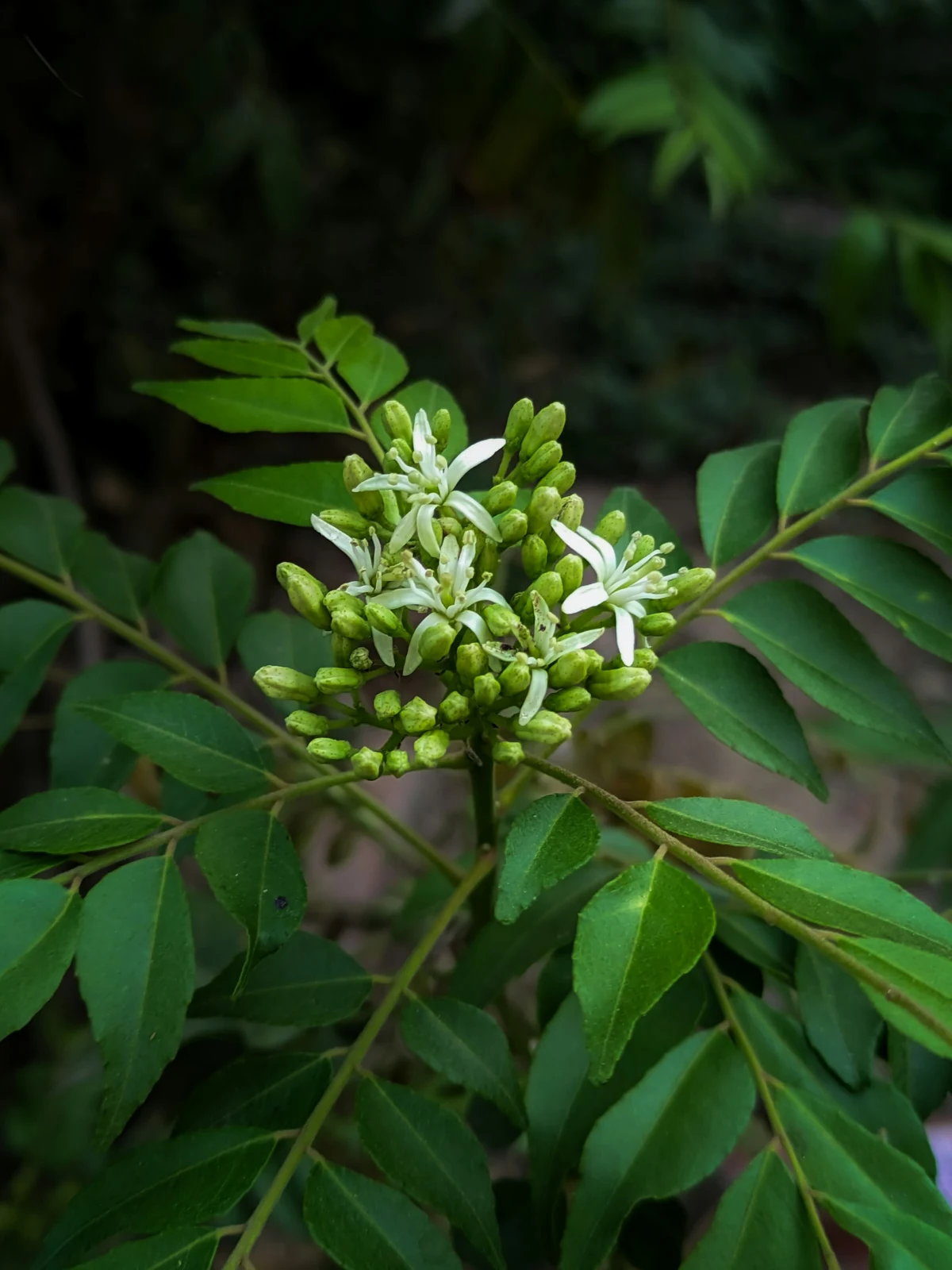
Curry leaves are the foliage of the curry tree, Murraya koenigii, known for their unique, pungent flavor and aroma, often utilized in Indian dishes for seasoning and garnishing.
Country stock records are private to assigned managers.
Food-waste calculator
Estimate food you can keep out of the bin by using or sharing it.
Potential food saved1 kg
If you use or share 1 kg of Curry Leaves instead of discarding it, that is 1 kg kept out of the bin.
This uses only your entered amount. It does not claim measured waste reduction or convert pieces and packs into invented weights.
Curry leaves are the foliage of the curry tree, Murraya koenigii, known for their unique, pungent flavor and aroma, often utilized in Indian dishes for seasoning and garnishing.
Origin & history
ancient uses: Used in traditional Ayurvedic medicine.
region of origin: Southeast Asia
country of origin: India
historical timeline: event: Curry leaves mentioned in ancient Indian texts.
cultural significance: Integral to Indian cuisine, often used in religious rituals.
domestication history: Curry leaves have been cultivated in India for centuries.
traditional importance: Known as a symbol of prosperity and health in Indian culture.
Growing & production
climate: Tropical and subtropical
rainfall: Annual rainfall of 900-2000 mm
harvesting: Leaves are harvested regularly once the plant is established.
irrigation: Moderate watering, avoid waterlogging
temperature: 20-35°C
growing season: Year-round in tropical climates
harvest period: 3-4 times a year
yield per acre: Up to 1,000 kg
growing regions: India
Sri Lanka
Bangladesh
pest management: Manual removal of pests, organic pesticides when necessary
planting methods: Seed, cuttings, and transplantation
soil requirements: Well-drained, fertile soil
organic cultivation: Possible, often practiced
fertilizer requirements: Organic fertilizers recommended
Curry leaves are known for their medicinal properties such as aiding digestion, promoting hair health, and regulating blood sugar levels. They are an excellent source of vitamins A, B, C, and calcium.
In traditional medicine, curry leaves are often used to treat diabetes due to their ability to regulate insulin levels and reduce blood sugar. Their antioxidant properties help combat oxidative stress in the body, improving overall health. Incorporating curry leaves in your diet may also support digestive health and promote healthy hair growth.
Health notes
major: Culinary herbs deliver antioxidants and polyphenols per gram than many superfoods.
Many carry gentle digestive, anti-inflammatory or antimicrobial benefits.
Fresh herbs help reduce salt intake by boosting flavour naturally.
evidence: Consensus among USDA, NIH and WHO reviews is that curry leaves contributes positively to a balanced eating pattern when consumed in appropriate portions.
Storage
freezing: Can be frozen for long-term storage.
shelf life: Up to 2 weeks in the refrigerator.
refrigeration: Store in an airtight container in the fridge.
best practices: Use fresh whenever possible
Avoid exposure to moisture
common mistakes: Storing with ethylene-producing fruits like apples
storage methods: Refrigeration
Freezing
spoilage indicators: Wilting
Discoloration
Preparation
cutting: Chop or tear leaves before adding to dishes.
washing: Wash thoroughly before use.
cleaning: Rinse under running water to remove dirt.
buying tips: Look for vibrant green leaves without wilting.
cooking methods: Sauteing
Steaming
Drying
freshness indicators: Bright color
Fresh aroma
seasonal buying guide: Best purchased during summer months.
Practical tips
**Cleaning**
Rinse under running water to remove dirt.
**Washing**
Wash thoroughly before use.
**Cutting**
Chop or tear leaves before adding to dishes.
Recipes
name: Vegetable Curry
tags: Vegan
Curry
Vegetable
tips: Add coconut milk for a creamy texture.
method: Heat oil in a pan
Add onions and sauté
Add tomatoes and spices
Mix in vegetables and curry leaves
Cook until tender
region: South India
country: India
cuisine: Indian
servings: 4
cook time: 30 minutes
image url: https://example.com/vegetable_curry.jpg
prep time: 15 minutes
video url: https://youtube.com/vegetable_curry_video
chef notes: Curry leaves add a unique flavor to the dish.
difficulty: Easy
description: A delicious mix of vegetables cooked with spices and curry leaves.
ingredients: Mixed vegetables
Curry leaves
Onion
Tomatoes
Spices
youtube url: https://youtube.com/vegetable_curry_video
recipe source: Traditional Indian Recipe
suitable diets: Vegan
Transportation
humidity: 75-85%
packaging: Plastic bags or cartons for bulk transport
shelf life: 7-10 days in optimal conditions
shipping methods: Air and road transport
storage temperature: 2-5°C
cold chain requirements: Not required
transportation constraints: Sensitive to temperature changes
Sustainability
climate resilience: Resilient in tropical climate fluctuations.
sustainable farming: Curry leaves are often grown in sustainable home gardens.
environmental impact: Minimal when grown organically.
organic certification: Available from some farmers.
pollinator importance: Important for local biodiversity.
regenerative agriculture: Practices are being adopted by local farmers.
More about this food
Curry leaves are rich in antioxidants and essential nutrients.
They are traditionally used in Ayurvedic medicine for various health benefits.
Source references
url: https://example.com/research/curry_leaves_nutrition
type: journal
year: 2023
title: Nutritional properties of curry leaves
authors: Dr. A. Smith, Dr. B. Jones
publisher: Journal of Agriculture
Kerala & United States locality guides
Regional guides; these links do not establish local product availability.

 Curry Leaves