Imported source research draft. Nutrition, health claims and linked references have not been independently verified.
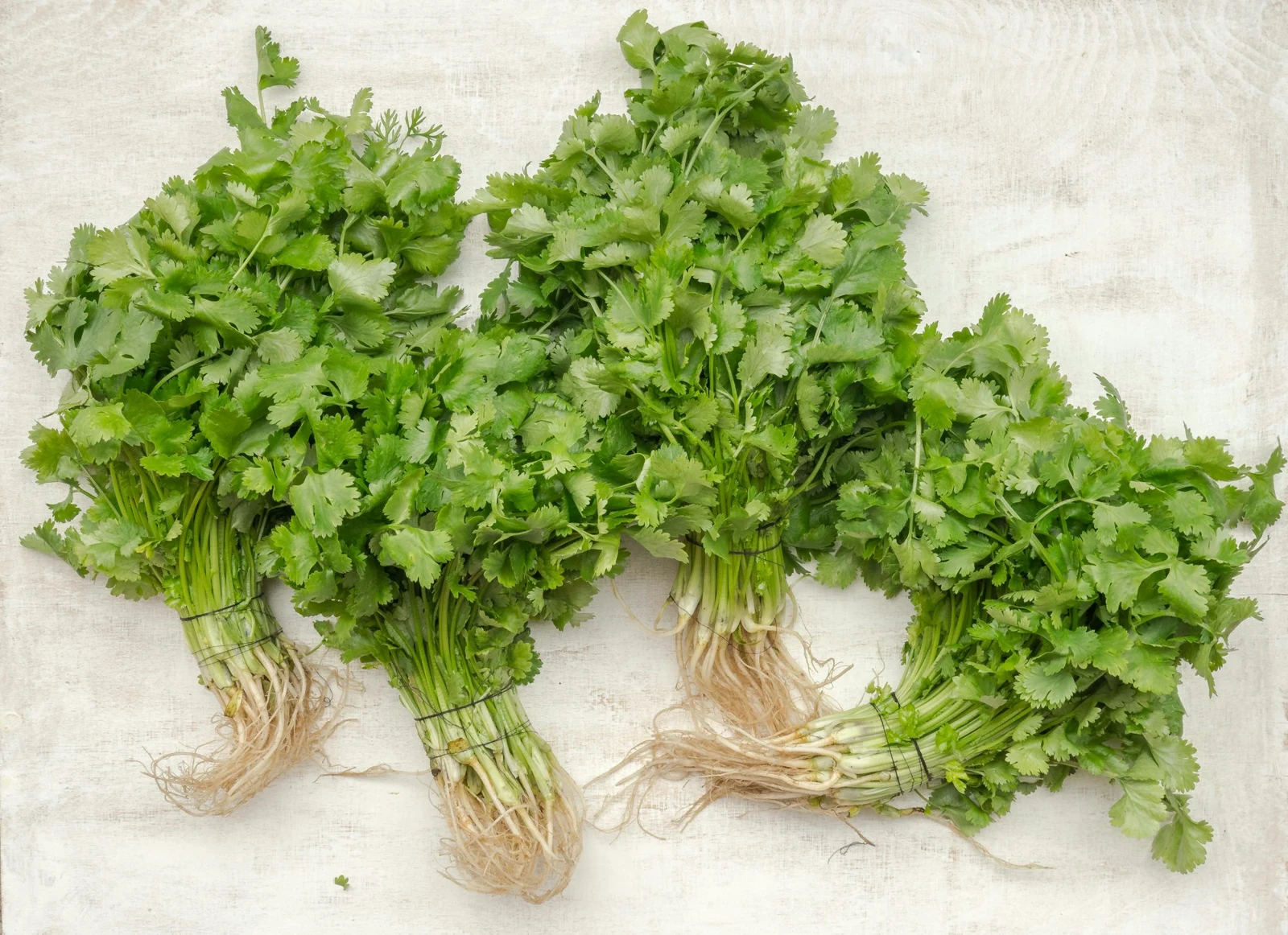
Coriander leaves, also known as cilantro, are the leafy part of the coriander plant, which is widely used in various cuisines for their unique flavor. The leaves are bright green and delicate, with a flavor that varies significantly between cuisines.
Country stock records are private to assigned managers.
Food-waste calculator
Estimate food you can keep out of the bin by using or sharing it.
Potential food saved1 kg
If you use or share 1 kg of Coriander Leaves instead of discarding it, that is 1 kg kept out of the bin.
This uses only your entered amount. It does not claim measured waste reduction or convert pieces and packs into invented weights.
Coriander leaves, also known as cilantro, are the leafy part of the coriander plant, which is widely used in various cuisines for their unique flavor. The leaves are bright green and delicate, with a flavor that varies significantly between cuisines.
Origin & history
ancient uses: Used in traditional medicine and as a culinary herb.
region of origin: Southern Europe
country of origin: Mediterranean region
historical timeline: year: 5000
event: First evidence of coriander usage found in ancient Egypt.
year: 1500
event: Introduced to the Americas by European colonizers.
cultural significance: Coriander is significant in many cultures, symbolizing freshness and flavor.
domestication history: Coriander has been grown for thousands of years for its leaves and seeds.
traditional importance: Highly regarded in Middle Eastern, Indian, and Latin American cuisines.
historical trade routes: Traded via the Silk Road to Asia.
Growing & production
climate: Temperate to tropical climates are ideal.
diseases: Powdery mildew
Root rot
rainfall: Moderate rainfall 50-75 cm annually.
harvesting: Harvested when leaves are full-sized; cutting to encourage regrowth.
irrigation: Regular watering required, particularly in dry climates.
temperature: Optimal growth at 20-25°C.
growing season: Spring to fall.
harvest period: Typically ready in 3-4 weeks after planting.
yield per acre: Around 2-3 tons per acre.
growing regions: California
India
Morocco
pest management: Monitor for aphids and caterpillar pests.
planting methods: Sown directly into the soil.
soil requirements: Well-draining soil with pH 6-8.
organic cultivation: Can be successfully grown using organic practices.
fertilizer requirements: Regular fertilization with balanced NPK fertilizers.
Nutrition draft
per 100g: fat g: 0.5
carbs g: 3.7
fiber g: 2.8
iron mg: 1.8
sugar g: 0.9
water g: 92
zinc mg: 0.6
calories: 23
protein g: 2.1
sodium mg: 48
calcium mg: 67
folate mcg: 62
magnesium mg: 26
potassium mg: 521
vitamin a iu: 6740
vitamin c mg: 27
vitamin k mcg: 310
saturated fat g: 0.1
amino acids: Lysine: 0.1
Threonine: 0.06
Methionine: 0.04
per serving: fat g: 0.3
carbs g: 2.2
calories: 14
protein g: 1.3
serving size: 1 cup (roughly 60g)
antioxidants: Luteolin
Quercetin
phytochemicals: Apigenin
trace minerals: Copper: 0.2
Selenium: 0.1
Manganese: 0.2
Nutrition notes
Coriander leaves are packed with antioxidants and have a variety of health benefits. They may help in digestion, reduce inflammation, and promote heart health. Typically, they are used to flavor various dishes and may improve the absorption of nutrients.
Health notes
major: Culinary herbs deliver antioxidants and polyphenols per gram than many superfoods.
Many carry gentle digestive, anti-inflammatory or antimicrobial benefits.
Fresh herbs help reduce salt intake by boosting flavour naturally.
evidence: Consensus among USDA, NIH and WHO reviews is that coriander leaves contributes positively to a balanced eating pattern when consumed in appropriate portions.
Storage
freezing: Can be pureed and frozen for longer storage.
shelf life: 1-2 weeks in refrigeration.
refrigeration: Best stored in the fridge in a damp cloth or paper towel.
best practices: Keep refrigerated
Avoid moisture build-up
common mistakes: Storing without airflow leads to faster spoilage.
storage methods: Refrigeration
Freezing
spoilage indicators: Wilting
Browning
Preparation
cutting: Chop leaves roughly and avoid cutting stems.
washing: Use a brush to remove soil residue.
cleaning: Rinse under cold water before use.
buying tips: Choose vibrant green leaves without wilting.
cooking methods: Raw
Cooked
freshness indicators: Bright color, firm texture.
seasonal buying guide: Best in spring and autumn.
Practical tips
**Cleaning**
Rinse under cold water before use.
**Washing**
Use a brush to remove soil residue.
**Cutting**
Chop leaves roughly and avoid cutting stems.
Recipes
name: Coriander Chutney
tags: chutney
spicy
condiment
tips: Add yogurt for creaminess.
method: Blend all ingredients together until smooth.
Serve with snacks or meals.
region: North India
country: India
cuisine: Indian
servings: 4
cook time: 0 minutes
image url: http://example.com/coriander-chutney.jpg
nutrition: fat: 1
protein: 2
calories: 40
carbohydrates: 9
prep time: 10 minutes
chef notes: Uses fresh herbs for best flavor.
difficulty: Easy
description: A fresh, zesty condiment made from coriander leaves.
ingredients: 1 cup coriander leaves
2 green chilies
1 inch ginger
1 tablespoon lemon juice
Salt to taste
recipe source: Traditional Indian Cuisine
suitable diets: Vegetarian
Transportation
humidity: High humidity is beneficial for freshness.
packaging: Bunched in plastic bags or containers.
shelf life: 5-7 days in ideal conditions.
export handling: Handled with care to prevent bruising.
shipping methods: Air freight is common for fresh herbs.
storage temperature: Ideal storage at 0-4°C.
cold chain requirements: Preferred cold transport to maintain freshness.
transportation constraints: Subject to decay if not kept cool.
Sustainability
climate resilience: Adaptable to various climates.
sustainable farming: Practiced in many regions with crop rotation.
environmental impact: Low impact when grown sustainably.
organic certification: Available for growers.
pollinator importance: Attracts beneficial insects.
regenerative agriculture: Promoted through local farming methods.
More about this food
Coriander leaves are used in both raw and cooked dishes.
They are known for their distinct, citrus-like flavor.
Source references
url: http://example.com/nutrition-journal
type: journal
year: 2021
title: Nutritional Benefits of Coriander
authors: Jane Doe
publisher: Nutrition Journal
Kerala & United States locality guides
Regional guides; these links do not establish local product availability.

 Cilantro - Coriander Leaves