Imported source research draft. Nutrition, health claims and linked references have not been independently verified.
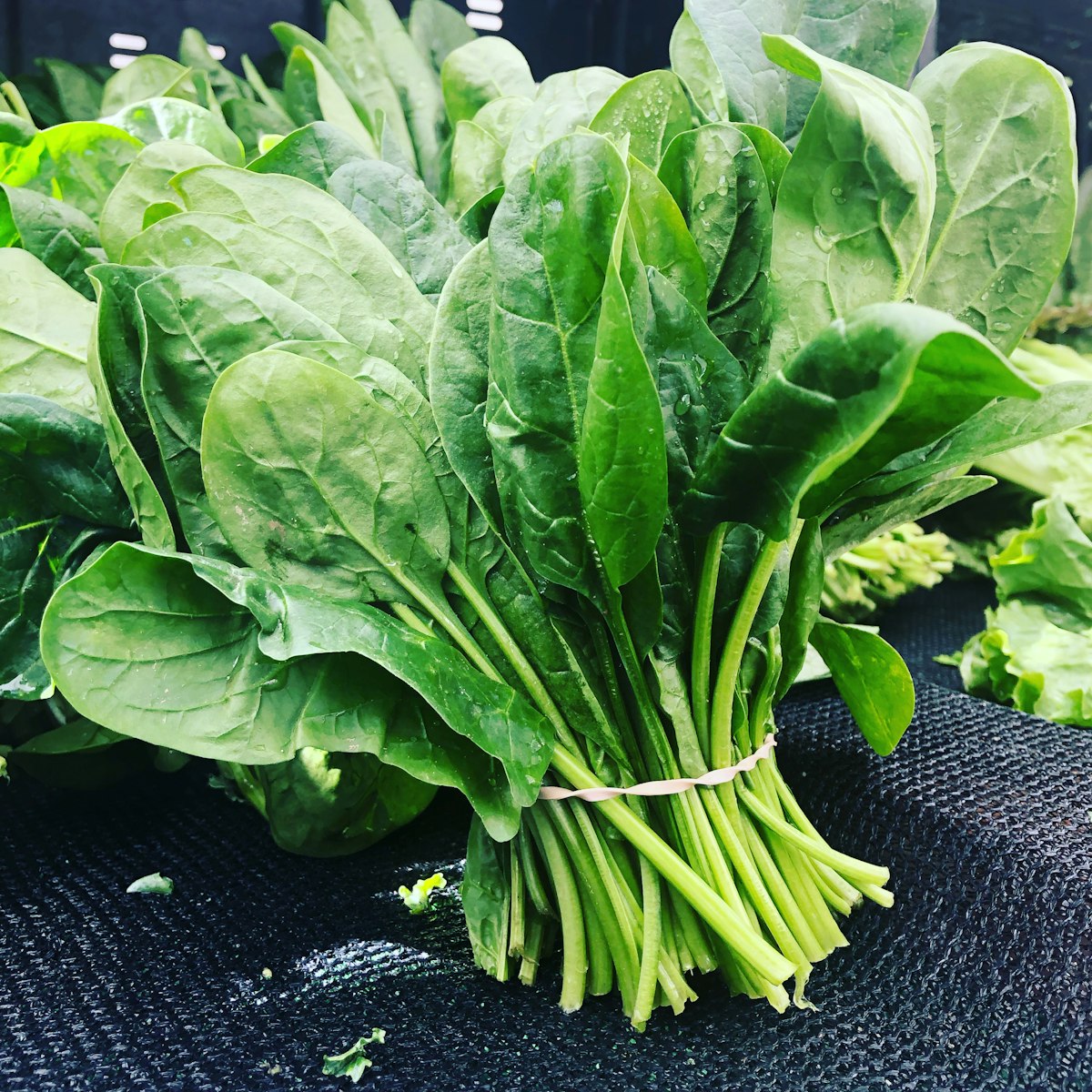
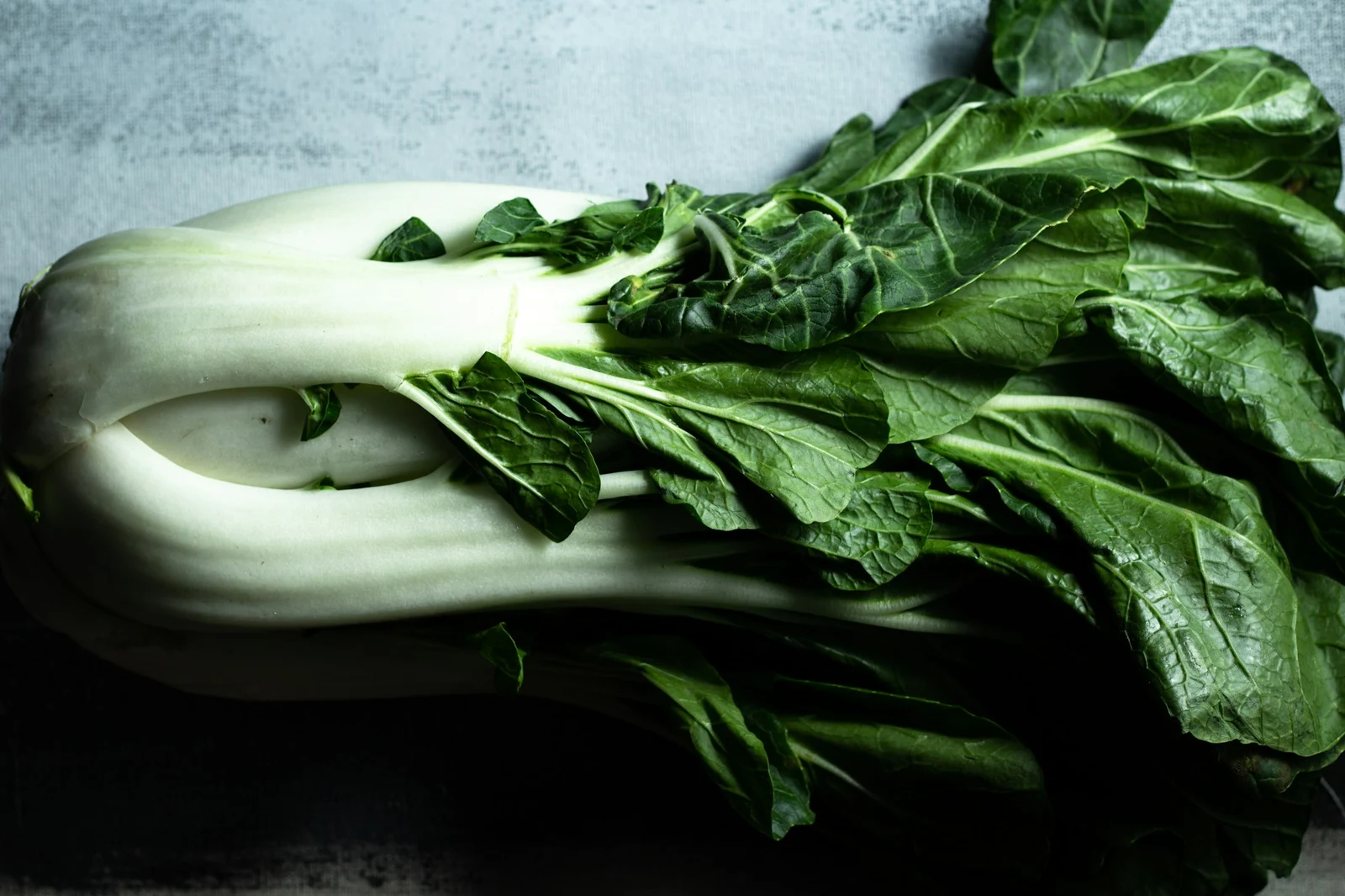
Original source illustration; may show a general food category.
Chinese cabbage, also known as Napa cabbage or Wombok, is a variety of Brassica rapa that is often used in East Asian cuisine. Its tender leaves have a mild, sweet flavor, making it ideal for stir-fries, soups, and salads. Chinese cabbage is also commonly fermented to make kimchi.
Country stock records are private to assigned managers.
Food-waste calculator
Estimate food you can keep out of the bin by using or sharing it.
Potential food saved1 kg
If you use or share 1 kg of Chinese Cabbage instead of discarding it, that is 1 kg kept out of the bin.
This uses only your entered amount. It does not claim measured waste reduction or convert pieces and packs into invented weights.
Chinese cabbage, also known as Napa cabbage or Wombok, is a variety of Brassica rapa that is often used in East Asian cuisine. Its tender leaves have a mild, sweet flavor, making it ideal for stir-fries, soups, and salads. Chinese cabbage is also commonly fermented to make kimchi.
Origin & history
ancient uses: Used traditionally in Asian dishes and mentioned in ancient herbal texts.
region of origin: East Asia
country of origin: China
historical timeline: year: 300
event: References to Chinese cabbage found in ancient Chinese texts.
year: 1500
event: Brought to Japan and other East Asian countries.
cultural significance: It plays a crucial role in Asian culinary practices.
domestication history: Chinese cabbage was cultivated in China over 2,000 years ago.
traditional importance: Commonly used in festivals and community gatherings in Asia.
historical trade routes: Traded along the Silk Road.
Growing & production
climate: Cool-weather crop, grows best in moderate temperatures.
diseases: Downy mildew
Black rot
rainfall: Moderate rainfall; prefers damp conditions.
harvesting: Harvested when the heads are firm.
irrigation: Regular irrigation is essential, especially in dry periods.
hydroponics: Feasible and can lead to faster growth.
temperature: Optimal growth at 15-20°C.
growing season: Spring and autumn.
harvest period: Approximately 70 to 100 days post-planting.
yield per acre: Variable, up to 30 tons per acre.
growing regions: China
Japan
Korea
United States
pest management: Common pests include aphids and cabbage worms.
planting methods: Direct seeding or transplanting seedlings.
soil requirements: Fertile, well-drained loamy soil.
organic cultivation: Possible, often using crop rotation and natural pest control.
greenhouse production: Practiced for extended growing seasons.
fertilizer requirements: Requires nitrogen-rich fertilizers.
Chinese cabbage is low in calories and rich in vitamins, particularly vitamins C and K. It supports immune function, bone health, and offers antioxidant properties that can help protect the body from oxidative stress. The high fiber content aids in digestive health. Some studies suggest potential anti-inflammatory and cancer-preventive properties due to its phytochemicals.
Health notes
major: Rich in fibre, vitamins A and C, folate, potassium and plant polyphenols.
Low in calories and high in water content — supports weight management and hydration.
Regular vegetable intake is linked to lower rates of cardiovascular disease and type 2 diabetes.
evidence: Consensus among USDA, NIH and WHO reviews is that chinese cabbage contributes positively to a balanced eating pattern when consumed in appropriate portions.
Storage
freezing: Freezing is possible but can alter texture; blanching recommended first.
shelf life: 1 to 2 weeks under optimal conditions.
refrigeration: Best stored in a fridge to prevent wilting.
best practices: Keep dry to avoid rot.
Wrap in damp cloth for freshness.
common mistakes: Storing in airtight containers without ventilation.
storage methods: Refrigeration
Controlled-atmosphere storage
spoilage indicators: Yellowing leaves
Slimy texture
controlled atmosphere storage: Extends shelf life significantly.
Preparation
cutting: Cut the base to separate leaves; use as needed.
washing: Soak in water then rinse to ensure clean leaves.
cleaning: Rinse thoroughly under cold water to remove dirt.
buying tips: Choose heads that are firm and have crisp leaves.
cooking methods: Stir-frying
Steaming
Boiling
freshness indicators: Vibrant green leaves
Firm head.
seasonal buying guide: Best in winter and spring.
Practical tips
**Cleaning**
Rinse thoroughly under cold water to remove dirt.
**Washing**
Soak in water then rinse to ensure clean leaves.
**Cutting**
Cut the base to separate leaves; use as needed.
Recipes
name: Kimchi
tags: fermented
side dish
vegetarian
tips: Adjust spice levels to taste.
Can be refrigerated after fermentation.
method: Cut Chinese cabbage into quarters and soak in salty water for 3 hours.
Rinse and drain.
Mix other ingredients to form a paste.
Apply paste evenly and pack tightly in a jar.
Ferment at room temperature for 1 week.
region: Nationwide
country: South Korea
cuisine: Korean
cook time: 7 days
image url: https://example.com/kimchi.jpg
prep time: 30 mins
video url: https://youtube.com/examplekimchi
chef notes: Fermenting improves the depth of flavor.
difficulty: Medium
description: A traditional fermented Korean side dish made from seasoned vegetables, primarily Chinese cabbage.
ingredients: 1 head Chinese cabbage
1/4 cup salt
1 tablespoon grated ginger
1 tablespoon minced garlic
2 tablespoons fish sauce
2 tablespoons Korean red pepper flakes
1 teaspoon sugar
2 green onions
youtube url: https://youtube.com/examplekimchi
recipe source: Korean Cooking Essentials
suitable diets: Vegan
Transportation
humidity: 85-90% humidity is ideal.
packaging: Typically packed in crates or boxes lined with breathable material.
shelf life: Approximately 1 to 2 weeks under refrigeration.
shipping methods: Air freight
Land transport
storage temperature: Optimal at 0-4°C.
cold chain requirements: Required to maintain freshness during transport.
Sustainability
climate resilience: Requires adaptive measures for climate extremes.
sustainable farming: Promotes crop rotation and organic practices.
environmental impact: Low if farmed sustainably.
organic certification: Available through various certifications.
pollinator importance: Less critical but supports overall biodiversity.
regenerative agriculture: Practiced by some farmers to enhance soil health.
More about this food
Chinese cabbage is rich in vitamins K and C.
It can grow to about 12 to 18 inches long.
Traditionally used in East Asian dishes, it has gained popularity worldwide.
Source references
url: https://foodsciencejournal.example.com/chinese-cabbage
type: journal
year: 2023
title: The Nutrition of Chinese Cabbage
authors: Jane Doe
publisher: Journal of Food Science
Kerala & United States locality guides
Regional guides; these links do not establish local product availability.

 Bok Choy - Chinese Cabbage