Imported source research draft. Nutrition, health claims and linked references have not been independently verified.
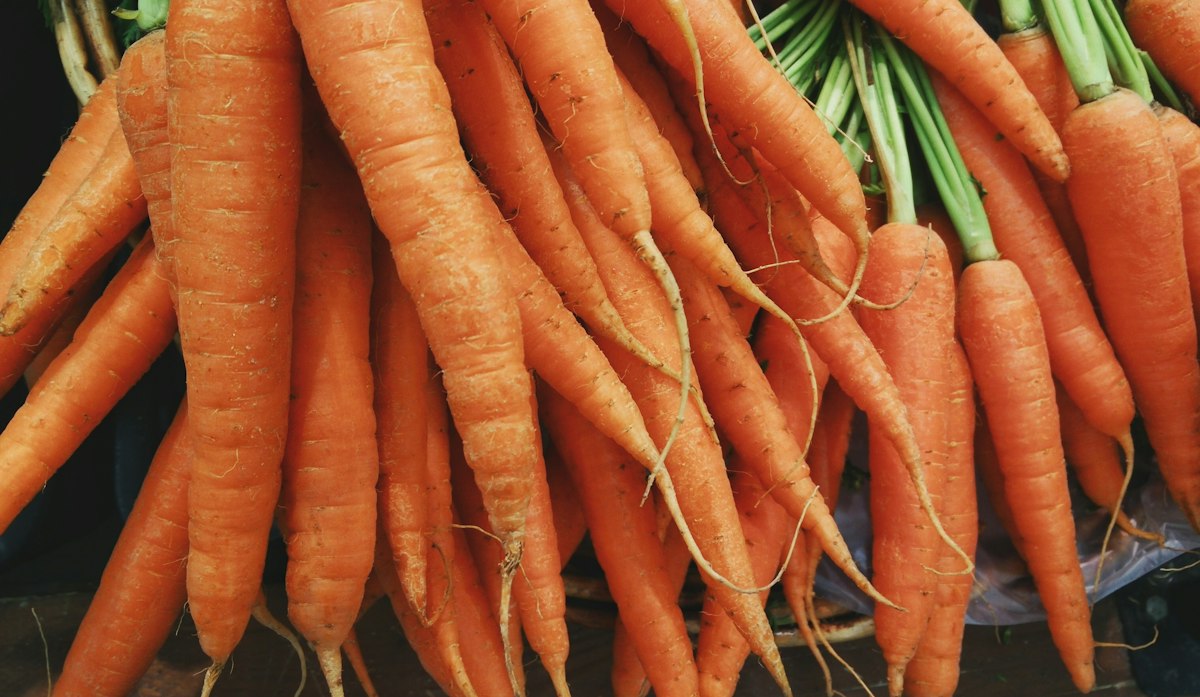
Original source illustration; may show a general food category.
Celeriac (Apium graveolens var. rapaceum) is a biennial plant in the family Apiaceae, primarily grown for its large, bulbous root. It has a distinctive flavor that is reminiscent of celery with a nutty undertone, making it versatile in various culinary applications. Although it may not be as popular as other root vegetables, celeriac is packed with nutrients and offers a unique textural component in both raw and cooked dishes.
Country stock records are private to assigned managers.
Food-waste calculator
Estimate food you can keep out of the bin by using or sharing it.
Potential food saved1 kg
If you use or share 1 kg of Celeriac instead of discarding it, that is 1 kg kept out of the bin.
This uses only your entered amount. It does not claim measured waste reduction or convert pieces and packs into invented weights.
Overview
Celeriac (Apium graveolens var. rapaceum) is a biennial plant in the family Apiaceae, primarily grown for its large, bulbous root. It has a distinctive flavor that is reminiscent of celery with a nutty undertone, making it versatile in various culinary applications. Although it may not be as popular as other root vegetables, celeriac is packed with nutrients and offers a unique textural component in both raw and cooked dishes.
Origin & history
ancient uses: Used by Greeks and Romans for medicinal purposes.
region of origin: Mediterranean region
country of origin: Italy
historical timeline: year: 1000
event: Cultivated by the Romans as a food and medicinal plant.
year: 1700
event: Celeriac became popular in French cuisine.
cultural significance: Celeriac is traditionally used in European cuisines, notably in French and Italian dishes.
domestication history: Celeriac was cultivated from wild celery and has been grown for its root since antiquity.
traditional importance: Commonly featured in soups, stews, and salads, contributing to classic comfort food.
historical trade routes: Trade routes through the Mediterranean helped spread the cultivation of celeriac across Europe.
Growing & production
climate: Temperate regions with cool summers.
diseases: Root rot
Downy mildew
rainfall: Moderate rainfall; does not tolerate waterlogged conditions.
harvesting: Roots can be harvested when they reach 10-15 cm in diameter.
irrigation: Regular watering required, especially during dry spells.
temperature: Optimal growth occurs between 15°C and 20°C.
growing season: Sown in early spring and harvested in fall.
harvest period: Late summer to early fall.
yield per acre: Approximately 10-15 tons.
growing regions: Europe
United States
Asia
pest management: Pest control through integrated pest management practices.
planting methods: Direct seeding or transplanting seedlings.
soil requirements: Loamy, well-drained soil rich in organic matter.
organic cultivation: Yes, can be grown organically with proper practices.
fertilizer requirements: Moderate fertilization with balanced fertilizers.
Celeriac offers a range of health benefits including low calorie content, high antioxidant levels, and beneficial nutrients that support heart health and digestion. Its low glycemic index makes it a suitable choice for individuals managing blood sugar levels.
Health notes
major: Rich in fibre, vitamins A and C, folate, potassium and plant polyphenols.
Low in calories and high in water content — supports weight management and hydration.
Regular vegetable intake is linked to lower rates of cardiovascular disease and type 2 diabetes.
evidence: Consensus among USDA, NIH and WHO reviews is that celeriac contributes positively to a balanced eating pattern when consumed in appropriate portions.
Storage
freezing: Can be blanched and frozen for later use.
shelf life: Can last up to 6 months in a cool and dark place.
refrigeration: Best stored in the vegetable drawer of the refrigerator.
best practices: Keep in perforated bags
Avoid moisture
common mistakes: Storing in direct sunlight
Letting it get too dry.
storage methods: Cool, dark place
Refrigeration
Controlled atmosphere storage
spoilage indicators: Softness
Discoloration
Preparation
cutting: Cut into cubes or slices depending on the recipe.
peeling: Peel the skin for smoother texture in dishes.
washing: Rinse under cold water.
cleaning: Wash thoroughly to remove dirt.
buying tips: Choose heavy roots without visible imperfections.
cooking methods: Roasting
Boiling
Mashing
Shredding
freshness indicators: Firm texture
Fresh aroma
seasonal buying guide: Best purchased in the fall and winter months.
Practical tips
**Cleaning**
Wash thoroughly to remove dirt.
**Washing**
Rinse under cold water.
**Peeling**
Peel the skin for smoother texture in dishes.
**Cutting**
Cut into cubes or slices depending on the recipe.
Recipes
name: Celeriac and Potato Mash
tags: mashed
sides
vegetarian
tips: Add garlic for extra flavor.
method: Peel and chop the celeriac and potatoes.
Boil in salted water until soft.
Drain and mash with butter and cream.
Season with salt and pepper.
region: Normandy
country: France
cuisine: French
servings: 4
cook time: 25 minutes
image url: http://example.com/celeriac-mash.jpg
nutrition: fat g: 5
carbs g: 18
calories: 120
protein g: 2
prep time: 15 minutes
chef notes: Ensure not to overboil to keep texture.
difficulty: Easy
description: A creamy mash with a delightful nutty flavor.
ingredients: Celeriac
Potatoes
Butter
Cream
Salt
Pepper
recipe source: Chef's Kitchen
suitable diets: Vegetarian
Transportation
humidity: 85-90% relative humidity.
packaging: Bulk packaging in crates or cartons.
shelf life: Approximately 4-6 months when stored correctly.
export handling: Handled with care to avoid damage during transport.
shipping methods: Refrigerated trucks, air freight.
storage temperature: 0-4°C.
cold chain requirements: Maintained at 0-4°C during transport.
transportation constraints: Possible damage during transportation if not handled properly.
Sustainability
climate resilience: Adaptable to changes in temperature.
land use m2 per kg: 1.5
sustainable farming: Practices include crop rotation and minimal pesticide use.
environmental impact: Lower impact due to minimal land usage.
organic certification: Available from various producers.
pollinator importance: N/A for root crops.
regenerative agriculture: Some producers follow regenerative agriculture methods.
water footprint l per kg: 300
carbon footprint kgco2e per kg: 0.2
More about this food
Celeriac is also known as celery root and is often used as a low-carb substitute for potatoes.
It was first cultivated in the Mediterranean region and has been used since ancient times.
Source references
url: http://example.com/reference
type: journal
year: 2022
title: Celeriac: Health Benefits
authors: Smith, J.
publisher: Food Science Journal
Kerala & United States locality guides
Regional guides; these links do not establish local product availability.