Imported source research draft. Nutrition, health claims and linked references have not been independently verified.
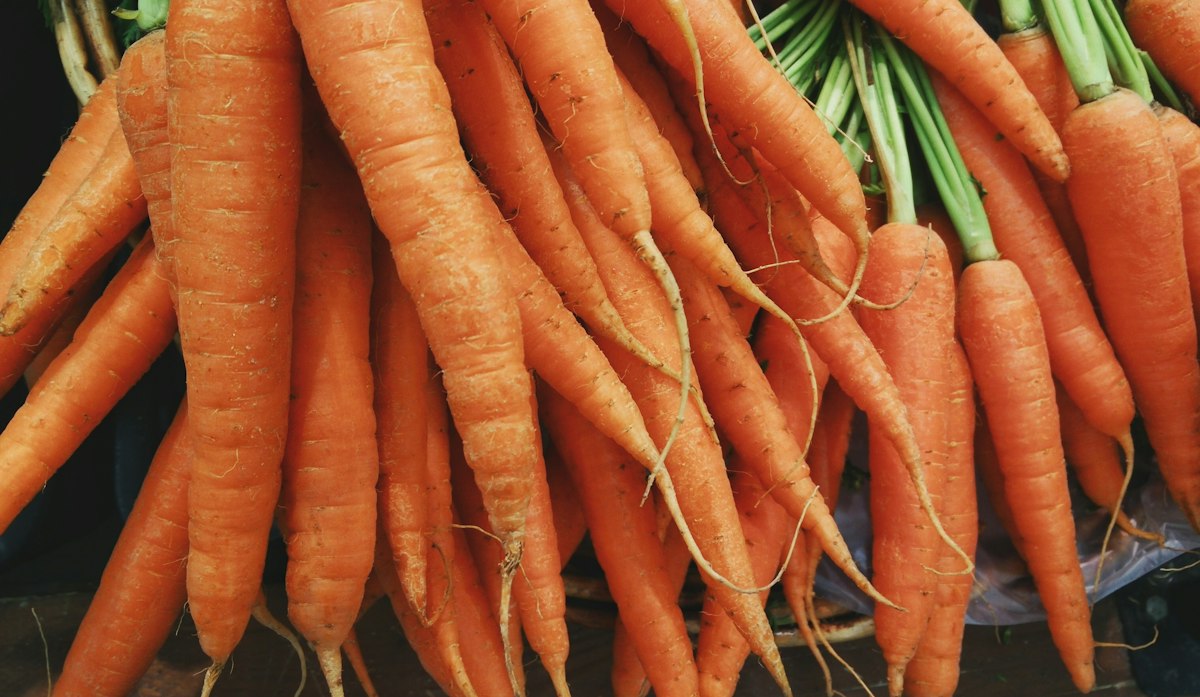
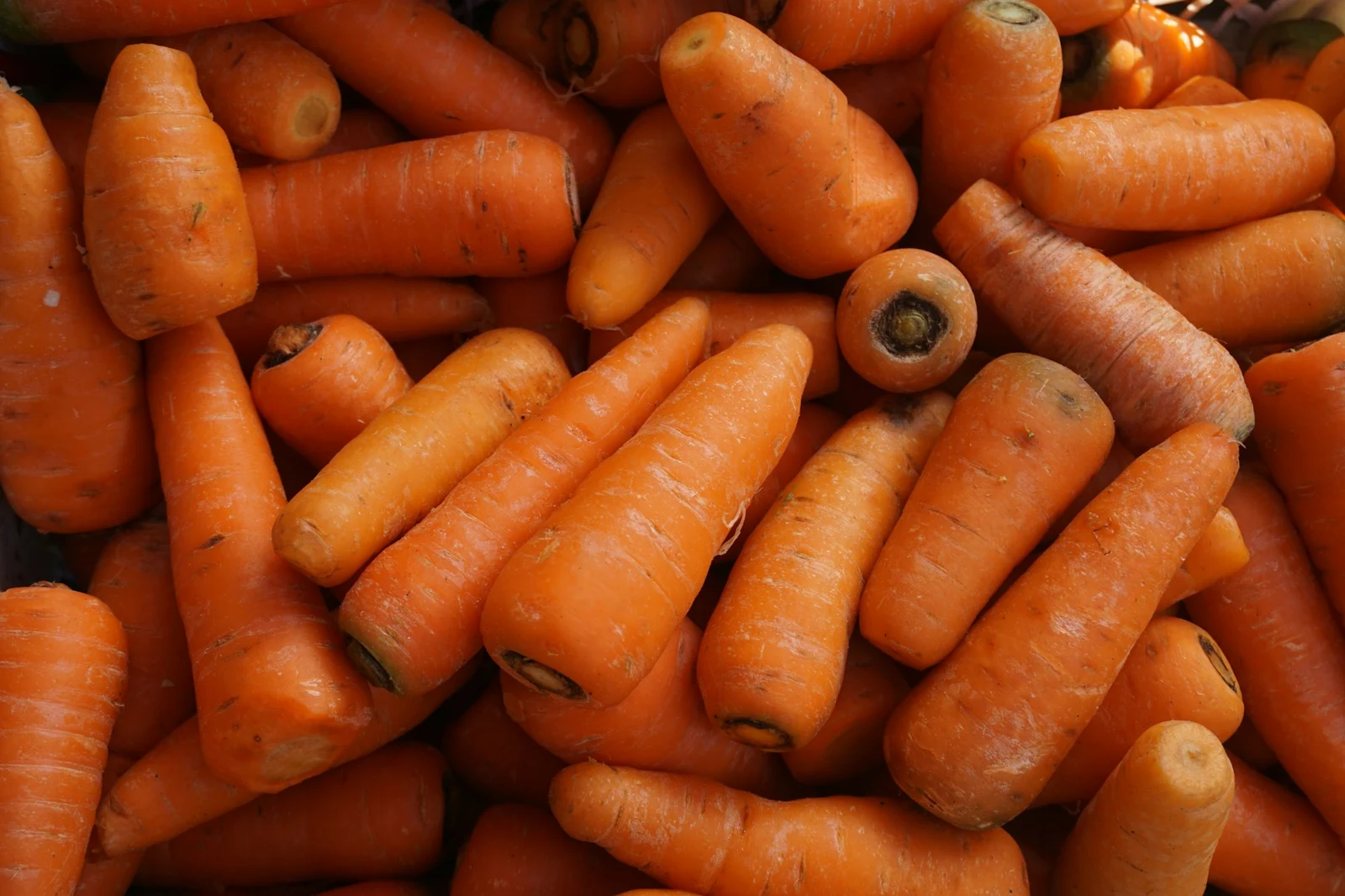
Original source illustration; may show a general food category.
Carrots are root vegetables that belong to the Apiaceae family. Known for their vibrant color and sweetness, carrots are widely consumed and can be eaten raw or cooked. They are low in calories and high in essential nutrients.
Country stock records are private to assigned managers.
Food-waste calculator
Estimate food you can keep out of the bin by using or sharing it.
Potential food saved1 kg
If you use or share 1 kg of Carrot instead of discarding it, that is 1 kg kept out of the bin.
This uses only your entered amount. It does not claim measured waste reduction or convert pieces and packs into invented weights.
Carrots are root vegetables that belong to the Apiaceae family. Known for their vibrant color and sweetness, carrots are widely consumed and can be eaten raw or cooked. They are low in calories and high in essential nutrients.
Origin & history
ancient uses: Used for medicinal purposes and as flavoring.
region of origin: Central Asia
country of origin: Afghanistan
historical timeline: year: 500
event: Cultivation begins in the Mediterranean region.
year: 1100
event: Introduced to Europe from the Middle East.
year: 1600
event: Orange carrots bred in the Netherlands.
cultural significance: Carrots symbolize good luck in some cultures, especially in Asia.
domestication history: Carrots were cultivated by the ancient Greeks and Romans but were initially used for their leaves, not as food.
religious significance: Associated with nourishment and fertility in some cultures.
traditional importance: Widely used in dishes around the world due to their sweetness and versatility.
historical trade routes: Spread along the Silk Road into Europe and North Africa.
Growing & production
climate: Temperate
rainfall: Moderate; about 20-25 inches annually
harvesting: Harvested when roots are fully developed, typically when they reach 1-2 inches in diameter.
irrigation: Regular watering, especially in dry spells.
hydroponics: Not typically used for carrots.
temperature: Optimal at 16-18°C (60-65°F)
growing season: Spring to fall
harvest period: Typically late summer to early winter.
yield per acre: Average 25,000 to 30,000 pounds.
growing regions: North America
Europe
Asia
pest management: Use of integrated pest management to control carrot flies and aphids.
planting methods: Direct seeding is preferred.
vertical farming: Emerging interest in urban settings.
soil requirements: Well-drained, sandy loam with a pH of 6.0 to 6.8
organic cultivation: Common; practices include crop rotation and using organic fertilizers.
greenhouse production: Possible but not common.
fertilizer requirements: Balanced fertilizer high in potassium and phosphorous.
Carrots are rich in beta-carotene, which converts to vitamin A in the body, essential for vision and immune function. They're also high in antioxidants that may help lower the risk of chronic diseases.
Health notes
major: Rich in fibre, vitamins A and C, folate, potassium and plant polyphenols.
Low in calories and high in water content — supports weight management and hydration.
Regular vegetable intake is linked to lower rates of cardiovascular disease and type 2 diabetes.
evidence: Consensus among USDA, NIH and WHO reviews is that carrot contributes positively to a balanced eating pattern when consumed in appropriate portions.
Storage
freezing: Can be blanched and frozen for longer-term storage.
shelf life: 2-4 weeks in refrigeration.
dry storage: Not recommended; leads to spoilage.
refrigeration: Stored in a cool, dark place to extend shelf life.
best practices: Store in a humidity-controlled environment.
Keep away from ethylene-producing fruits.
common mistakes: Storing with fruits like apples, which accelerates spoilage.
storage methods: Refrigeration
Freezing
Controlled-atmosphere storage
spoilage indicators: Softening
Discoloration
controlled atmosphere storage: Effective for extending shelf life.
Preparation
cutting: Cut into sticks or rounds for salads.
peeling: Peeling is optional, especially for organic carrots.
washing: Scrub with a vegetable brush to remove dirt.
cleaning: Wash thoroughly under running water.
buying tips: Select firm, smooth carrots with no signs of decay or cracking.
cooking methods: Steaming
Roasting
Boiling
Grilling
freshness indicators: Color should be vibrant, not faded.
seasonal buying guide: Best bought in late spring to early fall for peak freshness.
Practical tips
**Cleaning**
Wash thoroughly under running water.
**Washing**
Scrub with a vegetable brush to remove dirt.
**Peeling**
Peeling is optional, especially for organic carrots.
**Cutting**
Cut into sticks or rounds for salads.
Recipes
name: Carrot Cake
tags: dessert
baking
cake
tips: Can substitute oil with applesauce for a healthier option.
method: Preheat oven
Mix dry ingredients
Add wet ingredients
Fold in grated carrots
Pour into pan
Bake until golden
region: North America
country: United States
cuisine: American
cook time: 30 minutes
image url: https://example.com/carrot-cake.jpg
nutrition: fat: 13
carbs: 56
protein: 2
calories: 350
prep time: 20 minutes
video url: https://youtube.com/example
chef notes: Best served with cream cheese frosting.
difficulty: Medium
description: A moist cake made with grated carrots and spices.
ingredients: Flour
Sugar
Carrots
Eggs
Cinnamon
Nutmeg
Oil
Baking soda
youtube url: https://youtube.com/example
recipe source: Food Network
suitable diets: Vegetarian
Transportation
humidity: High humidity (90-95%) is ideal to maintain crispness.
packaging: Generally packed in boxes or crates with ventilation.
shelf life: 2-4 weeks under proper storage conditions.
export handling: Must comply with international standards for freshness.
shipping methods: Road and air.
storage temperature: 0 to 4°C.
cold chain requirements: Typically requires a refrigerated environment.
transportation constraints: Sensitive to temperature changes; requires careful handling.
Sustainability
climate resilience: Adaptable to various climate conditions.
sustainable farming: Practices such as crop rotation and organic farming.
environmental impact: Low impact but requires attention to water usage.
organic certification: Available for many growers.
pollinator importance: Beneficial for nearby pollinators.
regenerative agriculture: Increased interest among farmers.
More about this food
Carrots were originally purple and yellow, not orange.
The name 'carrot' derives from the Greek word 'karoton'.
Carrots are biennial plants commonly grown as annuals.
Source references
url: https://fdc.nal.usda.gov/
type: report
year: 2021
title: Nutritional Information on Carrots
authors: USDA Food Data Central
publisher: USDA
Kerala & United States locality guides
Regional guides; these links do not establish local product availability.

 Carrots