Imported source research draft. Nutrition, health claims and linked references have not been independently verified.
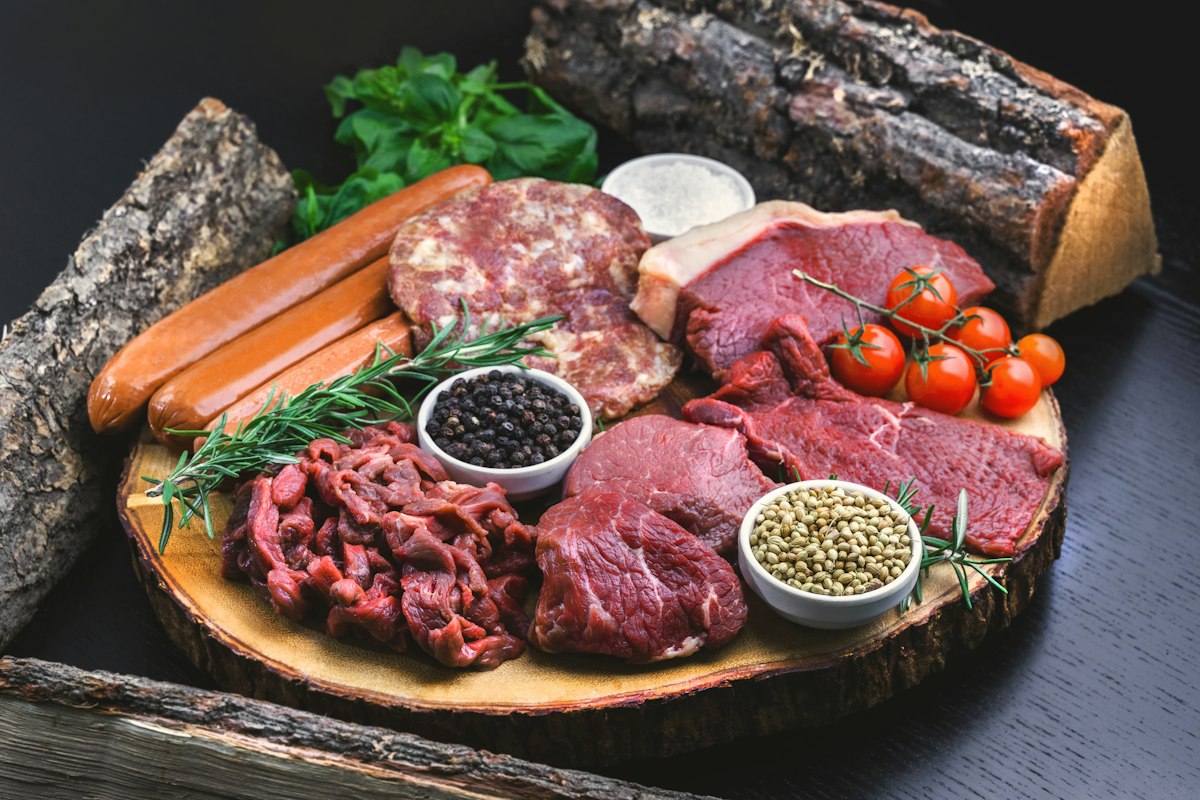
Original source illustration; may show a general food category.
Camel mince is made from the edible muscles of the camel, typically from the hindquarters. It is leaner than beef and has a unique flavor profile, making it popular in various cuisines, especially in the Middle East and North Africa.
Country stock records are private to assigned managers.
Food-waste calculator
Estimate food you can keep out of the bin by using or sharing it.
Potential food saved1 kg
If you use or share 1 kg of Camel Mince instead of discarding it, that is 1 kg kept out of the bin.
This uses only your entered amount. It does not claim measured waste reduction or convert pieces and packs into invented weights.
Overview
Camel mince is made from the edible muscles of the camel, typically from the hindquarters. It is leaner than beef and has a unique flavor profile, making it popular in various cuisines, especially in the Middle East and North Africa.
Origin & history
ancient uses: Used for trade, sustenance, and as a means of transport across deserts.
region of origin: North Africa and the Middle East
country of origin: Various countries in North Africa and the Middle East
historical timeline: year: -3000
event: Evidence of camel domestication in the Arabian Peninsula.
cultural significance: Camel meat is a traditional food source in desert-dwelling communities.
domestication history: Camels have been domesticated for thousands of years for their meat, milk, and as pack animals.
traditional importance: Considered a symbol of wealth and status in some regions.
historical trade routes: Silk Road and caravan trade routes across the Arabian Desert.
Growing & production
climate: Desert to semi-arid
rainfall: Low, typically less than 250 mm annually.
harvesting: Not harvested in the conventional sense; camels are raised for meat.
temperature: Can tolerate extreme heat, up to 50°C.
growing season: Not applicable as camels are livestock.
growing regions: North Africa
Middle East
soil requirements: Well-drained soil is ideal but camels can thrive in various conditions.
Camel meat is low in fat, high in protein, and rich in essential nutrients, making it a healthy alternative for meat lovers. It may support muscle growth and weight management, provide essential vitamins and minerals, and contribute to overall wellness.
Health notes
major: Excellent source of complete protein, heme iron, zinc and vitamin B12.
Supports muscle maintenance, immune function and cognitive health.
Choose leaner cuts and moderate portions for the best long-term health profile.
evidence: Consensus among USDA, NIH and WHO reviews is that camel mince contributes positively to a balanced eating pattern when consumed in appropriate portions.
Storage
freezing: Can be frozen for up to 12 months.
shelf life: 3-5 days refrigerated; up to 12 months frozen.
refrigeration: Keep at 0-4°C.
best practices: Use airtight packaging
Keep at consistent temperatures
common mistakes: Re-freezing after thawing
Storing in non-airtight containers
storage methods: Refrigeration
Freezing
spoilage indicators: Off smell
Discoloration
Preparation
cutting: Use a separate cutting board for meat.
washing: Wash hands and utensils before handling.
cleaning: Rinse thoroughly under cold running water.
buying tips: Look for a bright red color with minimal fat.
Check for a fresh smell.
cooking methods: Grilling
Baking
Sautéing
freshness indicators: Firm texture
No off-odors
seasonal buying guide: Available year-round.
Practical tips
**Cleaning**
Rinse thoroughly under cold running water.
**Washing**
Wash hands and utensils before handling.
**Cutting**
Use a separate cutting board for meat.
Recipes
name: Camel Burger
tags: Camel
Burger
Middle Eastern
tips: Add spices to taste.
Serve with pickled vegetables.
method: Mix camel mince with chopped onion, minced garlic, and cumin.
Form into patties and grill for 5-7 minutes on each side.
Serve in buns with lettuce, tomato, and tahini sauce.
region: Gulf Region
country: United Arab Emirates
cuisine: Middle Eastern
servings: 4
cook time: 10 mins
image url: https://example.com/camel_burger.jpg
nutrition: fat g: 15
calories: 250
protein g: 30
prep time: 15 mins
video url: https://youtube.com/example_video
chef notes: Camel meat is best served medium to well done.
difficulty: Easy
description: A flavorful burger made from camel meat, served with traditional condiments.
ingredients: 500g camel mince
1 onion
2 cloves garlic
1 tsp cumin
Burger buns
Lettuce
Tomato
Tahini sauce
youtube url: https://youtube.com/example_video
recipe source: Local Recipes
suitable diets: High-protein
Transportation
packaging: Vacuum sealed or wrapped in butcher paper.
shelf life: 3-5 days refrigerated; longer if frozen.
shipping methods: Road or air transport.
storage temperature: Refrigerated at 0-4°C.
cold chain requirements: Not required; can be transported at ambient temperatures if properly packed.
Sustainability
climate resilience: Camels are well-adapted to arid conditions.
sustainable farming: Practices vary by region; traditionally, nomadic herding promotes biodiversity.
environmental impact: Low impact due to minimal resource requirements.
More about this food
Camel meat is known for its high protein content and low-fat levels.
It is often regarded as a delicacy in certain cultures.
Source references
url: https://example.com/research
type: journal
year: 2020
title: Camel Meat: An Overview
authors: Dr. Ahmed El-Sayed
publisher: Food Research Institute
Kerala & United States locality guides
Regional guides; these links do not establish local product availability.