Imported source research draft. Nutrition, health claims and linked references have not been independently verified.
Original source illustration; may show a general food category.
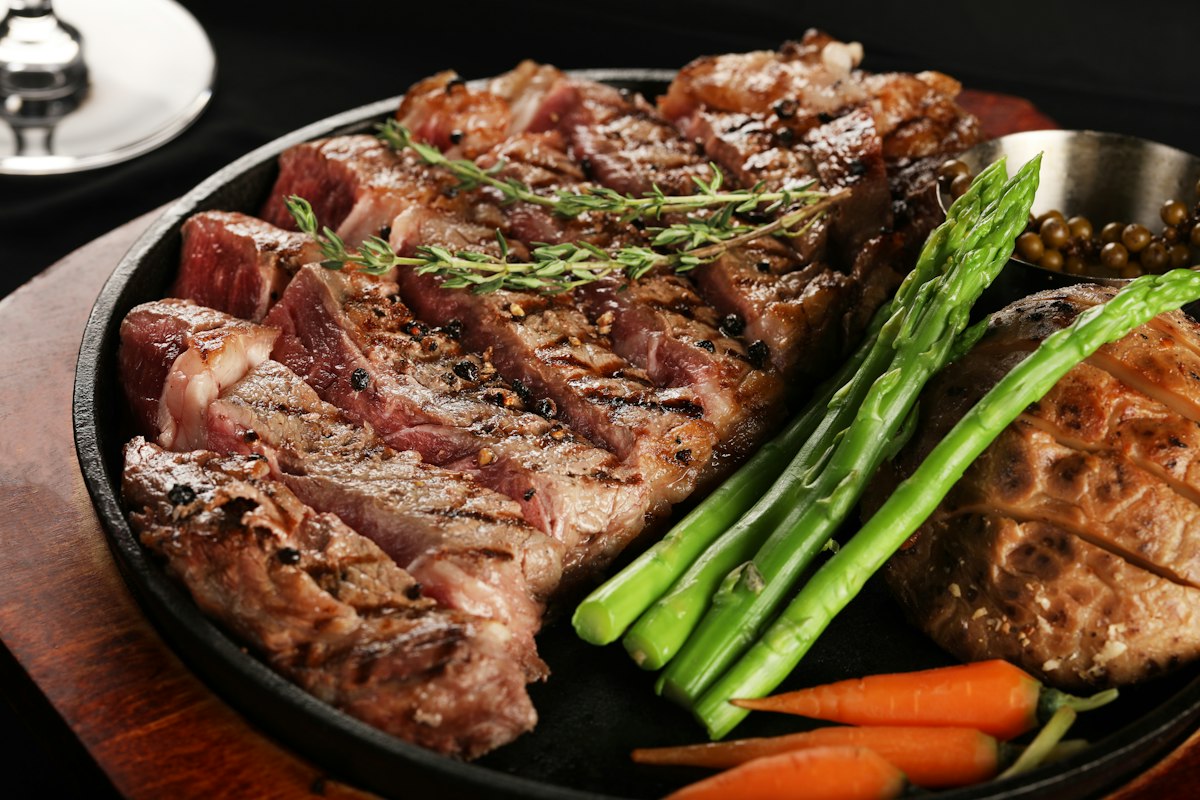
Sirloin is a section of the beef that is located on the back of the animal, behind the ribs and extends up to the hip. It is known for its flavor and tenderness, making it a popular choice for grilling and roasting.
Country stock records are private to assigned managers.
Food-waste calculator
Estimate food you can keep out of the bin by using or sharing it.
Potential food saved1 kg
If you use or share 1 kg of Beef Sirloin instead of discarding it, that is 1 kg kept out of the bin.
This uses only your entered amount. It does not claim measured waste reduction or convert pieces and packs into invented weights.
Overview
Sirloin is a section of the beef that is located on the back of the animal, behind the ribs and extends up to the hip. It is known for its flavor and tenderness, making it a popular choice for grilling and roasting.
Origin & history
ancient uses: Traditionally used for sustenance and agricultural production.
region of origin: North America
country of origin: United States
historical timeline: year: 1536
event: The first cattle were brought to the Americas by Spanish explorers.
cultural significance: Beef is a staple food in many cultures, especially in Western cuisines.
domestication history: Cattle were domesticated over 10,000 years ago.
traditional importance: Considered a symbol of wealth and prosperity in various cultures.
historical trade routes: Cattle were part of early trade routes across Europe and America.
Growing & production
climate: Temperate
rainfall: Moderate rainfall necessary, around 20-30 inches per year.
harvesting: Cattle are harvested based on weight and market demand.
irrigation: Irrigation not typically used for pasture.
temperature: Optimal growth temperatures range from 50°F to 75°F.
growing season: All year round in suitable climates.
harvest period: Harvested throughout the year.
yield per acre: Approximately 1,000 to 4,000 lb of beef per acre depending on the region.
growing regions: North America
South America
Europe
Australia
pest management: Integrated pest management practices are advised.
planting methods: Grass-fed pasture systems and feedlots.
soil requirements: Well-drained soils are preferred.
organic cultivation: Possible with adherence to organic farming regulations.
fertilizer requirements: Organic fertilizers are encouraged.
Nutrition draft
per 100g: fat g: 17
carbs g: 0
fiber g: 0
iron mg: 2.6
sugar g: 0
water g: 60
zinc mg: 5.1
calories: 250
omega3 g: 0.1
omega6 g: 0.5
protein g: 26
sodium mg: 70
calcium mg: 18
folate mcg: 0
magnesium mg: 20
potassium mg: 330
vitamin a iu: 0
vitamin c mg: 0
vitamin k mcg: 0
saturated fat g: 7
per serving: fat g: 17
carbs g: 0
calories: 250
protein g: 26
serving size: 100g
Nutrition notes
Beef sirloin is a rich source of high-quality protein, essential vitamins like B12, iron for blood health, and zinc for immune function. It supports muscle growth and repair, making it beneficial for athletes.
Health notes
major: Excellent source of complete protein, heme iron, zinc and vitamin B12.
Supports muscle maintenance, immune function and cognitive health.
Choose leaner cuts and moderate portions for the best long-term health profile.
evidence: Consensus among USDA, NIH and WHO reviews is that beef sirloin contributes positively to a balanced eating pattern when consumed in appropriate portions.
Storage
freezing: Preferred method for long-term storage.
shelf life: 3 to 5 days refrigerated; 6-12 months frozen.
refrigeration: Optimal at 32°F to 36°F.
best practices: Keep in original packaging
Use within safe storage times
common mistakes: Not sealing properly
Storage at incorrect temperatures
storage methods: Refrigeration
Freezing
spoilage indicators: Off odor
Color change
Preparation
cutting: Cut against the grain for maximum tenderness.
cleaning: Rinse under cold water and pat dry.
buying tips: Look for marbling
Choose bright red color
cooking methods: Grilling
Roasting
Pan-searing
freshness indicators: Bright red color
Firmness to touch
seasonal buying guide: Best purchased fresh in spring and fall.
Practical tips
**Cleaning**
Rinse under cold water and pat dry.
**Cutting**
Cut against the grain for maximum tenderness.
Recipes
name: Grilled Sirloin Steak
tags: steak
grill
easy
tips: Let the meat rest before slicing.
method: Preheat grill
Season steaks
Grill on high for 5 minutes each side
region: Various
country: USA
cuisine: American
servings: 4
cook time: 10 minutes
image url: https://example.com/grilled_sirloin_steak.jpg
nutrition: fat g: 20
calories: 300
protein g: 30
prep time: 15 minutes
video url: https://example.com/cooking_video
chef notes: Perfect with a side salad or grilled veggies.
difficulty: Easy
description: A flavorful grilled steak perfect for summer barbecues.
ingredients: 4 sirloin steaks
Salt
Pepper
Olive oil
youtube url: https://youtube.com/example_video
recipe source: Culinary Institute
suitable diets: Low-carb
Gluten-free
Transportation
packaging: Vacuum-sealed packaging is common.
shelf life: 2-4 days fresh; frozen can last up to 12 months.
export handling: Strict regulations and health certifications required.
shipping methods: Refrigerated trucks, air freight for international.
storage temperature: Should be stored at or below 40°F.
cold chain requirements: Requires refrigeration during transport.
transportation constraints: Availability of refrigerated transport.
Sustainability
climate resilience: Beef production faces significant climate challenges.
land use m2 per kg: 1000
sustainable farming: Practices are encouraged, including grass-fed and rotational grazing.
environmental impact: Meat production has notable environmental effects.
organic certification: Available for certain producers.
regenerative agriculture: Promotes healthier soils and ecosystems.
water footprint l per kg: 15000
carbon footprint kgco2e per kg: 20
More about this food
Sirloin steaks are often used in high-end restaurants.
The top sirloin is generally more tender than the bottom sirloin.
Source references
url: https://usda.gov/beefnutrition
type: report
year: 2022
title: Nutrition of Beef
authors: US Department of Agriculture
publisher: USDA
Kerala & United States locality guides
Regional guides; these links do not establish local product availability.