Imported source research draft. Nutrition, health claims and linked references have not been independently verified.
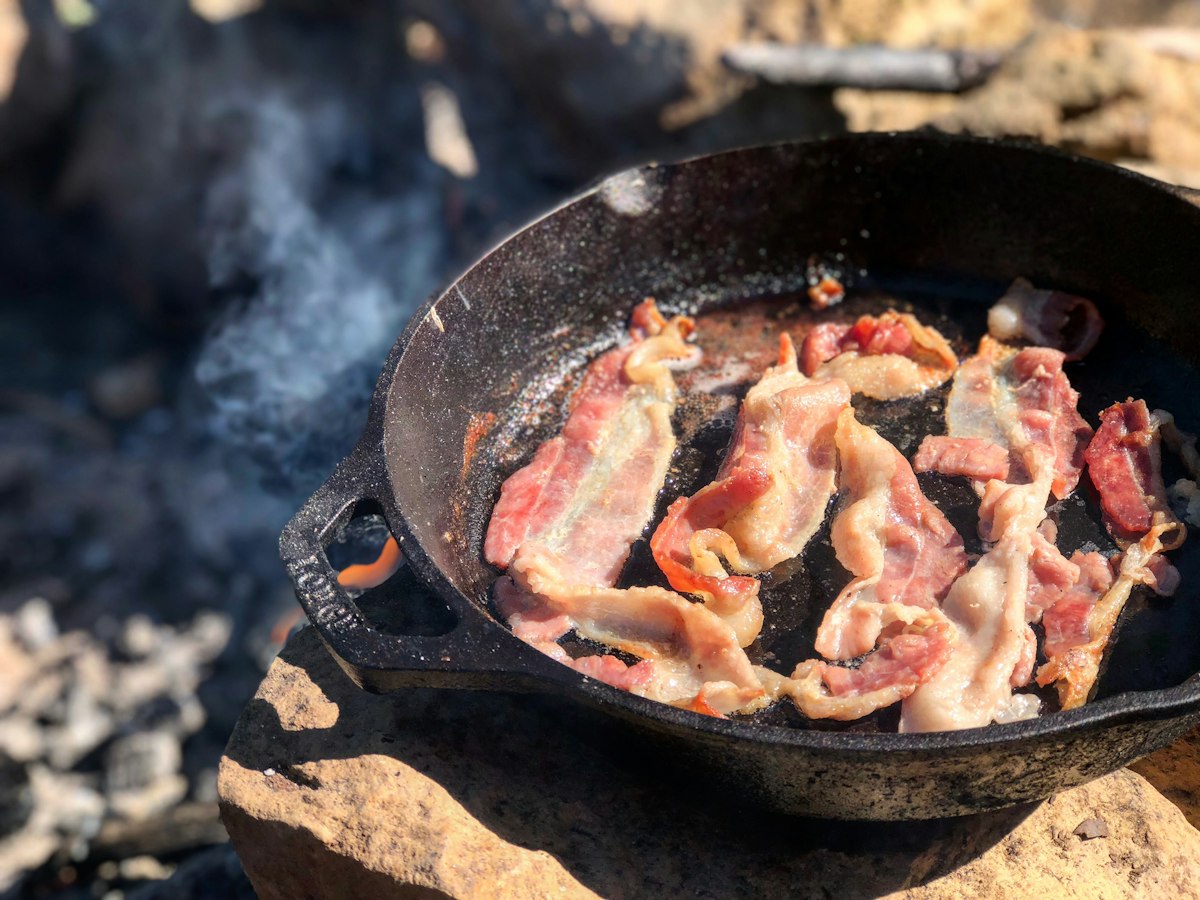
Original source illustration; may show a general food category.
Beef bacon is a non-traditional type of bacon made from beef rather than pork belly. It is typically cured, often smoked, and sliced into thin strips, serving as a flavorful alternative to traditional pork bacon.
Country stock records are private to assigned managers.
Food-waste calculator
Estimate food you can keep out of the bin by using or sharing it.
Potential food saved1 kg
If you use or share 1 kg of Beef Bacon instead of discarding it, that is 1 kg kept out of the bin.
This uses only your entered amount. It does not claim measured waste reduction or convert pieces and packs into invented weights.
Overview
Beef bacon is a non-traditional type of bacon made from beef rather than pork belly. It is typically cured, often smoked, and sliced into thin strips, serving as a flavorful alternative to traditional pork bacon.
Origin & history
ancient uses: Historically, beef was a staple protein source for many cultures, used in various forms.
region of origin: North America
country of origin: United States
historical timeline: year: 5000
event: Domestication of cattle begins.
cultural significance: Beef bacon has gained popularity as a pork alternative in various culinary traditions.
domestication history: Cattle domestication dates back over 10,000 years in various regions of the world.
religious significance: An important alternative for dietary restrictions in certain religious practices.
traditional importance: Served as a key ingredient in breakfasts and other meals.
Growing & production
climate: Temperate and rich agricultural plains.
rainfall: Moderate to high rainfall preferred for pasture growth.
harvesting: Harvesting involves breeding, feeding, and animal husbandry.
temperature: Varies; ideal temperatures generally range from 10-30°C.
growing season: Varies by region; typically spring through fall for grazing.
harvest period: Year-round, depending on the specific beef production cycle.
growing regions: North America
South America
Australia
pest management: Integrated pest management techniques help keep herds healthy.
soil requirements: Fertile, well-drained soils are ideal for cattle grazing.
organic cultivation: Organic beef bacon is produced from cattle raised without synthetic pesticides or fertilizers.
Nutrition draft
per 100g: fat g: 20
carbs g: 0
fiber g: 0
iron mg: 2.5
sugar g: 0
water g: 50
zinc mg: 4
calories: 250
omega3 g: 0.1
omega6 g: 1
protein g: 22
sodium mg: 600
calcium mg: 10
folate mcg: 0
magnesium mg: 20
potassium mg: 250
vitamin a iu: 0
vitamin c mg: 0
vitamin k mcg: 0
saturated fat g: 8
amino acids: lysine: 1.5
leucine: 1.4
per serving: fat g: 20
carbs g: 0
calories: 250
protein g: 22
serving size: 100 g
trace minerals: copper: 0.04
selenium: 16.4
Nutrition notes
Beef bacon is a rich source of protein and provides essential nutrients such as iron and zinc, which are important for energy production and immune function. It also contains healthy fats, contributing to a balanced diet when consumed in moderation.
Health notes
major: Read the label: shorter ingredient lists and recognisable ingredients are usually a good sign.
Watch for added sugars, refined oils and long chemical-name additives in ultra-processed products.
Use the FoodPulse Label Scanner for a quick sanity check on any packaged item.
evidence: Consensus among USDA, NIH and WHO reviews is that beef bacon contributes positively to a balanced eating pattern when consumed in appropriate portions.
Storage
freezing: Freezing is recommended for longer storage; should be packaged correctly to prevent freezer burn.
shelf life: Refrigerated: 2-4 weeks; frozen: 6-12 months.
refrigeration: Store in the coldest part of the refrigerator.
best practices: Keep stored in airtight packaging.
Use within recommended time frames.
common mistakes: Not sealing properly before freezing
Keeping in the door of the fridge where temperature fluctuates.
storage methods: Refrigeration
Freezing
spoilage indicators: Off odor
Discoloration
Slimy texture
Preparation
cutting: Slice to desired thickness for cooking.
washing: Do not wash before cooking, just remove any excess packaging.
cleaning: Rinse off under cold water to remove excess brine.
buying tips: Look for fresh, quality cuts without excessive fat.
Check for proper refrigeration.
cooking methods: Frying
Baking
Grilling
freshness indicators: Bright color
Firm texture
No off smell
seasonal buying guide: Available year-round, but check local markets for best prices during certain seasons.
Practical tips
**Cleaning**
Rinse off under cold water to remove excess brine.
**Washing**
Do not wash before cooking, just remove any excess packaging.
**Cutting**
Slice to desired thickness for cooking.
Recipes
name: Beef Bacon Breakfast Sandwich
tags: breakfast
sandwich
easy
tips: Use fresh eggs for the best taste.
method: Cook beef bacon in a skillet until crispy.
Fry eggs in the bacon grease.
Toast bread, and assemble with cheese and eggs.
region: Midwest
country: United States
cuisine: American
servings: 2
cook time: 15 min
image url: http://example.com/beef_bacon_sandwich.jpg
nutrition: fat: 25
protein: 30
calories: 450
prep time: 10 min
chef notes: Experiment with different cheeses for varied flavor.
difficulty: Easy
description: A hearty breakfast sandwich featuring crispy beef bacon, cheese, and eggs.
ingredients: 2 slices beef bacon
2 eggs
2 slices cheese
2 slices bread
Butter
recipe source: Family Recipe
suitable diets: Keto
Transportation
packaging: Vacuum-sealed packaging is preferred for preservation.
shelf life: Typically lasts 2-4 weeks when refrigerated.
shipping methods: Refrigerated trucks and air freight for long distances.
storage temperature: Refrigerate at or below 4°C (40°F).
cold chain requirements: Strict refrigeration needed to maintain freshness.
transportation constraints: Temperature control is critical; potential regulatory barriers for international shipping.
Sustainability
climate resilience: Resilient practices are required to combat climate change effects.
land use m2 per kg: 20
sustainable farming: Many producers are moving towards sustainable grazing practices.
environmental impact: Beef production has a significant environmental footprint.
organic certification: Available through select producers.
regenerative agriculture: Some farms incorporate regenerative agriculture practices.
water footprint l per kg: 16000
carbon footprint kgco2e per kg: 15
More about this food
Can be made from various cuts of beef including brisket and flank.
Offers a unique flavor that's different from traditional bacon.
Popular among those who avoid pork for dietary or religious reasons.
Source references
url: http://fao.org/beefproduction
type: report
title: Global Beef Production and Its Environmental Impact
authors: FAO
publisher: Food and Agriculture Organization
Kerala & United States locality guides
Regional guides; these links do not establish local product availability.