Imported source research draft. Nutrition, health claims and linked references have not been independently verified.
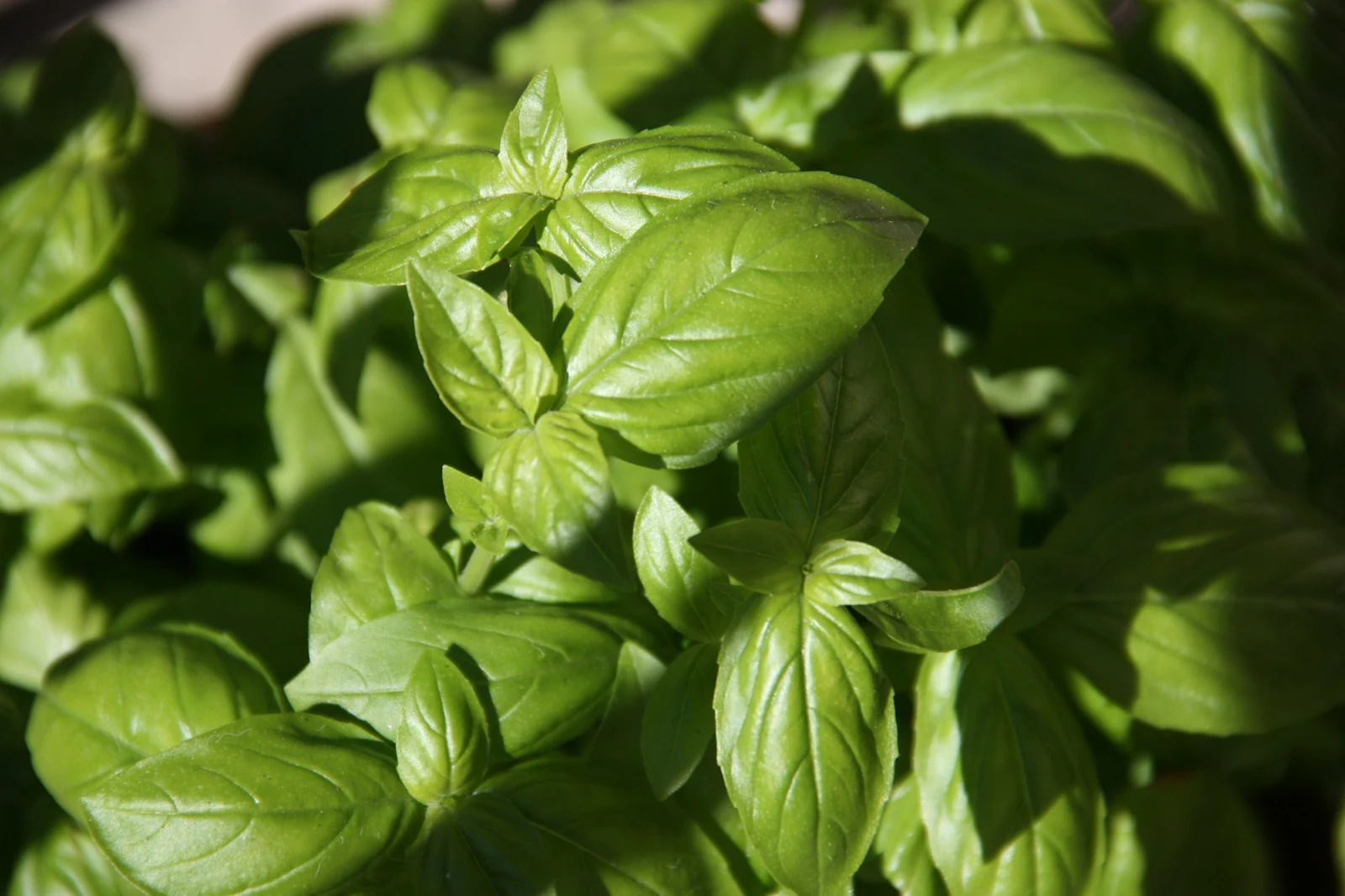
Basil is a culinary herb of the mint family, native to tropical regions of central Africa and Southeast Asia. Its leaves are used fresh or dried in a variety of dishes, notably Italian cuisine.
Country stock records are private to assigned managers.
Food-waste calculator
Estimate food you can keep out of the bin by using or sharing it.
Potential food saved1 kg
If you use or share 1 kg of Basil instead of discarding it, that is 1 kg kept out of the bin.
This uses only your entered amount. It does not claim measured waste reduction or convert pieces and packs into invented weights.
Basil is a culinary herb of the mint family, native to tropical regions of central Africa and Southeast Asia. Its leaves are used fresh or dried in a variety of dishes, notably Italian cuisine.
Origin & history
ancient uses: Used in traditional medicine and religious rituals.
region of origin: Southeast Asia
country of origin: India
historical timeline: year: 2000
event: Basil introduced to European cuisine.
year: 1600
event: Basil mentioned in ancient herbal texts.
cultural significance: Regarded as a sacred plant in Hindu culture.
domestication history: Basil has been cultivated for over 5,000 years.
religious significance: Considered sacred in Hinduism and used in rituals.
traditional importance: In various cultures, basil is believed to bring good luck and is used in cooking and traditional medicine.
historical trade routes: Spread through trade routes from India to the Mediterranean.
Growing & production
climate: Warm, temperate to tropical climate.
diseases: Downy mildew
Bacterial leaf spot
rainfall: Requires about 600-1000 mm of annual rainfall.
harvesting: Leaves harvested before flowering for best flavor.
irrigation: Regular watering required, but avoid waterlogging.
hydroponics: Successfully grown in hydroponic systems.
temperature: Optimal growth at 20-30°C.
growing season: Spring to summer.
harvest period: 60-90 days after planting.
yield per acre: Around 1,500-2,000 lbs.
growing regions: Mediterranean
Southeast Asia
South America
pest management: Use of neem oil and insecticidal soaps.
planting methods: Direct sowing or transplanting seedlings.
vertical farming: Ideal for vertical farming techniques.
soil requirements: Well-drained, fertile soil.
organic cultivation: Commonly grown organically.
greenhouse production: Can be produced in greenhouses to extend seasons.
fertilizer requirements: Moderate fertilizer application needed.
Nutrition draft
per 100g: fat g: 0.64
carbs g: 2.65
fiber g: 1.6
iron mg: 0.64
sugar g: 0.3
water g: 92
zinc mg: 0.81
calories: 23
protein g: 3.15
sodium mg: 4
calcium mg: 18
folate mcg: 68
magnesium mg: 36
potassium mg: 295
vitamin a iu: 2643
vitamin c mg: 18
vitamin k mcg: 622
saturated fat g: 0.18
amino acids: lysine: 0.1
leucine: 0.1
methionine: 0.01
per serving: fat g: 0.06
carbs g: 0.3
calories: 2
protein g: 0.3
serving size: 10 g
antioxidants: Eugenol
Rosmarinic acid
trace minerals: copper: 0.08
manganese: 0.2
Nutrition notes
Basil is rich in nutrients that provide numerous health benefits. It is known for its anti-inflammatory properties and may support heart health and digestive issues. Basil also contains antioxidants which help in cellular repair.
Health notes
major: Culinary herbs deliver antioxidants and polyphenols per gram than many superfoods.
Many carry gentle digestive, anti-inflammatory or antimicrobial benefits.
Fresh herbs help reduce salt intake by boosting flavour naturally.
evidence: Consensus among USDA, NIH and WHO reviews is that basil contributes positively to a balanced eating pattern when consumed in appropriate portions.
Storage
freezing: Can be frozen as pesto or whole leaves.
shelf life: Fresh: 7-14 days, Dried: 6 months.
dry storage: Dried basil can be stored in airtight containers.
refrigeration: Store in the vegetable drawer of the fridge.
best practices: Keep dry and store in a cool place.
common mistakes: Storing in plastic bags without air circulation.
storage methods: Refrigeration
Freezing
Dry storage
spoilage indicators: Wilting
Brown leaves
Preparation
cutting: Use a sharp knife to avoid bruising.
washing: Gently wash without bruising leaves.
cleaning: Rinse under cold water to remove dirt.
buying tips: Choose vibrant green leaves without discoloration.
cooking methods: Chopped fresh
Infused in oils
Dried for seasoning
freshness indicators: Bright green color
Fresh fragrance
seasonal buying guide: Best in summer months.
Practical tips
**Cleaning**
Rinse under cold water to remove dirt.
**Washing**
Gently wash without bruising leaves.
**Cutting**
Use a sharp knife to avoid bruising.
Recipes
name: Pesto Sauce
tags: sauce
Italian
basil
tips: Adjust oil to consistency preference.
method: Combine basil, garlic, and pine nuts in a food processor.
Stream in olive oil while blending until smooth.
Stir in cheese.
region: Lombardy
country: Italy
cuisine: Italian
servings: 4
cook time: 0 minutes
image url: https://example.com/pesto.jpg
nutrition: fat: 14
protein: 2
calories: 140
carbohydrates: 2
prep time: 10 minutes
video url: https://example.com/pesto-video
chef notes: Add lemon juice for added brightness.
difficulty: Easy
description: A traditional Italian sauce made from basil, garlic, pine nuts, and cheese.
ingredients: 2 cups fresh basil
1/2 cup olive oil
1/3 cup pine nuts
2 cloves garlic
Parmesan cheese
youtube url: https://youtu.be/example
recipe source: Italian Cooking
suitable diets: Vegetarian
Transportation
humidity: 85-90% humidity is ideal.
packaging: Typically packed in plastic bags or boxes.
shelf life: Fresh basil lasts about 7-14 days.
shipping methods: Air freight for quick delivery.
storage temperature: 2-5°C.
cold chain requirements: Requires refrigeration during transport.
transportation constraints: Fragile leaves can be damaged easily.
Sustainability
climate resilience: Sensitive to frost and extreme temperatures.
sustainable farming: Promotes biodiversity and healthy soils.
environmental impact: Low compared to many staple crops.
organic certification: Available from certified organic farms.
pollinator importance: Flowers attract beneficial pollinators.
regenerative agriculture: Encouraged to maintain ecosystems.
More about this food
Basil is often associated with Italian dishes such as pesto and Caprese salad.
There are over 60 varieties of basil, each with unique flavors.
Source references
url: https://example.com/research
type: journal
year: 2021
title: Culinary Herbs and Spices
authors: Smith, J.
publisher: Food Science Journal
Kerala & United States locality guides
Regional guides; these links do not establish local product availability.

 Basil (Herb)