Imported source research draft. Nutrition, health claims and linked references have not been independently verified.
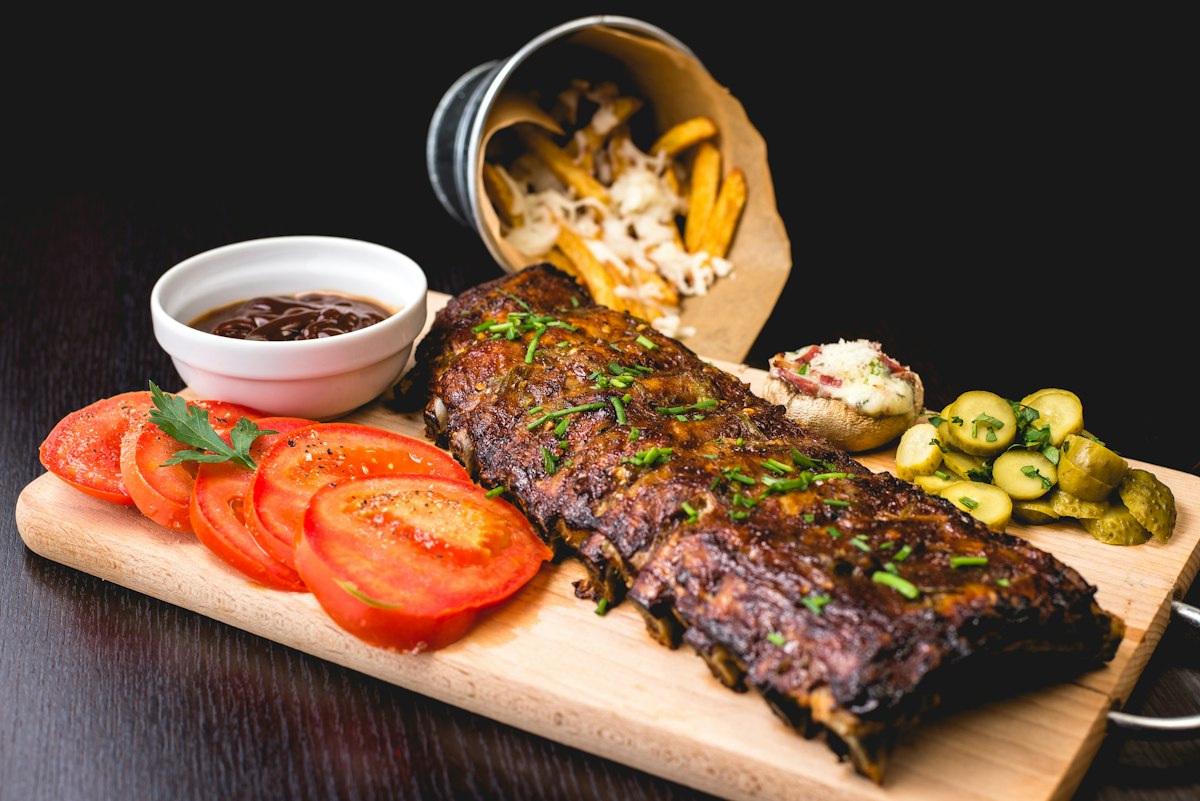
Original source illustration; may show a general food category.
Angus beef comes from the Aberdeen Angus breed of cattle, primarily raised for beef production. It is recognized for its marbling and tenderness, making it sought after in culinary applications. The beef is often graded by quality standards, with USDA Prime and Choice being notable categories.
Country stock records are private to assigned managers.
Food-waste calculator
Estimate food you can keep out of the bin by using or sharing it.
Potential food saved1 kg
If you use or share 1 kg of Angus Beef instead of discarding it, that is 1 kg kept out of the bin.
This uses only your entered amount. It does not claim measured waste reduction or convert pieces and packs into invented weights.
Overview
Angus beef comes from the Aberdeen Angus breed of cattle, primarily raised for beef production. It is recognized for its marbling and tenderness, making it sought after in culinary applications. The beef is often graded by quality standards, with USDA Prime and Choice being notable categories.
Origin & history
ancient uses: Traditionally raised for meat production.
region of origin: Aberdeen
country of origin: Scotland
historical timeline: year: 1800
event: Development of the Angus breed in Scotland.
year: 1878
event: The first Angus cattle were imported to the United States.
cultural significance: Recognized in culinary arts for high-quality beef.
domestication history: Angus cattle were first recognized in the early 19th century.
traditional importance: Widely used in American steak and barbecue culture.
historical trade routes: Notable trade with the United States and Australia.
Growing & production
climate: Temperate to subtropical regions.
diseases: Bovine respiratory disease
Foot-and-mouth disease
rainfall: Moderate rainfall of 25-40 inches annually.
harvesting: Typically harvested at 18-24 months of age.
irrigation: Supplemental irrigation in drought-prone areas.
temperature: Ideal growth from 20°F to 80°F.
growing season: Spring to Fall.
harvest period: Year-round, depending on the production system.
yield per acre: 500-700 lbs of beef per acre per year.
growing regions: North America
Australia
UK
pest management: Integrated pest management practices.
planting methods: Pasture grazing and feedlot systems.
soil requirements: Well-drained fertile soil.
organic cultivation: Available but less common due to higher costs.
fertilizer requirements: Balanced fertilizers to promote grass growth.
Angus beef is a rich source of high-quality protein and essential nutrients. It's beneficial for muscle growth, immune function, and energy production. However, moderation is key due to its saturated fat content. Regular consumption can aid in maintaining overall health if balanced with other dietary components.
Health notes
major: Excellent source of complete protein, heme iron, zinc and vitamin B12.
Supports muscle maintenance, immune function and cognitive health.
Choose leaner cuts and moderate portions for the best long-term health profile.
evidence: Consensus among USDA, NIH and WHO reviews is that angus beef contributes positively to a balanced eating pattern when consumed in appropriate portions.
Storage
freezing: Optimal at -18°C or lower.
shelf life: 3-4 days fresh, up to 12 months frozen.
refrigeration: Store at 0-4°C.
best practices: Keep fully sealed
Minimize temperature fluctuations
common mistakes: Refreezing thawed beef
Storing near strong odors
storage methods: Refrigeration
Freezing
spoilage indicators: Off-odor
Color change
Preparation
cutting: Use a sharp knife for even cuts.
washing: No special washing needed; buy from a trusted source.
cleaning: Rinse under cold water before cooking.
buying tips: Look for marbling and a bright red color.
cooking methods: Grilling
Roasting
Searing
freshness indicators: Firm texture
No off smells
seasonal buying guide: Best purchased in fall and winter months for peak flavor.
Practical tips
**Cleaning**
Rinse under cold water before cooking.
**Washing**
No special washing needed; buy from a trusted source.
**Cutting**
Use a sharp knife for even cuts.
Recipes
name: Classic Angus Beef Burger
tags: beef
burger
grilling
American
tips: Use a meat thermometer for perfect doneness.
method: Form beef into patties
Season with salt and pepper
Grill for 5 minutes per side
Serve on buns with toppings.
region: National
country: United States
cuisine: American
servings: 4
cook time: 10 mins
image url: https://example.com/angus-beef-burger.jpg
nutrition: fat g: 40
carbs g: 30
calories: 500
protein g: 25
prep time: 15 mins
chef notes: Let burgers rest before serving for juiciness.
difficulty: Easy
description: Juicy Angus beef burgers grilled to perfection.
ingredients: 1 lb Angus beef
1 tsp salt
1/2 tsp pepper
4 burger buns
Lettuce
Tomato
recipe source: Chef's Kitchen
suitable diets: Gluten-Free
Transportation
humidity: Controlled humidity levels to prevent spoilage.
packaging: Vacuum sealed or modified atmosphere packaging.
shelf life: 7-14 days refrigerated, up to 12 months frozen.
export handling: Compliant with international health standards.
shipping methods: Refrigerated trucks and air transportation.
storage temperature: Must be kept at or below 4°C.
cold chain requirements: Maintained at 0-4°C.
transportation constraints: Limitations in extreme weather conditions.
Sustainability
climate resilience: Greater focus on drought-resistant grazing methods.
land use m2 per kg: 8
sustainable farming: Encouraging regenerative agriculture practices.
environmental impact: Herd grazing can contribute to land degradation.
organic certification: Available through certified farms.
regenerative agriculture: Practices are being implemented in some farms.
water footprint l per kg: 15000
carbon footprint kgco2e per kg: 20
More about this food
Angus cattle originated in Scotland.
The breed is known for its naturally polled (hornless) trait.
Source references
url: https://www.usda.gov/nutrition/red-meat
type: report
year: 2020
title: Nutrition of Red Meat
authors: USDA Nutrition Center
publisher: USDA
Kerala & United States locality guides
Regional guides; these links do not establish local product availability.