
Table of Contents
Parsley: The Versatile and Nutrient-Packed Herb
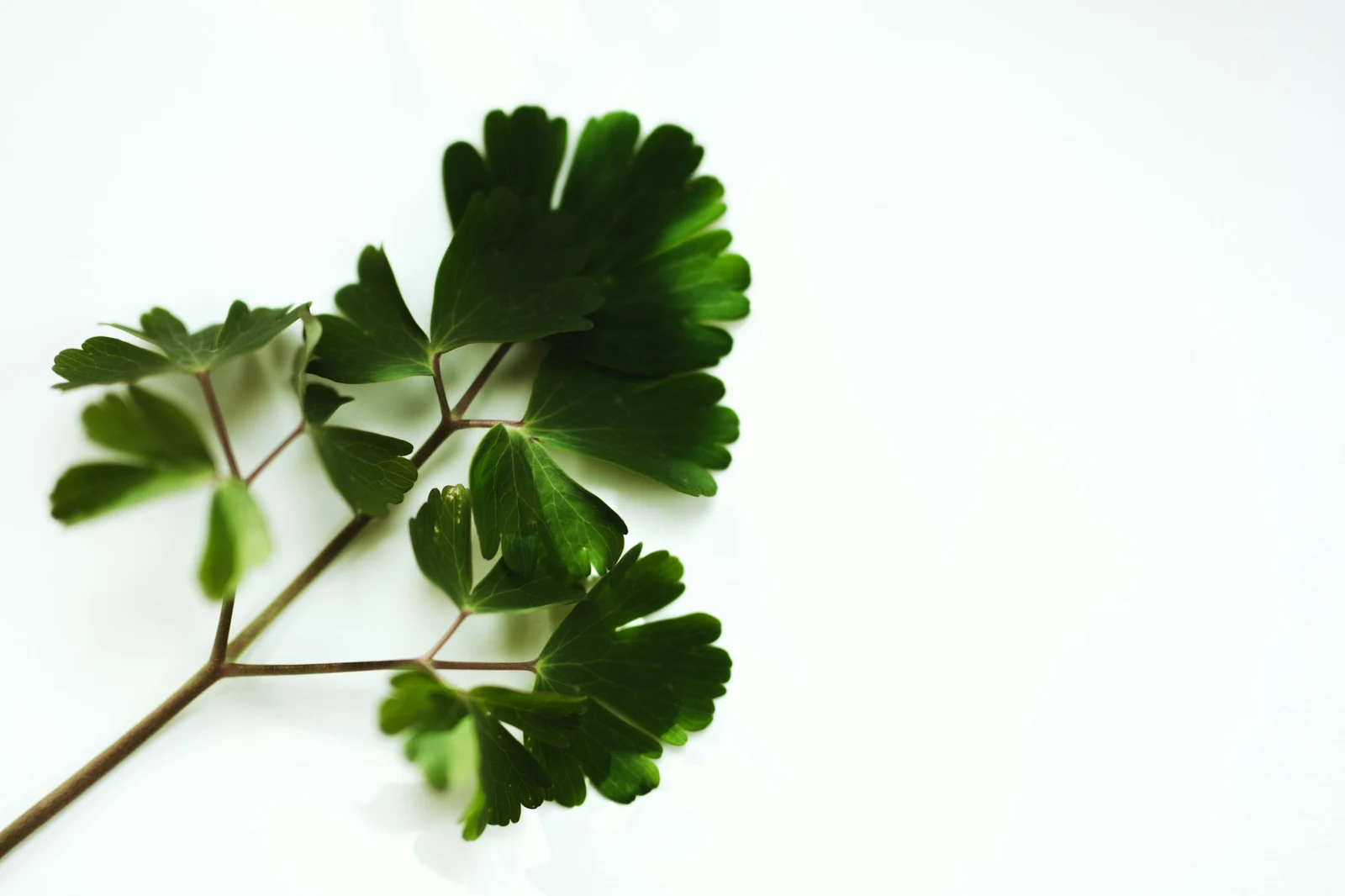
IntroductionParsley (Petroselinum crispum), a bright green herb from the Apiaceae family, is a culinary staple known for its fresh flavor and vibrant appearance. Often used as a garnish, parsley is much more than just a decorative touch—it’s a nutrient-dense herb with a wide range of culinary and medicinal applications. Let us explore parsley’s varieties, texture, uses, nutrition, recipes, cultivation, and global trends.
VarietiesParsley comes in two main varieties, each with distinct characteristics:
- Curly Parsley: Recognizable by its ruffled, bright green leaves; mild flavor, often used as a garnish.
- Flat-Leaf Parsley (Italian Parsley): Flat, dark green leaves with a more robust, slightly peppery flavor; preferred for cooking.
- Root Parsley (Hamburg Parsley): Grown for its edible root, which resembles a parsnip; used in soups and stews.
Texture and Usage
- Texture: Crisp, tender leaves with a slightly fibrous stem.
- Culinary Uses:
- Fresh: Chopped and added to salads, soups, and sauces.
- Cooked: Incorporated into stews, casseroles, and marinades.
- Garnish: Sprinkled over dishes for color and freshness.
- Infusions: Used in teas, broths, and flavored oils.
- Non-Culinary Uses: Traditional medicine, breath freshener, and skincare.
NutritionParsley is a nutrient powerhouse with numerous health benefits:
- Vitamins: Extremely high in vitamin K (bone health) and vitamin C (immunity).
- Antioxidants: Contains flavonoids, carotenoids, and vitamin A, which combat oxidative stress.
- Minerals: Rich in iron, calcium, and potassium.
- Chlorophyll: Supports detoxification and freshens breath.
- Low in Calories: Adds flavor and nutrients without extra calories.
Recipes
- Tabbouleh: A Middle Eastern salad made with bulgur, parsley, mint, tomatoes, and lemon juice.
- Parsley Pesto: Blend parsley, garlic, nuts, Parmesan, and olive oil for a fresh twist on pesto.
- Chimichurri: An Argentine sauce made with parsley, garlic, vinegar, and olive oil, perfect for grilled meats.
- Parsley Potatoes: Toss boiled potatoes with butter and chopped parsley.
- Green Smoothie: Blend parsley with spinach, apple, and cucumber for a nutrient-packed drink.
Global Cultivation and Distribution
- Top Producers: The United States, Germany, France, and Egypt are leading growers.
- Climate: Thrives in temperate climates with well-drained soil and partial sunlight.
- Harvesting: Leaves are picked before flowering for optimal flavor.
- Export: Fresh and dried parsley are traded globally, with Europe and North America being major markets.
Trends
- Health and Wellness: Increasing demand for nutrient-dense herbs boosts parsley’s popularity.
- Plant-Based Diets: A staple in vegan and vegetarian cooking for its flavor and nutrition.
- Sustainability: Easy to grow in home gardens, reducing the need for packaged herbs.
- Innovation: Use in functional foods, beverages, and skincare products.
- Global Cuisine: Adoption in fusion dishes, such as parsley-infused sauces and dips.
ConclusionParsley is a versatile, flavorful, and nutritious herb that enhances both culinary and medicinal practices. From classic garnishes to hearty soups and sauces, its applications are endless. As global demand grows, parsley continues to play a vital role in promoting health, sustainability, and culinary creativity. Whether enjoyed fresh, cooked, or infused, parsley offers a taste of freshness and vitality that enriches our lives. Embrace this humble herb and discover its potential to transform your meals and well-being.